Trending
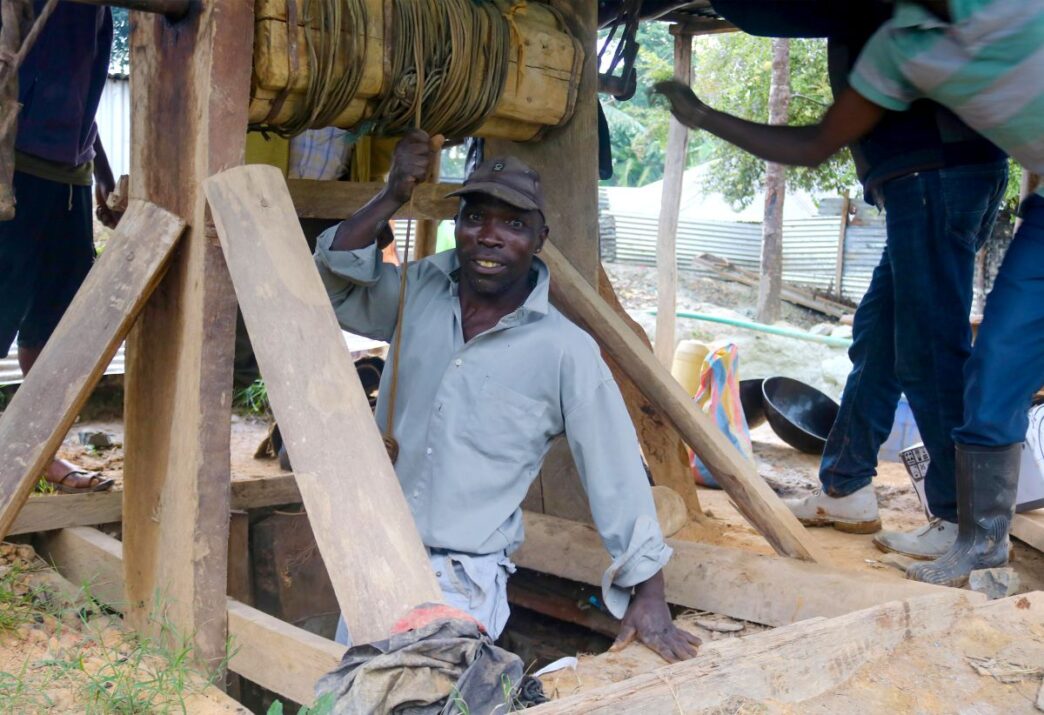
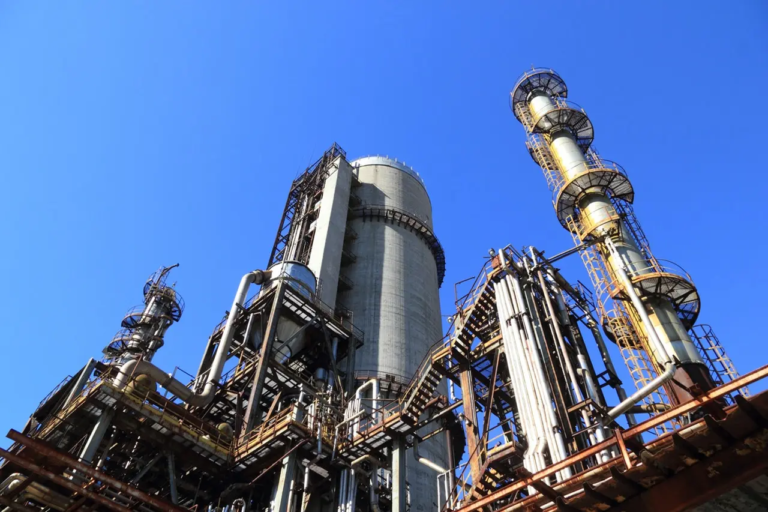
Small-scale miners in the Democratic Republic of Congo are tipped to gain access to a bigger market and better prices for their gold after the country launched its first pilot gold refinery.
The refinery is expected to deliver fairer prices, transparent trading systems and new market opportunities for thousands of artisanal miners, trading posts, and small- and medium-scale mining operators.
The facility, DRC Gold Refinery S.A., inaugurated on March 11, 2026, by senior government officials in Tanganyika province, is a joint project between a government-backed mining firm, DRC Gold Trading S.A. and a private local firm, Lunga Mining.
Read More : Surging Ebola Outbreak Overwhelms Congo
Once operational, it is projected to start processing between 500 and 600 kilograms of gold each month, covering the entire value chain from purchasing gold from miners to refining it and producing gold bars.
“For the first time, the Democratic Republic of Congo is acquiring the capacity to refine its own strategic minerals, while offering fair prices, transparent facilities and unprecedented benefits for thousands of artisanal miners, trading posts and small and medium-sized mines,” said DRC Minister of Mines, Louis Watum Kabamba, during the launch.
Much of the DRC’s gold is currently exported or smuggled out of the country in raw form, limiting earnings for local miners and government revenues. The country’s mining ministry estimates that between 40 and 50 tonnes, valued at US$3 billion, are smuggled out of the country annually.
Officials said the new facility will enable the DRC to export gold refined to 99.9% purity while improving transparency and oversight in the sector.
Kabamba said the initiative aligns with President Félix Tshisekedi’s vision to turn the country’s mineral resources into a driver of economic development and national sovereignty.
Under a February agreement, the Congolese Central Bank will have priority access to gold collected by the trader, allowing the country to begin building national reserves at global market prices.
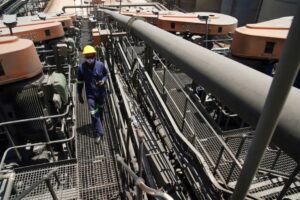
The deal designates DRC Gold Trading as the exclusive supplier of artisanal gold for the country’s foreign exchange reserves, with gold sourced from licensed miners and approved cooperatives under a framework aimed at improving transparency and traceability.
“This collaboration is fully in line with the Head of State’s vision to strengthen national economic and financial sovereignty. Artisanal gold acquired from diggers and approved cooperatives will be sold to the Central Bank of Congo to replenish national reserves of monetary gold -marking the relaunch of a strategic service nearly fifty years after its interruption,” the Congolese Central Bank said in a post on X.
By the close of 2026, the DRC government targets to collect 15 tonnes of artisanal gold valued at US$ 2.6 billion at the current International market price.
This significantly exceeds the 10-tonne volumes officially declared during the past three years since the DRC government entered a joint venture with the United Arab Emirates to create the company. In 2024, the government owned the venture fully to strengthen oversight of artisanal production and reduce illicit exports.
“For thousands of artisanal miners, the new refinery could open up a more transparent market and reduce reliance on informal buyers who often dictate prices,” said Joash Obonyo, a Nairobi based Mining expert.
In early March, DRC Gold Trading told Reuters that it plans to expand its operations into eight additional provinces. The expansion aims to respond to growing international demand. More than 45 foreign buyers have reportedly expressed interest in purchasing Congolese gold.
Across Africa, there’s a push to tighten state oversight of gold resources and capture more value from the booming artisanal mining sector.
Countries such as Mali, Burkina Faso and Ghana are increasingly reforming gold trading systems to curb smuggling and channel more production into official markets.
In Burkina Faso, the expansion of the state-run gold regulator, Société Nationale des Substances Précieuses, has sharply boosted formal artisanal output. A government report released in February shows artisanal gold production surged more than fourfold to reach 42 tonnes in 2025.
Read More : News Central Makes African TV History at UNGA 81
The figures show the country’s total gold output, including industrial mining and government seizures, hit 94 tonnes in 2025, up by more than 30 tonnes from the previous year.
In Ghana, similar reforms led by the Ghana Gold Board (GoldBod) have increased artisanal gold volumes by 60% to 96.4 tonnes. The country’s finance ministry said in February it plans to channel about 127 metric tonnes of gold annually from artisanal and small-scale mining into official trade, in a bid to boost foreign-exchange earnings and reduce smuggling.
Credit: Conrad Onyango, Bird Story Agency