Trending

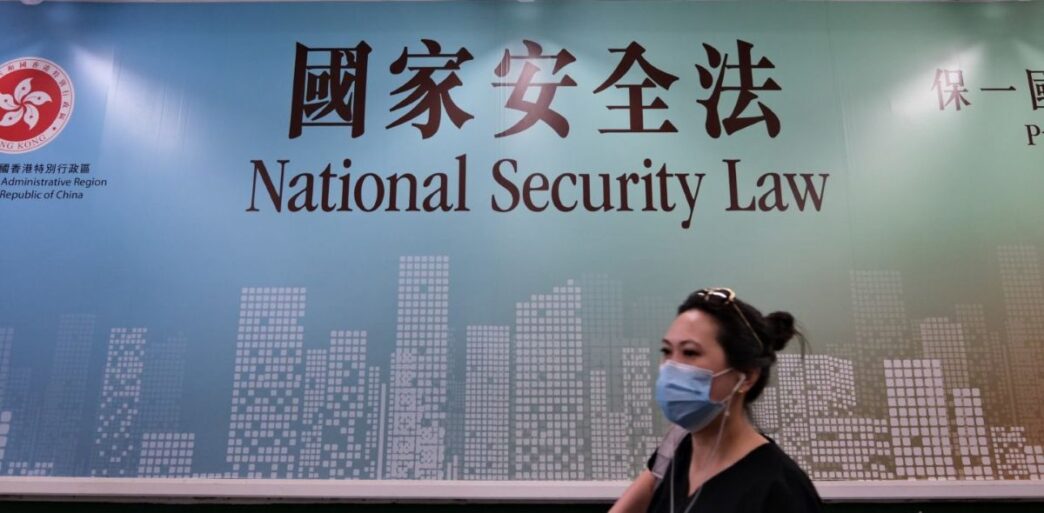
Hong Kong has introduced new measures under its national security framework, requiring individuals to provide access to their electronic devices during investigations or face criminal penalties.
Under the updated rules, which took effect on Monday, anyone who refuses to hand over passwords or decryption methods for phones, computers, or other digital equipment could face up to one year in prison and a fine of HK$100,000 (approximately $12,780). The directive marks a significant shift from previous provisions, where declining to unlock a device was not considered an offence.
The amendment forms part of the broader implementation of Hong Kong’s national security law, imposed by Beijing in 2020 following large-scale and, at times, violent pro-democracy protests across the city. Authorities say the new requirement is aimed at strengthening enforcement capabilities in cases involving threats to national security.
Read More : UNGA: Lavrov Offers Help in Gulf, Slams Europe

The rules extend beyond suspects under investigation. They also apply to individuals who own or possess relevant devices, those authorised to access them, and even anyone with knowledge of the required passwords or decryption tools. This broad scope has raised concerns about how widely the law could be enforced.
The measures were introduced by Chief Executive John Lee in coordination with the National Security Commission. According to a government spokesperson, the regulations are intended to ensure that “activities endangering national security can be effectively prevented, suppressed and punished,” while also maintaining that “the lawful rights and interests of individuals and organisations are adequately protected.”
Hong Kong had already enacted its own additional security legislation in 2024, complementing the Beijing-imposed law. Together, these frameworks continue to reshape the city’s legal and digital landscape, particularly regarding privacy, surveillance, and state authority.