Trending

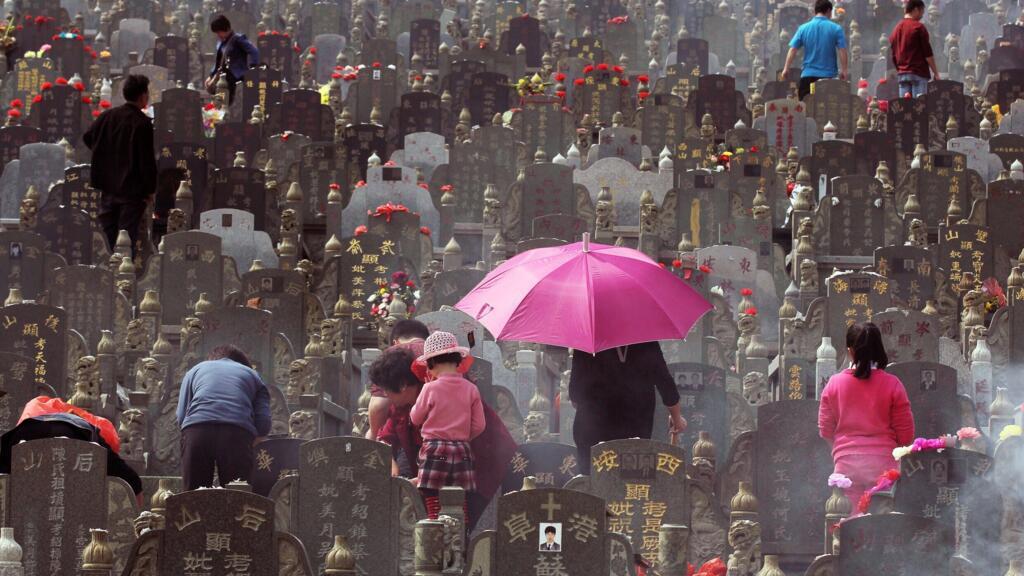
The Chinese government has implemented a strict ban on “bone-ash apartments,” a controversial practice where families purchase inexpensive residential units to store the cremated remains of their loved ones.
According to new regulations that took effect on Monday, the use of residential dwellings specifically for the interment of ashes is now explicitly prohibited.
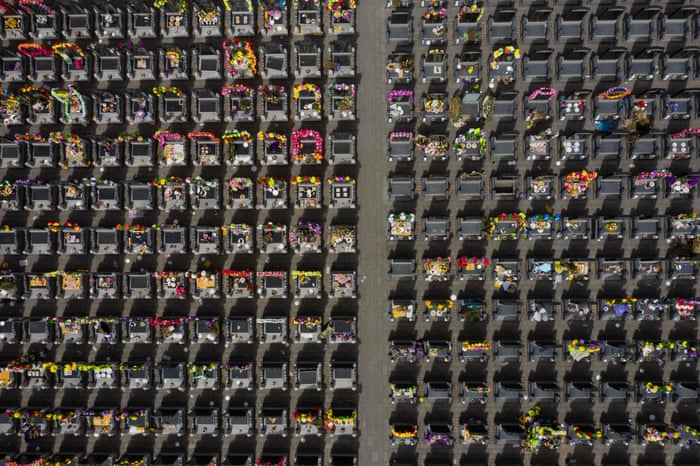
Authorities emphasise that human remains must only be kept in designated areas, such as public cemeteries, as demand for traditional plots continues to rise in the face of an ageing population.
Read More : Trump Blames Immigration For France Protests
The trend of using apartments as private mausoleums gained momentum due to China’s subdued housing market and the high cost of traditional funerals, which can often consume nearly half of a citizen’s annual salary.
These “bone-ash apartments” were frequently located in remote or largely vacant residential complexes, offering a more affordable and permanent alternative to public cemetery plots.
Neighbours often identified these units by their sealed windows or permanently closed curtains, with some reporting the sight of ritual candles and memorial portraits through gaps in the doors.
Read More : Pope Makes First Public Appearance After Surgery
The timing of this ban is significant, as it precedes the Qingming Festival (Tomb Sweeping Day) on April 5, 2026, a period when millions of families traditionally honour their ancestors.
To address the underlying financial pressure on families, the State Administration for Market Regulation also introduced new rules on Tuesday to increase transparency in funeral pricing and combat fraudulent charges.
While the property crisis has made apartments cheaper, the government remains firm that residential spaces must be reserved for living rather than serving as a bypass for funeral industry reforms.