Trending
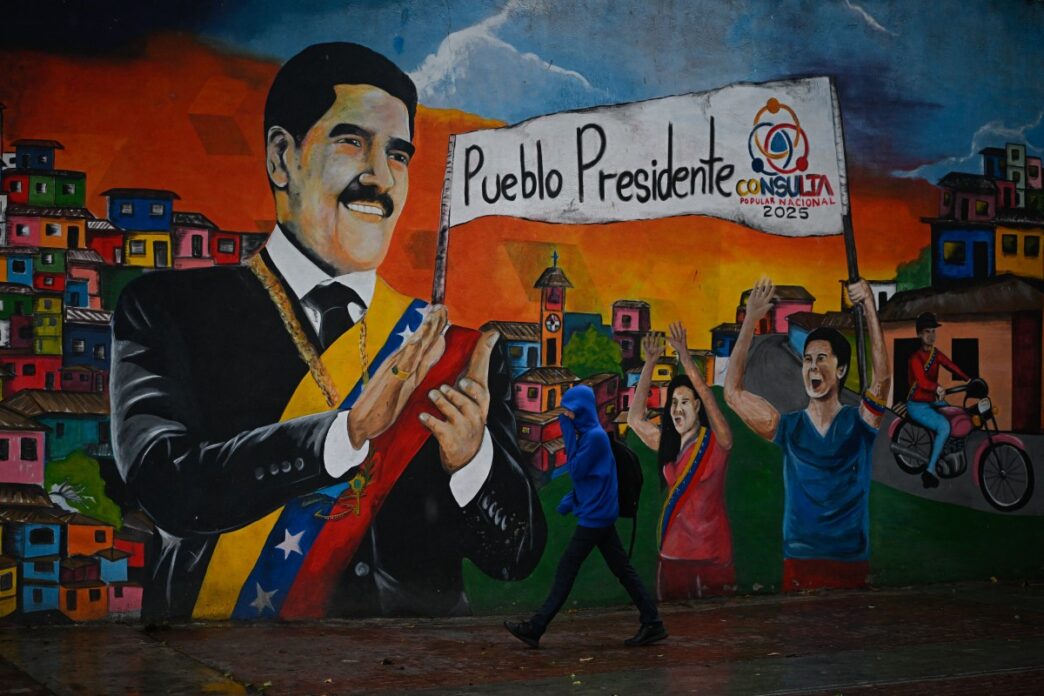
Months after former Venezuelan leader Nicolas Maduro was captured in a dramatic raid by US special forces, Venezuela’s interim government has begun steadily removing his image and influence from public life, signalling a major political shift in the South American nation.
Maduro, once the dominant face of Venezuela’s socialist political movement known as Chavismo, was arrested alongside his wife, Cilia Flores, during a January 3 operation in Caracas before being flown to New York to face drug trafficking charges. His image had long dominated television broadcasts, murals, construction projects and public spaces across the country.
Now, under interim president Delcy Rodriguez, Venezuela appears to be entering what the government calls “the beginning of a new chapter.”
Read More : Africa Targets Cheaper Cross-Border Flights
Rodriguez’s administration, operating under heavy pressure from Washington and facing the threat of further US intervention, has prioritised reforms in the oil, gas and mining sectors that favour American economic interests.
Her government has also released political prisoners and reshuffled Maduro-era officials, dismissing several ministers previously appointed by the former president.
Political science professor Eduardo Valero Castro of the Central University of Venezuela said Maduro’s gradual disappearance from public spaces reflects “a new intentionality in Venezuelan politics” tied to the evolving relationship between Caracas and Washington.
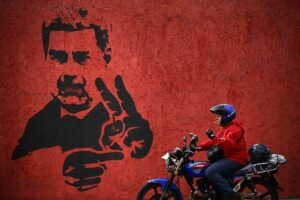
Rodriguez has repeatedly defended herself against accusations of betrayal from loyalists within the Chavismo movement. “Those who, out of pettiness, out of irrationality, say what they say about me, it’s irrelevant compared to what it means to defend Venezuela,” she said during an event in April.
Still, divisions within Chavismo are becoming more visible. Former pro-Maduro lawmaker Mario Silva criticised the interim government’s cooperation with the United States, warning that Venezuela had become “a lowly protectorate of the United States.”
Read More : Why Renewed Tigray War Risks Regional Conflict
Maduro supporters continue calling for his return. During a recent march against US sanctions, 64-year-old Ana Maria Pinto told AFP: “We want people to talk about him more, because that is not happening.”
Others believe Rodriguez is navigating a difficult balancing act. Juan Garcia, a 21-year-old fisherman from Sucre state, said diplomacy remains the only realistic path. “We’re not going to bring him back through force,” he said.
Political analyst Jesus Castillo-Molleda believes Chavismo now sees cooperation with Washington as necessary for survival. He added that if Venezuela’s economy improves under Rodriguez, “Maduro will be forgotten more quickly.”