Trending
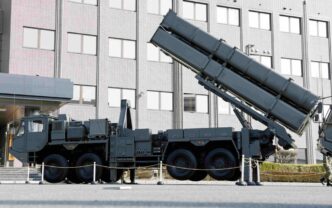
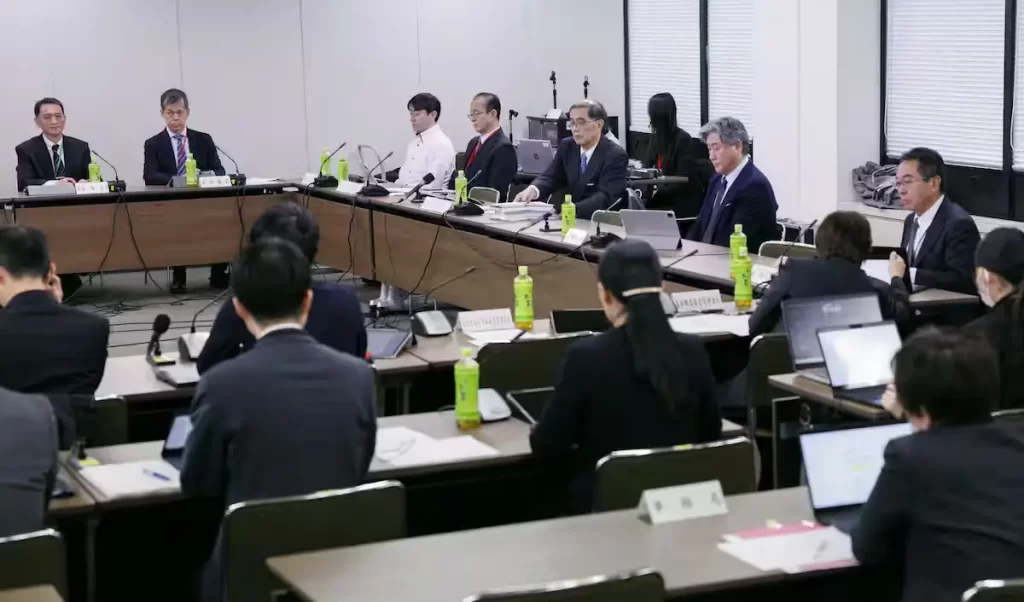
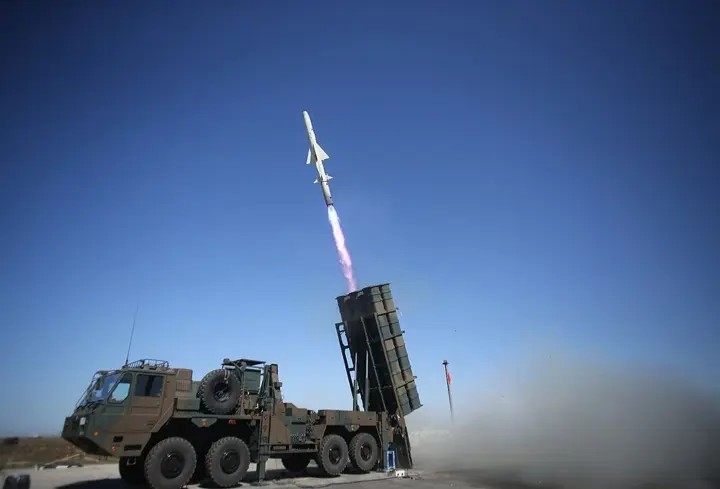
Japan has stationed long-range, surface-to-ship guided missiles in Kumamoto, situated in the southern region of Kyushu, as part of a significant shift in its national defence strategy.
Defence Minister Shinjiro Koizumi announced the deployment on Tuesday, noting that the system possesses a range of approximately 1,000 kilometres.
This range effectively puts parts of the Chinese mainland, including Shanghai, within reach, marking a proactive move to bolster deterrence as maritime tensions in the East China Sea continue to escalate.
Read More : Somalia Rescues Oil Tanker From Pirates
In addition to the Kyushu deployment, the Ministry of Defence has installed “hyper-velocity gliding projectiles” in Shizuoka to protect Japan’s remote islands.
Minister Koizumi emphasised that these standoff defence capabilities are essential for countering potential invasions while ensuring the safety of military personnel.
This modernisation reflects a departure from Japan’s historically strict self-defence posture, driven by the increased military activities of regional neighbours, including China, Russia, and North Korea.
The deployment has been met with both diplomatic friction and local resistance.
Read More : Ukraine University Switches To Remote Classes
Ties between Tokyo and Beijing have reached a recent low, particularly following suggestions by Prime Minister Sanae Takaichi regarding potential military intervention in Taiwan.
Domestically, the arrival of missile launchers in Kumamoto sparked protests after reports surfaced that the equipment was delivered without prior notification to the local community.
Critics express concern that housing such high-profile weaponry could inadvertently turn these residential and coastal areas into primary targets during a conflict.