Trending
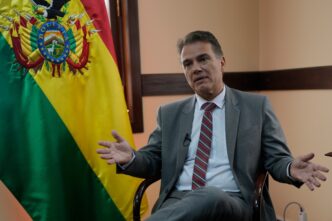
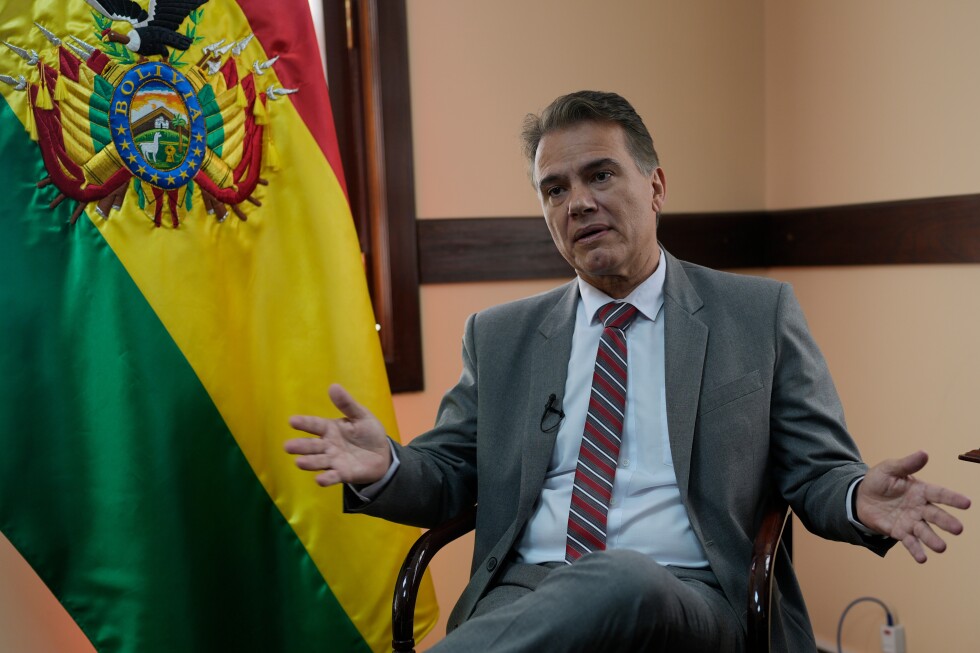
Bolivia and the United States have officially agreed to resume joint investigations into drug trafficking, marking a significant shift in regional security policy.
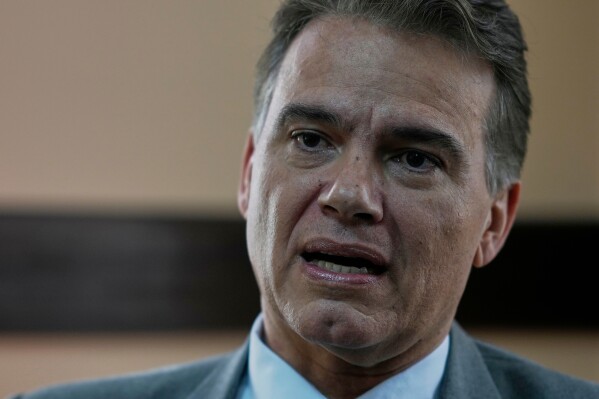
Ernesto Justiniano, Bolivia’s Deputy Minister for Social Defence and the nation’s top anti-drug official, confirmed on Wednesday that collaborative efforts are already underway.
He described the current level of cooperation as highly integrated, noting that joint investigative work is functioning as if U.S. personnel were already fully embedded on the ground.
This reconciliation follows nearly two decades of diplomatic tension initiated in 2008 by former president Evo Morales.
At that time, Morales severed ties with Washington and expelled the Drug Enforcement Administration (DEA), alleging that the agency was involved in a conspiracy to destabilise his socialist government.
The move halted formal intelligence sharing and operational coordination between the two nations for eighteen years, creating a long-standing rift in Andean counter-narcotics efforts.
Read More : US Expels Two Iranian Officials
The restoration of these ties is a cornerstone of President Rodrigo Paz’s foreign policy.
Since taking office last year, the centre-right leader has actively sought to rebuild the relationship with the United States to address the country’s drug production and trafficking challenges.
The Paz administration wants to modernise its anti-drug strategies and use American resources and intelligence to fight international smuggling networks more effectively by bringing back these joint operations.