Trending
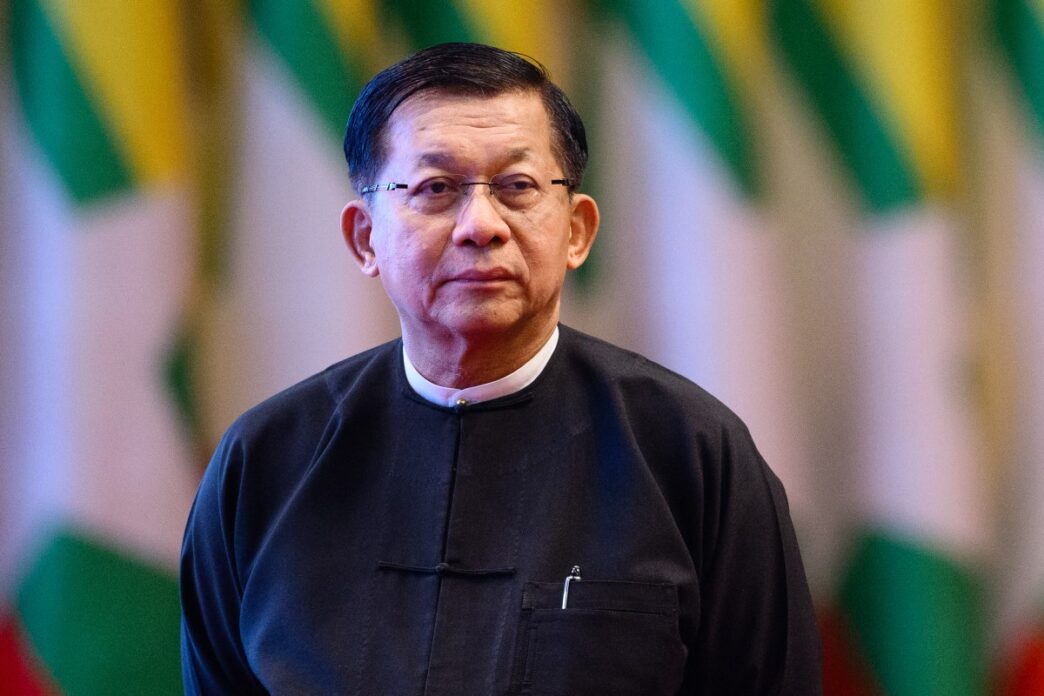
Myanmar’s military leader, Min Aung Hlaing, has been elected president by the country’s parliament, marking a formal transition from direct military rule to what analysts describe as a civilian façade of the same power structure.
According to parliamentary officials, he secured 429 votes out of 584 cast, defeating two other candidates in a three-person race and was proclaimed president by Speaker Aung Lin Dweon on Friday in the capital, Naypyidaw.
The development follows the controversial 2021 military takeover, during which Min Aung Hlaing removed the democratically elected government led by Aung San Suu Kyi, detaining her and dismantling her party. Critics argue that the recent election, dominated by pro-military figures, does little to restore genuine democratic governance.
Read More : Hurricane Isaias hits Florida’s Gulf Coast
The military-backed Union Solidarity and Development Party secured over 80 per cent of contested seats, while the constitution guarantees the armed forces an additional 25 per cent of unelected parliamentary positions. This structure effectively ensures continued military influence over legislative and executive processes.
Although the junta has presented parliament’s reopening as a return to civilian rule, analysts describe it as “window dressing” designed to legitimise ongoing military control. Political opposition remains severely restricted, with dissent criminalised and voting barred in several conflict-affected regions.
The country continues to grapple with a protracted civil war, with opposition groups resisting military authority. Since the coup, tens of thousands of people have been killed, and the humanitarian situation has deteriorated significantly.
As part of the transition, Min Aung Hlaing has stepped down as commander-in-chief, handing over military leadership to a trusted ally.
However, with loyalists firmly embedded across state institutions, the new administration is widely expected to align with the military establishment, reinforcing concerns that substantive political change remains elusive.