Trending
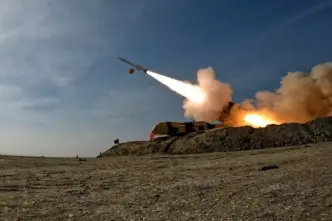
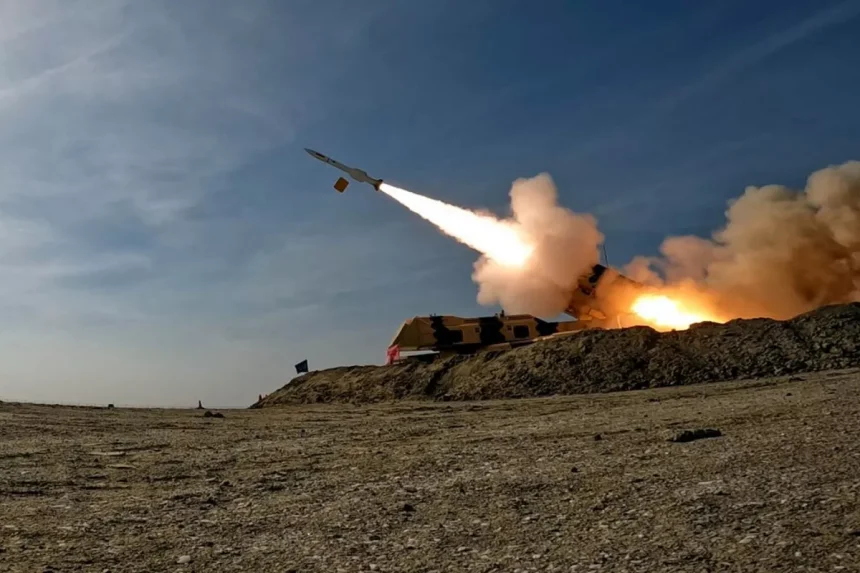
The United Arab Emirates’ Ministry of Defence confirmed on Sunday that its air defence systems were actively intercepting a series of missile and drone attacks launched from Iran.
In a statement released in both English and Arabic, the ministry explained that the loud explosions heard across the country were the result of ongoing engagement operations against unmanned aerial vehicles (UAVs) and projectiles.
تتعامل حالياً الدفاعات الجوية الإماراتية مع اعتداءات صاروخية وطائرات مسيرة قادمة من ايران وتؤكد وزارة الدفاع أن الاصوات المسموعة في مناطق متفرقة من الدولة هي نتيجة تعامل منظومات الدفاعات الجوية الإماراتية للصواريخ الباليستية، والجوالة والطائرات المسيرة.
Read More : UNGA: Lavrov Offers Help in Gulf, Slams Europe
UAE Air Defences system… pic.twitter.com/RTdvMVtCnK
— وزارة الدفاع |MOD UAE (@modgovae) April 5, 2026
This latest escalation follows an announcement from Tehran’s state news agency, IRNA, identifying the UAE’s aluminium industries and U.S. military infrastructure in Kuwait as primary targets.
The Iranian military has justified these strikes by accusing neighbouring Gulf nations of allowing U.S. forces to use their territory for offensive operations.
However, Gulf states have consistently denied these allegations, maintaining that their airspace and facilities are not being utilised for attacks against Iran.
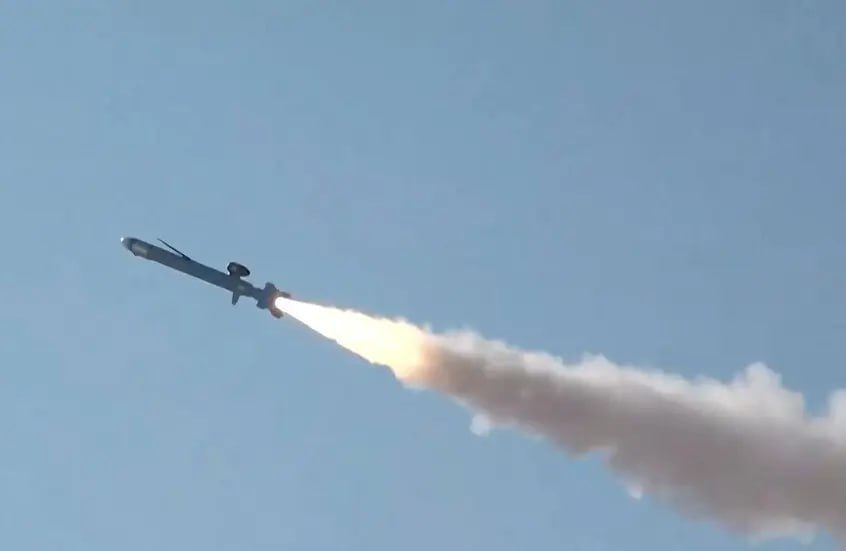
Despite these diplomatic assurances, the region has faced the brunt of retaliatory fire since the broader conflict was ignited by U.S. and Israeli strikes in late February.
Read More : Trump Rejects Iran Proposal To Reopen Hormuz
As a key U.S. ally and one of the few Gulf nations to have normalised relations with Israel, the UAE has remained a frequent target of cross-border strikes throughout the duration of “Operation Epic Fury.”
The persistent aerial threats have forced regional security forces into a state of constant readiness.
While the Ministry of Defence continues to neutralise incoming threats, the targeting of vital industrial sectors like aluminium production signals a shift toward strikes intended to destabilise the Gulf’s economic infrastructure.