Trending
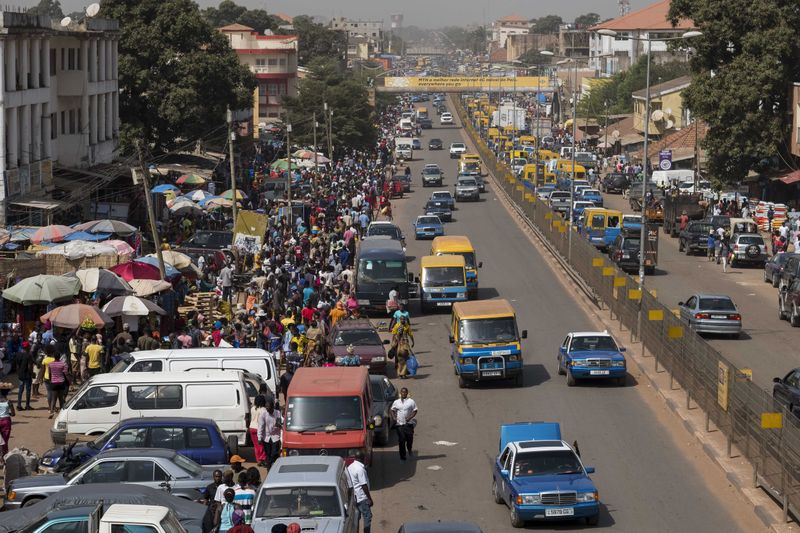
Transport drivers across several regions of Guinea-Bissau, including the capital city, launched a strike on Tuesday.
The industrial action was triggered by the government’s decision to sharply increase fuel prices while simultaneously prohibiting any rise in passenger fares.
The strike paralysed transit in Gabu and Mansoa, leaving many commuters with no choice but to walk long distances as taxis and commercial vans remained off the roads.
The spike in energy costs is a direct result of the ongoing conflict in the Middle East, which has caused global oil prices to soar and sparked inflation concerns across Africa.
In Guinea-Bissau, diesel prices jumped from 700 to 898 CFA francs per litre, while gasoline rose to 899 CFA francs.
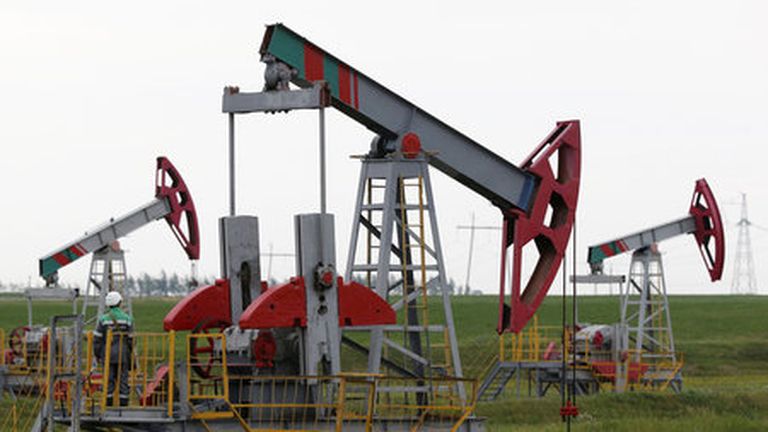
These increases have been compounded by severe fuel shortages at petrol stations over the last two weeks, placing immense financial strain on the nation’s transport sector.
The military-led government, headed by Major-General Horta Inta-a, has remained silent regarding the work stoppage.
While 15-seat vans began the strike on Tuesday, the country’s drivers’ union indicated that taxi drivers in the capital are expected to join the protest on Wednesday.
As the West African nation remains heavily dependent on imported petroleum, the standoff between the administration and the transport unions threatens to further disrupt daily life and the local economy.