Trending

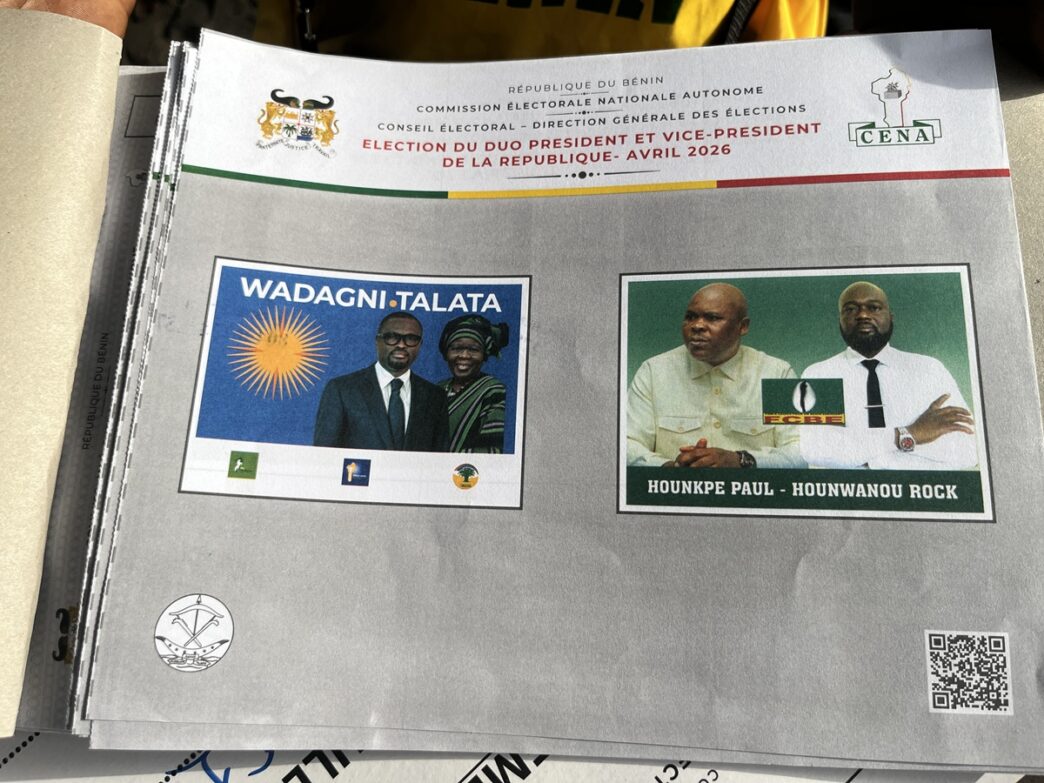
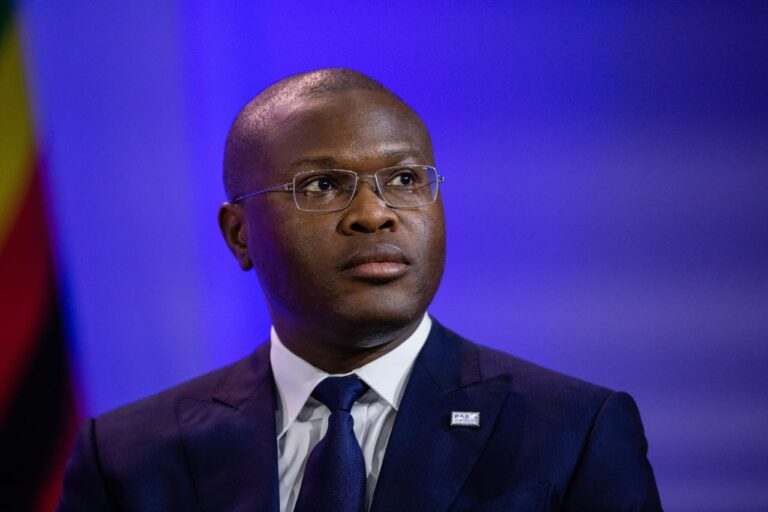
Although five candidates entered the Benin Presidential Election, only two, 49-year-old Romuald Wadagni of the ruling party and 56-year-old Paul Hounkpe, made it to the ballot paper.
Renaud Agbodjo, Prince Anatole Ouinsavi and Élisabeth Agbossaga, the only woman in the race at the beginning, were declared inadmissible by the country’s electoral umpire, the Autonomous National Electoral Commission (CENA), in October 2025.
The main opposition party, the Democrats, failed to field a candidate after its leader could not secure the parliamentary endorsements required to contest, like other candidates who were dropped from the race.
Read More : Benin: Wadagni Forms 24-Member Cabinet
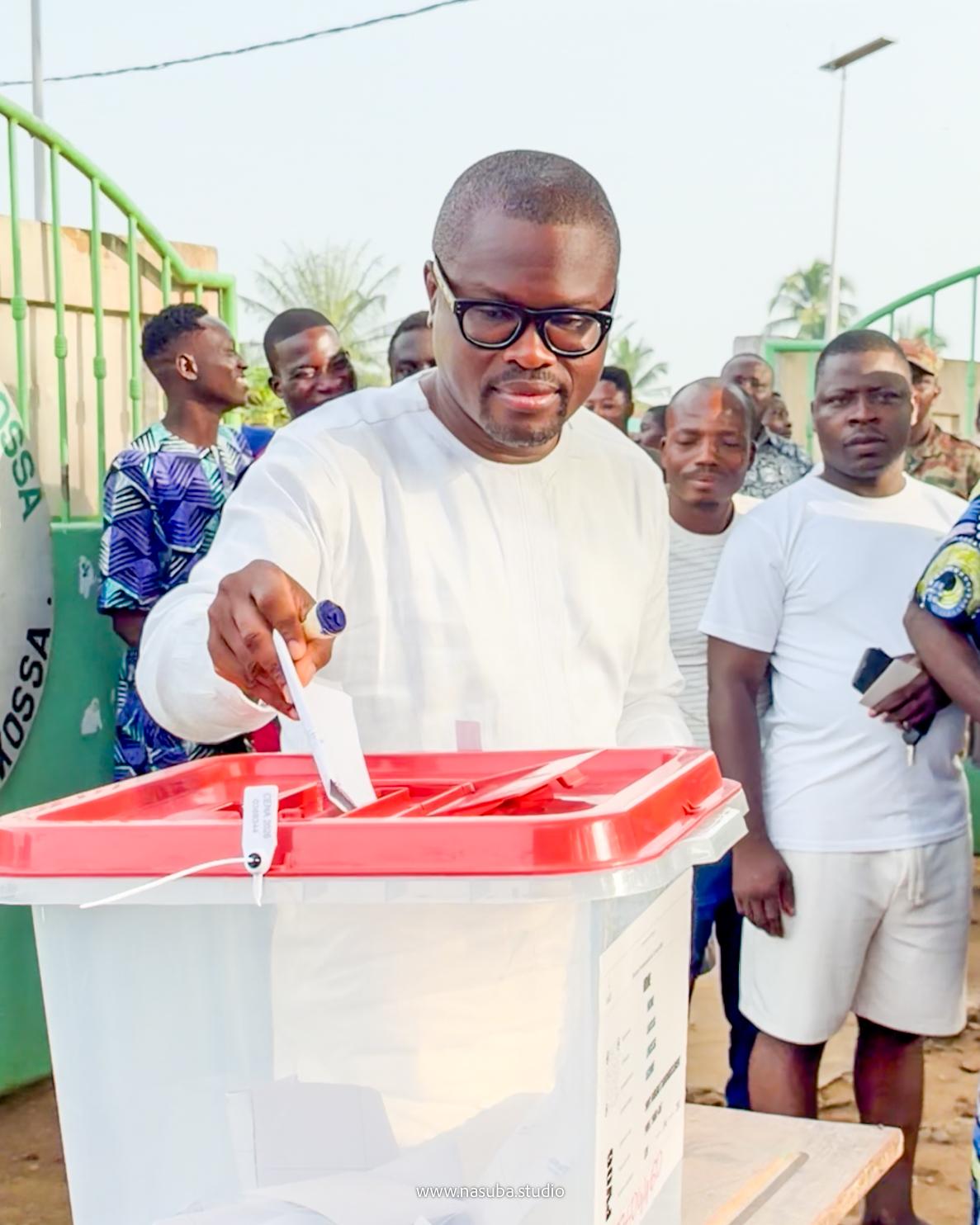
Benin Election’s Sponsorship Rule
The screening, legal requirements, and most especially, sponsorship rules for presidential candidates in the West African country are responsible for the reduction in the number of candidates in the 2026 election. These rules are designed to filter who can officially contest the election.
To be eligible to contest, an aspirant must be a Beninese citizen between the ages of 40 and 70 who must provide a medical certificate issued by a panel of doctors approved under the electoral process to confirm their fitness to hold office.
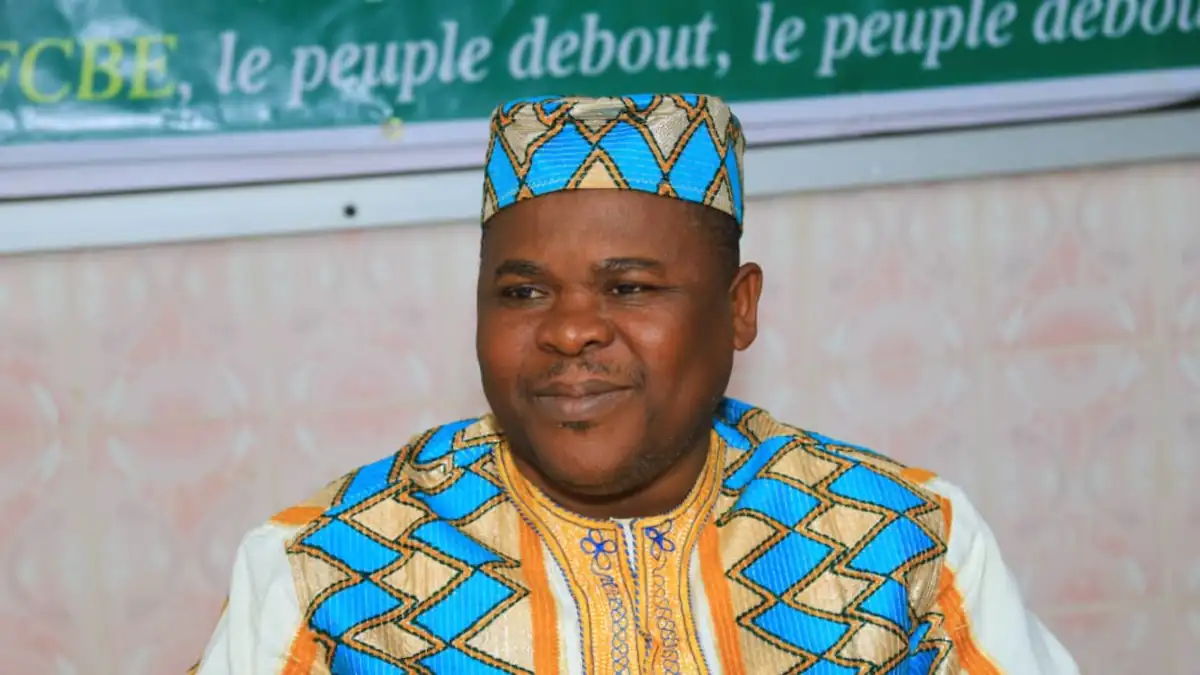
Aside from these baseline constitutional requirements, each presidential ticket must be sponsored by a minimum number of elected officials. Under Benin’s Electoral Code, a presidential candidate (running as a ticket/duo) must be sponsored by elected officials.
Sponsors must be Members of Parliament (MP) and/or mayors. A candidate must obtain signatures from about 15% of all MPs and mayors combined, which equals roughly 28 elected officials in total, based on current numbers.
The sponsorship system was introduced through major electoral reforms in 2019. Then, the requirement was 10% sponsorship from MPs and mayors, which experts said was aimed at reducing the number of candidates and “fragmentation” of politics, but was increased to 15& in 2024.
This condition has raised concerns about competitiveness and inclusivity, because in reality, candidates must already have strong political backing inside institutions before they can meet this requirement.
Independent candidates like Élisabeth Agbossaga, or weakly supported opposition candidates, often fail to qualify. If a candidate does not meet the sponsorship threshold, they are automatically disqualified before the ballot stage.
Although the government said the law was introduced to reduce crowded ballots and prevent frivolous candidacies, critics argue it has contributed to limiting opposition competition and strengthening the ruling party’s dominance.