Trending


Polling officials in Porto-Novo opened voting stations at 7:20 am on Saturday, yet only a trickle of citizens arrived to cast their ballots at the Houinmè Ganto public primary school.
Despite the early arrival of staff and the full setup of polling units, the anticipated crowds failed to materialise throughout the morning.
One unit at the school remained largely quiet, while the second appeared almost completely deserted, raising concerns about the level of civic engagement in the region.
Read More : Benin: Wadagni Forms 24-Member Cabinet
The lacklustre turnout comes at a critical time for the nation as it seeks to maintain its democratic reputation in West Africa.
While officials suggested that participation might increase as the day progressed, the initial “foot traffic” remained unimpressive.

This quiet atmosphere persisted despite a relatively flexible identification system that allows citizens to vote using any valid national ID or passport, rather than a specialised voter card.
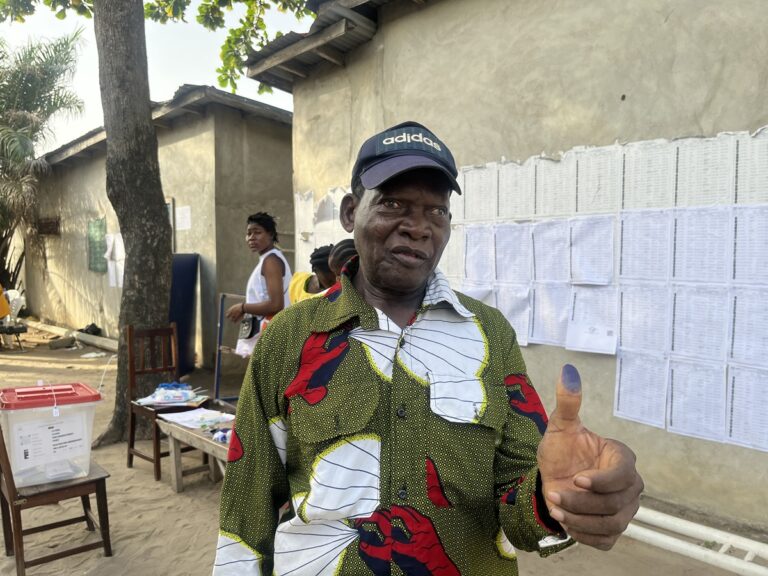
The electoral process itself follows a structured path: voters first verify their names on a public register displayed at the station before receiving a ballot paper featuring candidate photos.
After making their selection in a private booth, they submit their thumb-printed ballots.
However, with the polling stations in Porto-Novo remaining uncharacteristically empty in the early hours, the focus remains on whether the electorate will eventually show up to participate in the democratic process.