Trending
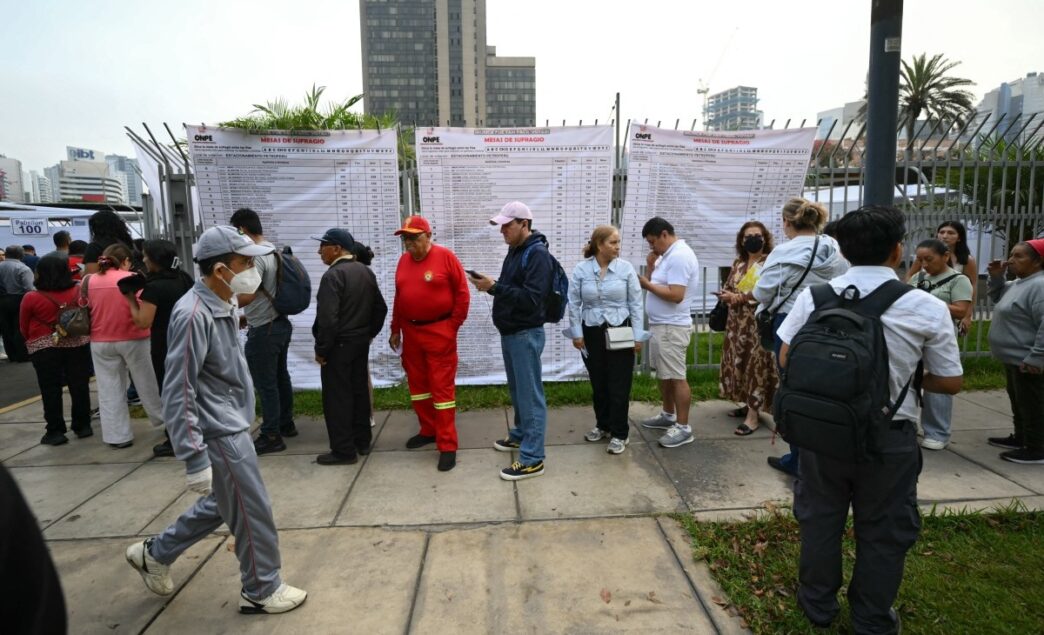
Voting began on Sunday in Peru’s presidential and legislative elections, with millions of citizens heading to the polls to choose a new leader despite deep political uncertainty and rising crime.
Around 27 million Peruvians are required to vote in a crowded race featuring 35 candidates, reflecting widespread political fragmentation in a country that has seen nine presidents in the past decade.
Public frustration remains high following years of corruption scandals, leadership crises and instability that led to the removal, prosecution and jailing of several former presidents.
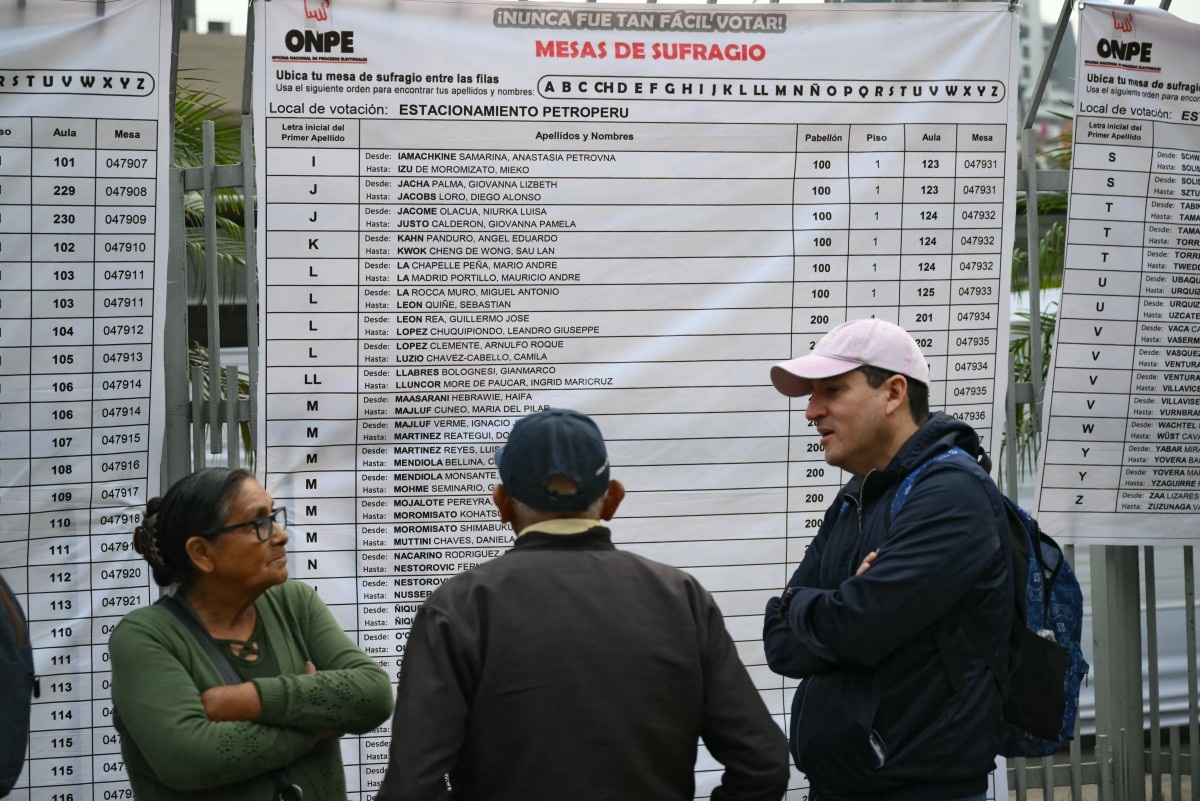
Many voters expressed disillusionment with the political class, citing a lack of trust in candidates and dissatisfaction with governance.
Pre-election polls indicate no clear frontrunner, with no candidate approaching the threshold needed for an outright victory, making a runoff election in June increasingly likely.
Among the leading contenders is Keiko Fujimori, who has pledged to prioritise security and restore order if elected, while seeking alignment with conservative leaders across the region.
Conservative candidates dominate, according to pollsters at Ipsos; there is just one leftist in the top five, former trade and tourism minister Roberto Sanchez.
Official data shows that homicide rates have more than doubled over the past decade, while reported cases of extortion have risen sharply, showcasing the growing security concerns shaping voter priorities.