Trending

On Tuesday, stock markets around the world went up as investors became more hopeful that a diplomatic solution to the Middle East conflict would be found.
Wall Street’s major indices, including the S&P 500 and Nasdaq, surged back to levels seen before the start of hostilities in late February.
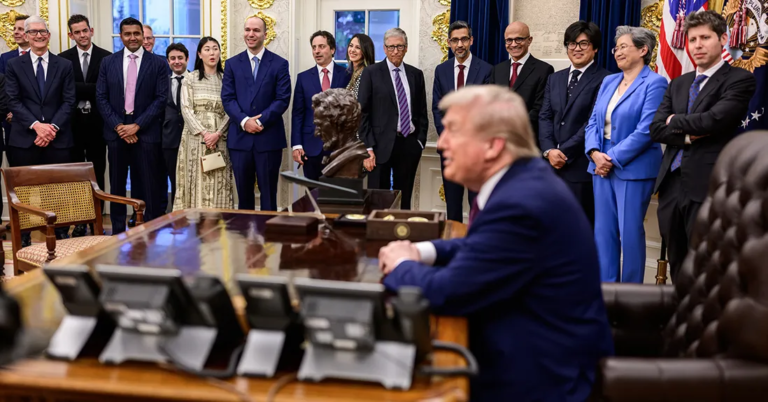
This upswing was mirrored in European and Asian markets, fuelled by President Donald Trump’s suggestion that fresh negotiations with Iran could be imminent.
Read More : White House Hosts AI Leaders on Regulation
Analysts note that investors are increasingly “pricing in” a potential conclusion to the war, leading to a shift toward riskier assets.
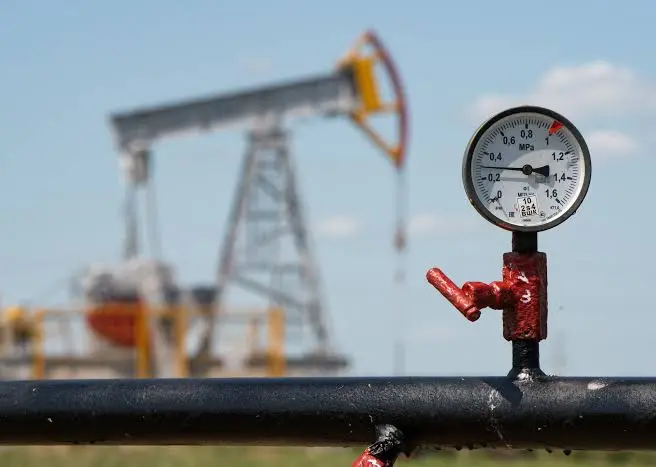
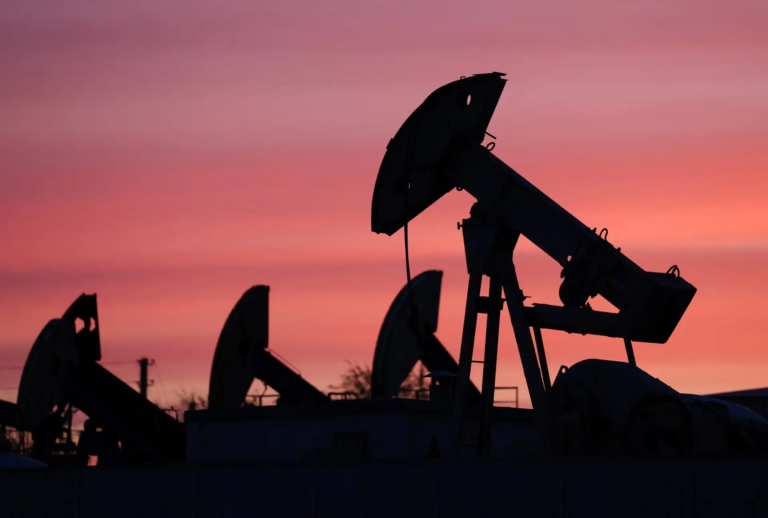
In tandem with the market gains, crude oil prices saw a significant retreat, with West Texas Intermediate (WTI) falling over 5% to drop below $94 per barrel.

The decline was triggered by rumours of renewed diplomatic efforts that could eventually lead to the unblocking of the strategic Strait of Hormuz.
Despite the recent peak of nearly $120 per barrel during the height of the conflict, the International Energy Agency (IEA) warned that high prices have already begun to dampen global demand, predicting a slump in crude use reminiscent of the 2020 pandemic era.
Read More : Egypt to Host Africa Business Summit
As the geopolitical situation fluctuates, the corporate world is also beginning to report the war’s impact on bottom lines.
While French luxury giant LVMH saw a dip in sales due to regional instability, major U.S. banks like JPMorgan Chase and Wells Fargo reported resilient quarterly profits.
However, the overall mood remains cautious; market strategists emphasise that while there is a strong desire for peace, the ongoing naval blockade and the uncertainty surrounding upcoming talks continue to be key factors for the global economy to watch in the coming weeks.