Trending
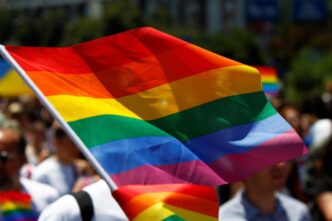
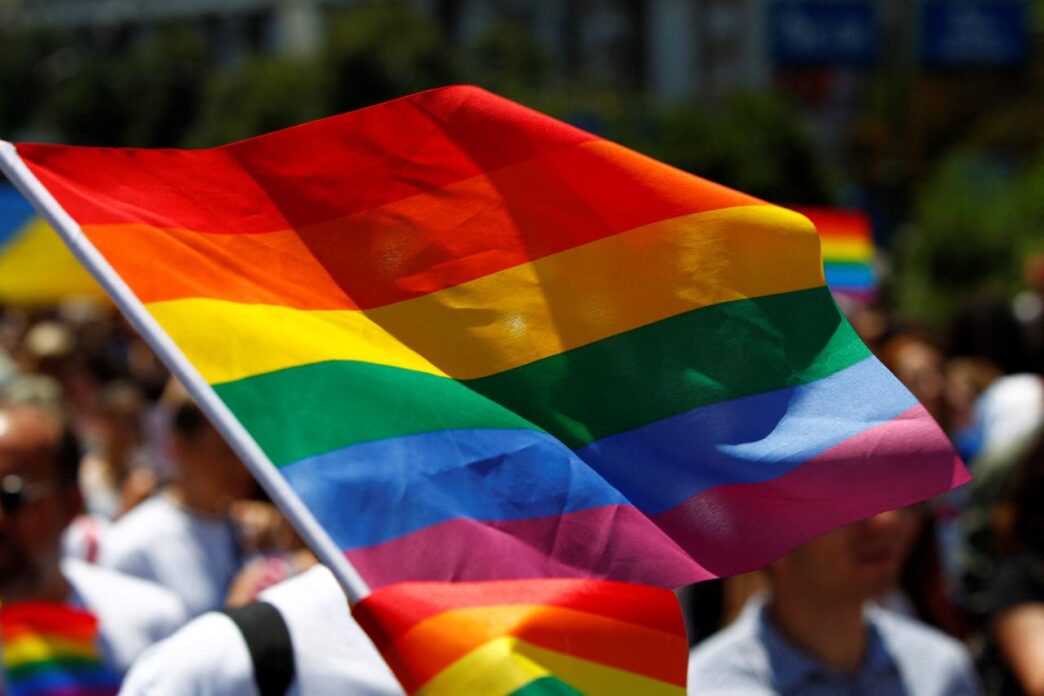
A court in Senegal has handed down the first known conviction under a newly enacted law criminalising same-sex relations, marking a significant moment in the country’s evolving legal and social landscape.
According to a legal source who spoke to AFP, a man has been sentenced to six years in prison following a ruling delivered by a court in Dakar. The court also imposed a fine equivalent to 3,600 US dollars, citing offences described in the statute as “acts against nature” and “indecent acts.” The same source noted that a second individual linked to the case remains at large and is currently considered a fugitive.
The conviction comes shortly after Senegal introduced the legislation, which took effect at the end of March. The law was passed by parliament and signed by President Bassirou Diomaye Faye, reinforcing existing legal and cultural positions on same-sex relationships. Under the statute, individuals found guilty can face prison terms ranging from five to ten years, alongside fines that may reach up to 18,000 US dollars.
Read More : Senegal Postpones New School Year Over Flooding

Since its implementation, enforcement has been swift. Authorities have reportedly arrested at least 63 individuals through a specialised police unit tasked with applying the law. This development reflects a broader societal stance in Senegal, where same-sex relations are widely viewed as incompatible with prevailing cultural and religious norms in the Muslim-majority nation.
However, the law has drawn sharp criticism internationally. The United Nations High Commissioner for Human Rights, Volker Turk, has condemned the legislation, describing it as “flying in the face” of fundamental human rights principles.
Senegal’s move aligns with a wider pattern across the continent. At least 32 of Africa’s 54 countries maintain laws that prohibit and penalise same-sex relationships, highlighting an ongoing divide between international human rights advocacy and domestic legal frameworks in several African states.