Trending


Former Anambra governor, Peter Obi, has warned that Nigeria is sinking further into debt and becoming increasingly divided under the current administration.
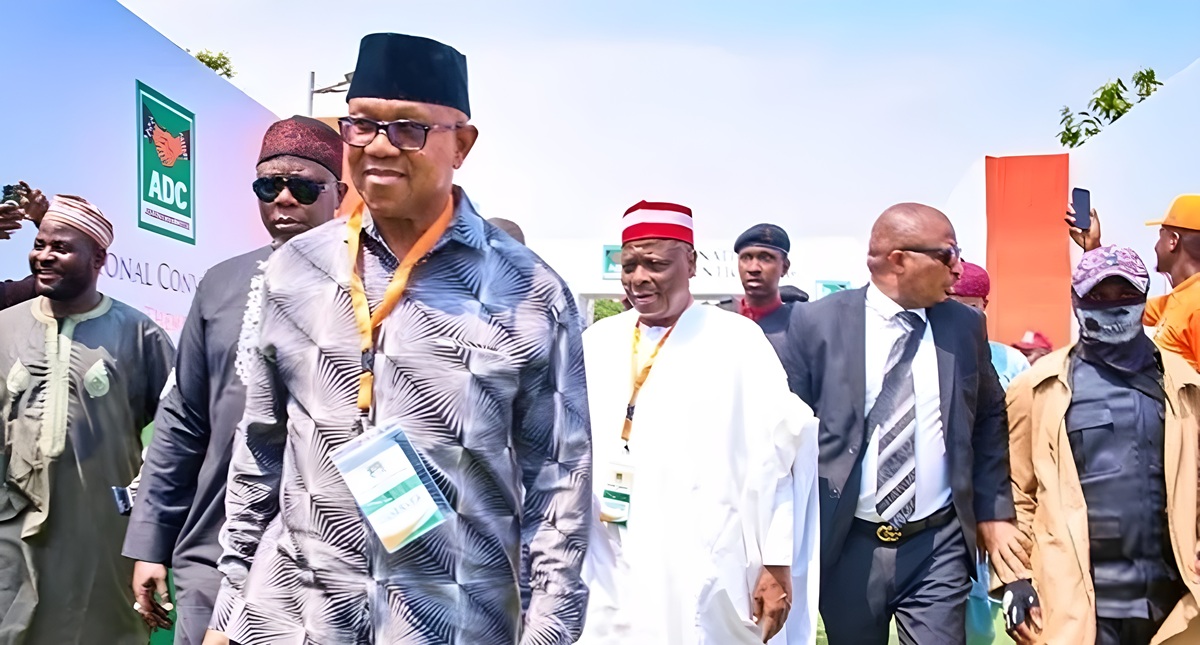
Speaking in Abuja on Tuesday at the African Democratic Congress (ADC) convention, Obi criticised the government’s fiscal direction, arguing that despite the removal of fuel subsidy, borrowing has surged significantly.
He said the previous administration left debt at about ₦87 trillion, but it has now climbed to nearly ₦200 trillion, describing the increase as excessive given the policy changes.
“When this government came into being, we removed the subsidy on petroleum, and the reason why we removed it is so we can start borrowing to service it and use the resources to develop the country,” he said.
“But today, despite the fact that the government before them was able to pay a subsidy, they left with a debt of N87 trillion. Today, we are about N200 trillion.
“So, the current administration has borrowed 130 percent despite removing subsidy.”
He also alleged that key development projects are stalled, with contractors unpaid and budgeted capital projects yet to be implemented, warning that the country is heading toward a financial crisis.
On national cohesion, Obi expressed concern over growing divisions, stressing that unity is critical to stability. He argued that current governance has worsened fragmentation and cautioned that failure to address it could have serious consequences.
“The country is so divided; we need unity. The present government has ensured that it will remain more divided. Our unity is important. Your country is collapsing, and if you allow it to go further, it will be worse,” he said.
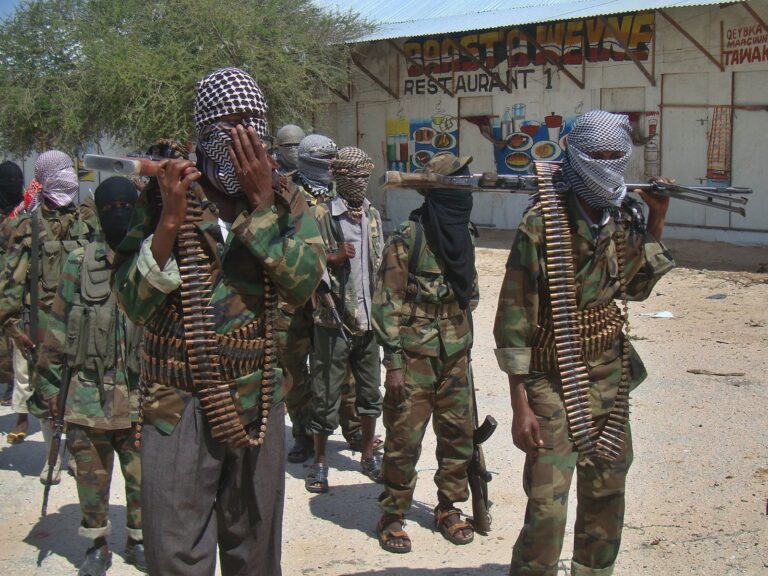
Citing insecurity trends, Obi said Nigeria’s global terrorism ranking has deteriorated, while poverty levels have also risen sharply, referencing data he said showed a significant increase in the number of Nigerians living in poverty.
“Our leaders have spoken very well that all we need to do now is to come and say we adopt what they’ve spoken, but at times when you hear that things are bad, you need to imagine it when it is in figures,” he said.
“If you check your indexes, today, when the present government came into being, Nigeria’s ranking in terrorism was number eight.
Read More : Zamfara Police Arrest Youth Over Video Threat
“Today we are number four. So, if you give another four years, we’ll be number one. And that is definite.
“When this government came into being, if you go and check World Bank records, our poverty rate was 41.6 percent and eight million people. Today we are 63 percent, 140 million. So, they’ve almost doubled that,” he said.
He urged citizens to pay closer attention to data when assessing the country’s condition and called for urgent collective action, warning that continued decline could have lasting repercussions for future generations.