Trending
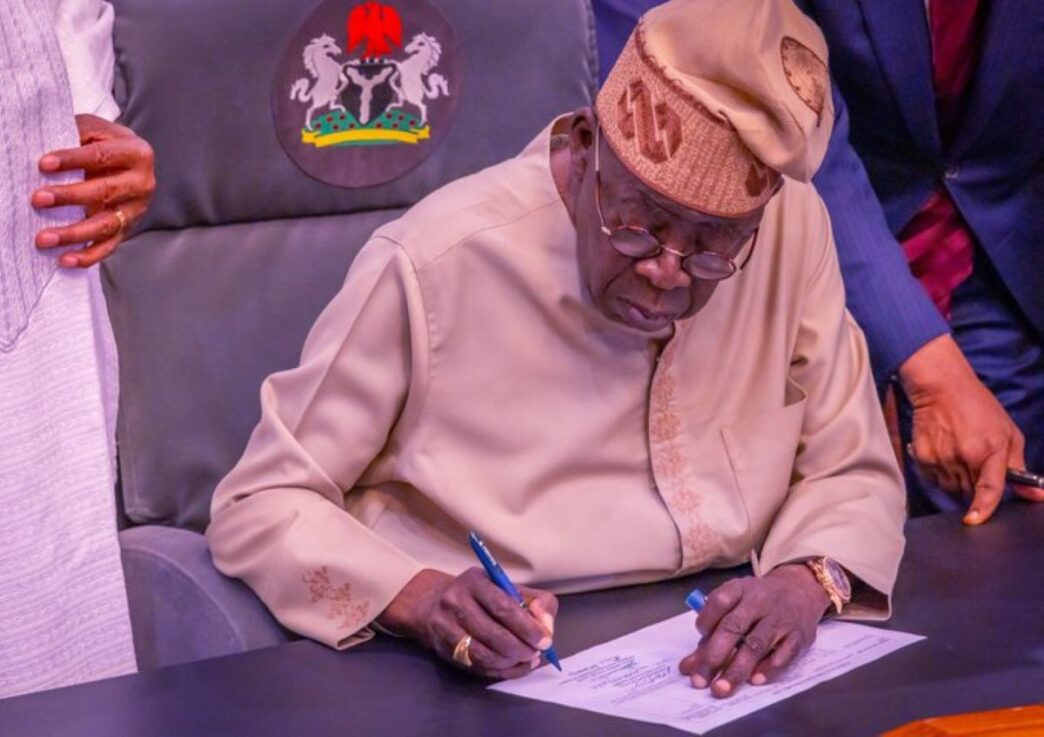
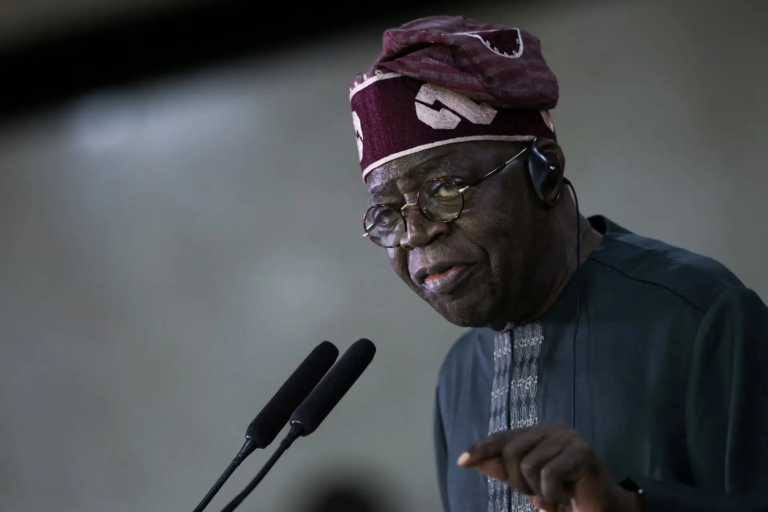
President Bola Ahmed Tinubu on Friday signed into law the 2026 Appropriation Bill, which sets the country’s total expenditure at ₦68.32 trillion.
This comprehensive budget aims to balance key national priorities, including economic stability, infrastructure development, and national security. Among its key allocations, ₦4.799 trillion is set aside for statutory transfers, while ₦15.8 trillion will be allocated to servicing Nigeria’s national debt. A substantial ₦15.4 trillion is earmarked for recurrent expenditure, with the largest portion, ₦32.2 trillion, allocated to the Development Fund for Capital Expenditure.
The emphasis on capital expenditure, which represents approximately 50% of the overall budget, underscores the government’s commitment to fostering inclusive growth.
According to a statement released by Bayo Onanuga, the president’s Special Adviser on Information and Strategy, this strategic allocation aims to improve the living standards of Nigerians while simultaneously addressing infrastructure gaps that hinder economic progress.
The budget also includes allocations to enhance productivity and facilitate job creation, which are crucial to the nation’s long-term prosperity.

In a related move, President Tinubu approved an extension to the implementation period for the 2025 budget. The extension shifts the capital expenditure deadline from March 31, 2026, to June 30, 2026, allowing Ministries, Departments, and Agencies (MDAs) to complete vital infrastructure projects that are already underway. This extension aims to ensure that appropriated funds are fully utilised, enhancing project completion rates and maximising value for taxpayers.
With the 2026 Appropriation Act now in force as of April 1, the Nigerian government will begin its full implementation under the Renewed Hope Agenda.
The President called for disciplined, transparent, and efficient use of resources while reaffirming his commitment to fiscal reforms, improved revenue generation, and investment prioritisation.
Tinubu also commended the National Assembly for swiftly passing the budget, highlighting the importance of continued collaboration between the Executive and Legislative arms to ensure the country’s development goals are achieved.