Trending
Kenya has approached the World Bank for urgent financial assistance to mitigate the economic fallout from the ongoing conflict in the Middle East.
Central Bank Governor Kamau Thugge confirmed the request during the IMF and World Bank spring meetings, noting that the nation is seeking “significant” funding to manage a surge in energy costs.
As an economy heavily dependent on fuel imports, Kenya is moving quickly to prevent shortages of essential goods like petrol and to curb rising inflation.
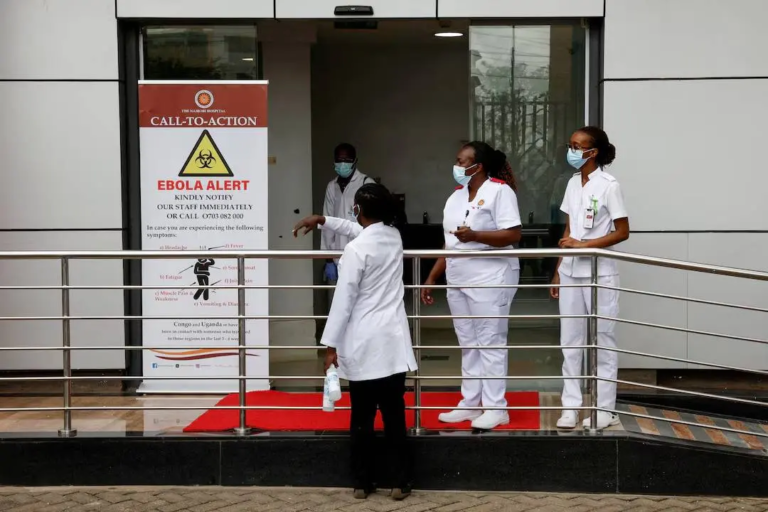
Read More : Kenya Confirms Second Ebola Death
The move has been viewed positively by market analysts, who suggest the aid will bolster investor confidence and stabilise the Kenyan shilling against external pressures.
Following the announcement, Kenya’s dollar bonds saw a notable rise, outperforming other African issuers.

This emergency support, categorised under the World Bank’s “Rapid Response” framework, is intended to provide fast-disbursing funds to help the country navigate the sudden price shocks in the global oil market.
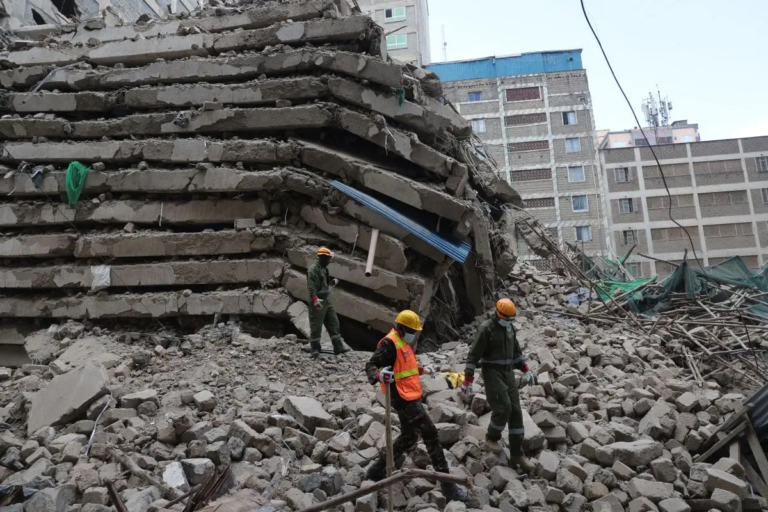
Read More : Multi-Storey Building Collapses in Nairobi
In a parallel effort to protect citizens from soaring costs, President William Ruto recently signed legislation to temporarily reduce the value-added tax on petroleum products.
Meanwhile, the Central Bank is exploring a plan to diversify its national reserves by purchasing gold, mirroring models used successfully in other emerging markets.
While interest rate hikes remain a possibility to control inflation, policymakers have currently paused adjustments to further evaluate the long-term impact of the crisis on the domestic economy.