Trending
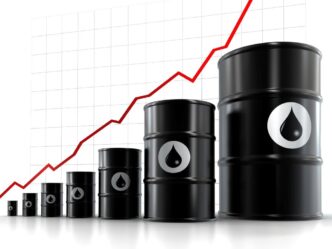
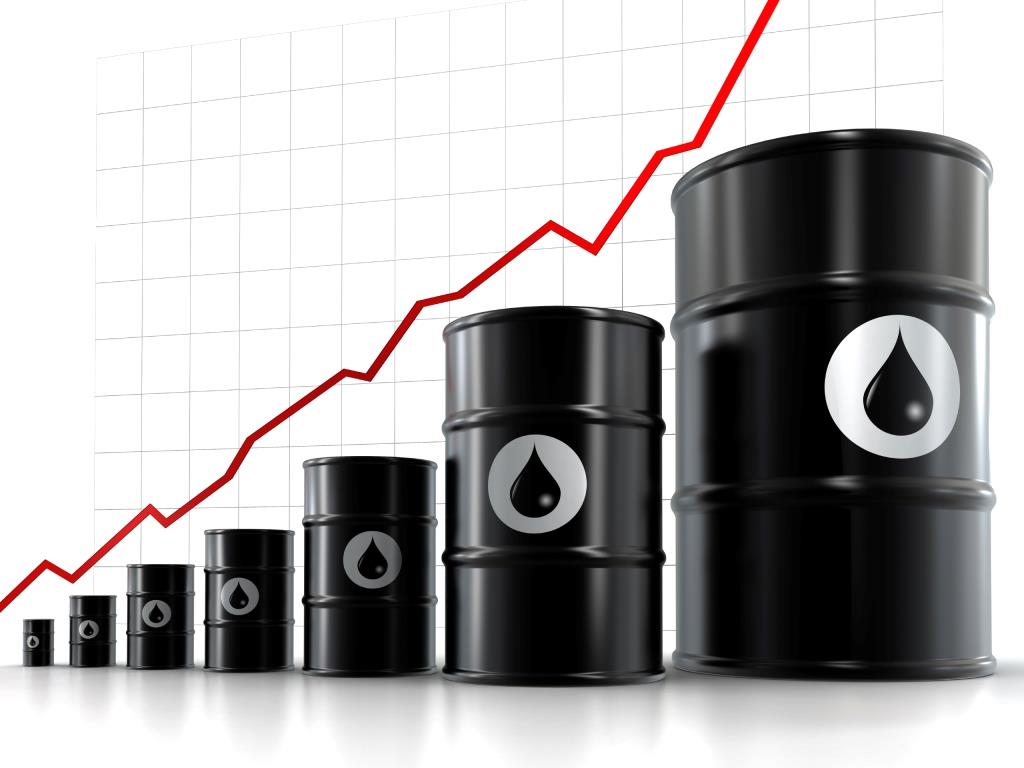
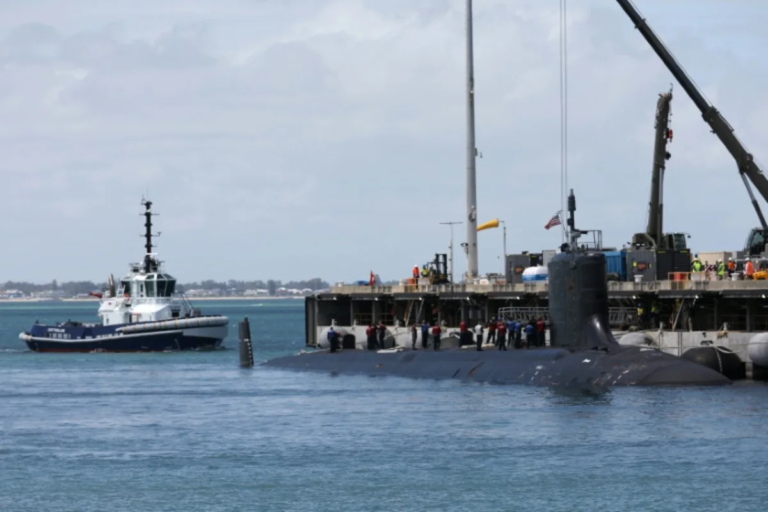
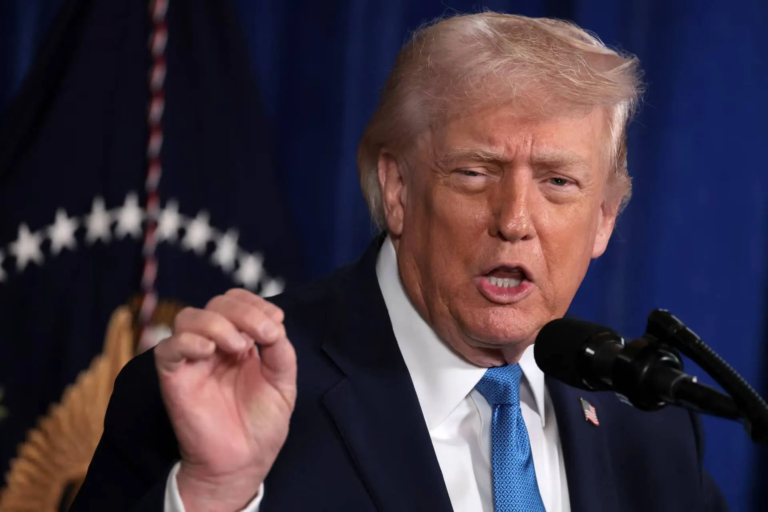
Global oil prices have swiftly increased after US President Donald Trump said its navy had blocked and captured an Iran-flagged cargo ship.
The Brent crude benchmark oil price rose to around $95 (£70) a barrel, reversing the slump on Friday, April 17, when Iran said the Strait of Hormuz would be “completely open” to commercial vessels for the remainder of the ceasefire.
Meanwhile, over the weekend, Iran announced it was closing the Strait of Hormuz again, and the country also warned that any ship coming too close would be targeted.
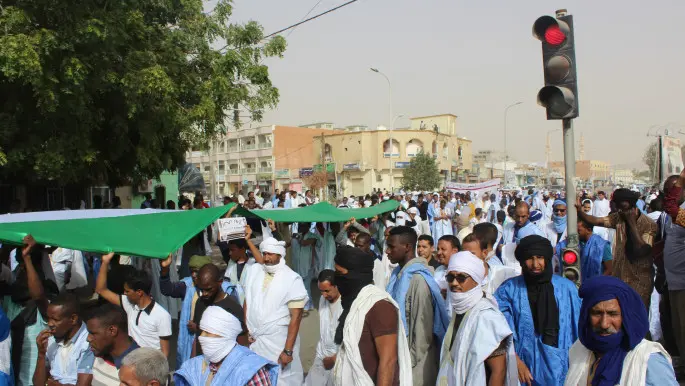
Read More : Mauritania Students Protest Transport Fare Hike
The Strait is a critical waterway through which about 20% of the world’s oil and liquefied natural gas passes. Energy markets have seen wild swings ever since the US and Israel attacked Iran on February 28. Tehran responded by threatening to hit ships in the Strait.
The US President said his representatives will be in Pakistan on Monday for negotiations, and Vice-President JD Vance will lead the US delegation.
However, Iran’s state media said Tehran has “no plans for now” to join the talks. Iranian officials have not yet made their final position clear.
“Oil markets continue to gyrate in response to oscillating social media posts by the US and Iran, rather than the realities on the ground which remain challenging for oil flows to resume in a rapid fashion”, analyst Saul Kavonic from financial services firm MST Marquee told the BBC.
“This is all part of negotiations, physically playing out in real time on the Strait of Hormuz.”
Shanti Kelemen, an investment expert at 7 Investment Management, said investors are getting tired of the constant ups and downs.
“I think the market stopped believing the words, and will look more towards the actions,” she told the BBC.
The Strait of Hormuz remained closed on Sunday. A day earlier, Iran’s Revolutionary Guard said it was ending a brief reopening because of the US naval blockade. Iran accused the US of breaking the ceasefire and said the strait would stay shut until the blockade ends.
On Friday, Trump said that the blockade would continue until the US and Iran reach a deal. Stock markets showed mixed results on Monday. In Europe, London’s FTSE 100 fell 0.7%, while Germany’s DAX and France’s CAC 40 both dropped more than 1%. Asian markets rose earlier, with Japan’s Nikkei closing up 0.6% and South Korea’s Kospi gaining 0.4%. Energy prices have seen volatile trading since the start of the Iran war.
Before the conflict began, Brent crude, a major benchmark for oil prices, was trading at about $70 per barrel, but on March 9, it shot up to nearly $120. The fighting has triggered a global energy crisis. Prices have risen sharply, and some countries are now facing fuel shortages.
Asia has been hit hard as the region depends on the Strait of Hormuz for about 90% of its energy needs, and that waterway is now largely closed.
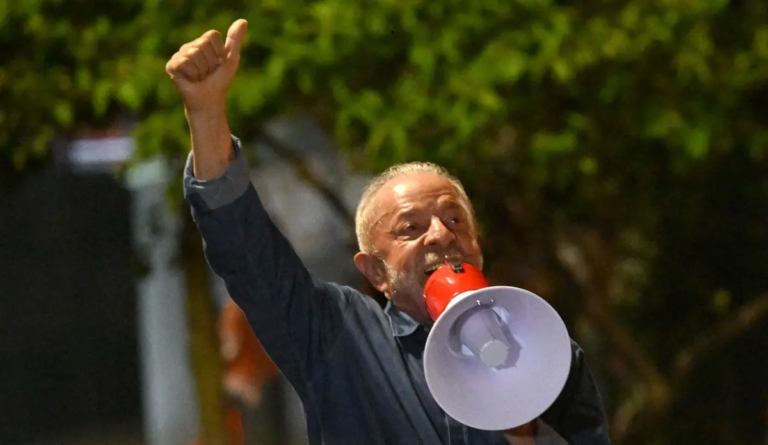
Read More : Brazil’s Lula Turns 81, Vows 24-Hour Workday
To save fuel, governments across Asia have taken unusual steps, including telling employees to work from home, shortening the working week, declaring national holidays, and closing universities early.
In Southeast Asia, countries like Singapore and Thailand are asking people to use less air conditioning. Even China, which has oil reserves that could last about three months, is feeling the pinch, prompting the government to limit a fuel price hike, but citizens are still facing a 20% jump in costs.
For now, traders are bracing for more uncertainty. Diplomatic efforts to end the crisis remain up in the air.