Trending
Iran has issued a firm warning to the United States, declaring that Washington no longer holds the authority to impose its will on other nations, as diplomatic efforts intensify over the future of the strategically critical Strait of Hormuz.
The statement comes at a delicate moment in negotiations following a ceasefire that has paused hostilities between Iran, the United States, and Israel. While active fighting has stopped, discussions aimed at securing a lasting resolution have yet to produce a breakthrough, leaving key flashpoints—particularly the Strait of Hormuz—at the centre of global attention.
Iran has effectively restricted access to the waterway since the early phase of the conflict, a move that has disrupted global energy flows and unsettled international markets. The strait is one of the world’s most vital transit routes, carrying a significant share of global oil and gas shipments. Its closure has heightened concerns over supply stability and price volatility.
Read More : Putin’s Party Wins Duma Supermajority
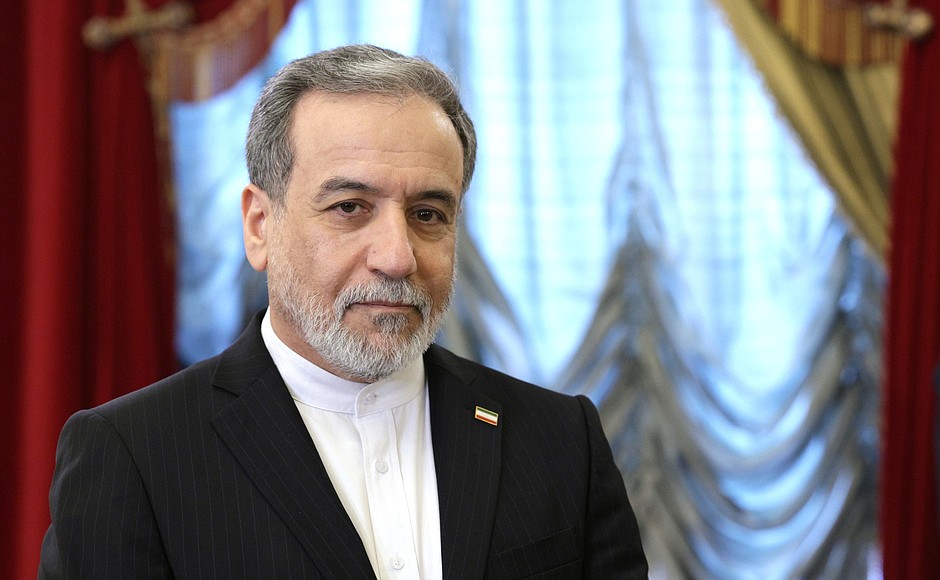
Speaking via state television, Iranian defence ministry spokesman Reza Talaei-Nik delivered a pointed rebuke of US influence.
“The United States is no longer in a position to dictate its policy to independent nations,” he said, adding that Washington would ultimately “accept that it must abandon its illegal and irrational demands.”
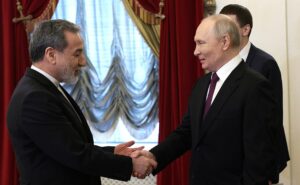
His remarks signal Tehran’s hardened stance as it seeks to reposition itself within the broader geopolitical landscape.
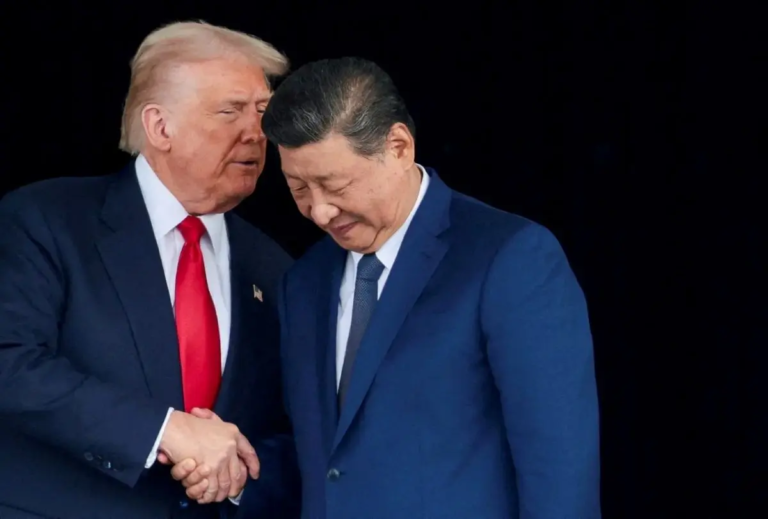
Read More : Xi, Trump Prepare For High-Stakes Talks
At the same time, Iran has put forward a proposal currently under consideration in Washington that could lead to the reopening of the Strait of Hormuz. The plan is reportedly tied to ongoing negotiations, suggesting that access to the waterway may become a key bargaining tool in shaping the conflict’s outcome.
Talaei-Nik also indicated that Iran is looking to deepen military cooperation beyond the immediate crisis. Speaking ahead of a Shanghai Cooperation Organisation defence ministers’ meeting, he said Tehran is “ready to share its defensive military capabilities with independent countries,” particularly member states of the bloc.
As negotiations continue, the fate of the Strait of Hormuz remains a critical lever, one that could determine not only the trajectory of the conflict but also the stability of global energy markets.