Trending
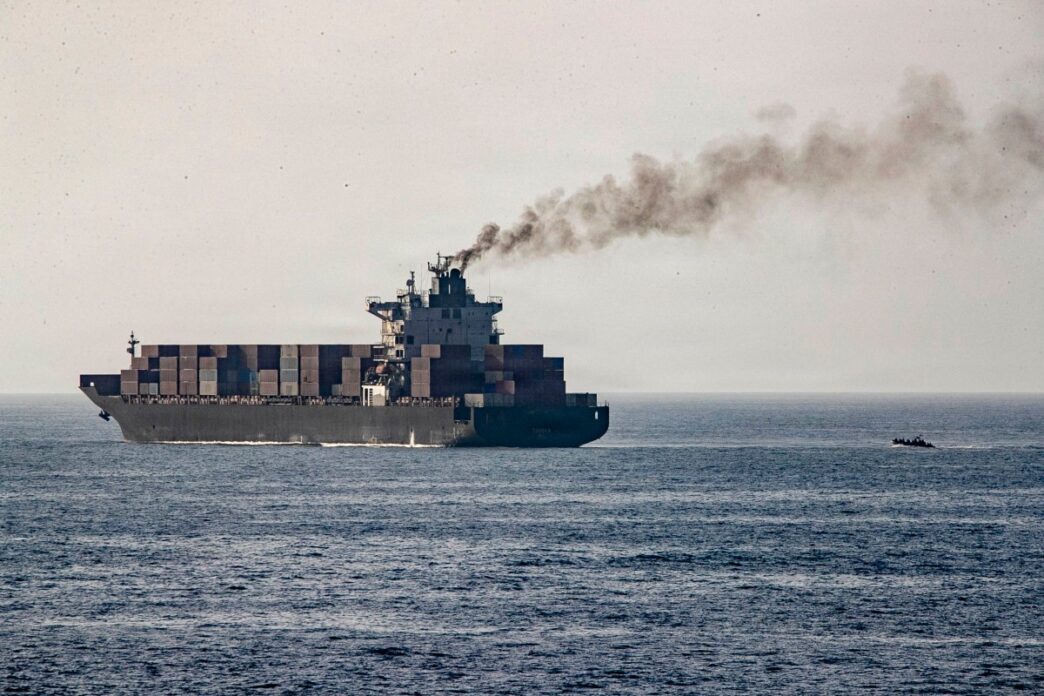
Iran has vowed not to reopen the Strait of Hormuz until the United States lifts its naval blockade, despite a temporary extension of the ceasefire.
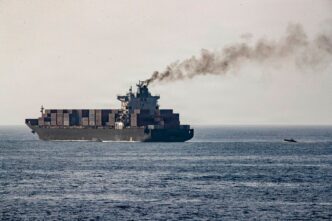
The warning came after Iran’s Revolutionary Guards seized two ships attempting to cross the crucial waterway, which handles one-fifth of the world’s oil supply.
Iran’s parliament speaker, Mohammad Bagher Ghalibaf, addressed the delicate ceasefire situation, saying that a complete ceasefire could only be meaningful if it is not undermined by actions such as a naval blockade.
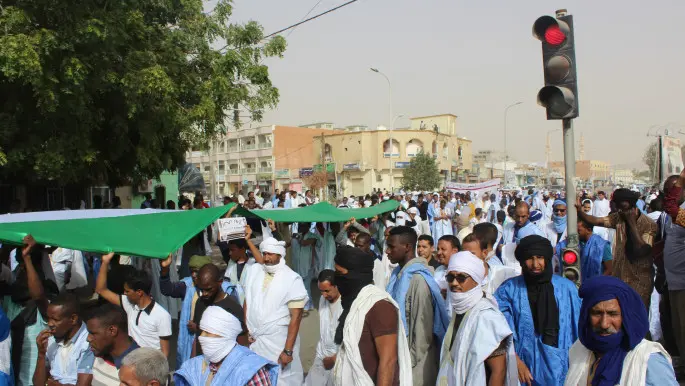
Read More : Mauritania Students Protest Transport Fare Hike
“Reopening the Strait of Hormuz is not possible amid a blatant violation of the ceasefire,” Ghalibaf remarked, asserting Tehran’s stance.
The maritime seizure occurred when the Revolutionary Guards intercepted two vessels: the Panama-flagged MSC Francesca and the Liberia-flagged Epaminondas.
The Panama Foreign Ministry condemned the action, calling it a “serious attack on maritime security,” thereby further escalating tensions.
The UK-based Maritime Trade Operations also reported incidents of gunfire by Revolutionary Guards boats, which damaged a container ship’s bridge but caused no casualties. The tension has kept oil prices climbing, with investors uncertain whether the region’s conflict will flare up again.
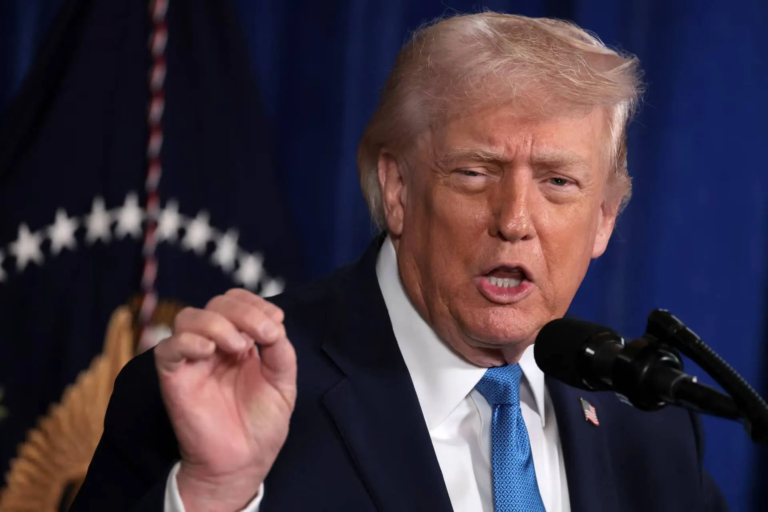
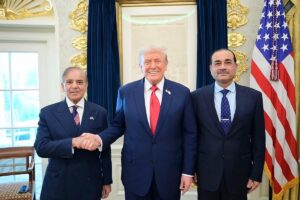
US President Donald Trump, who had initially sought a truce to facilitate peace talks, has said that he wants more time for negotiations, particularly those brokered by Pakistan.
Trump also claimed that Iran had halted the planned execution of eight women arrested during anti-government protests. However, Iran’s judiciary dismissed Trump’s claims as “false news.”
Despite ongoing peace efforts, such as a US-brokered truce between Israel and Lebanon, violence continues in the region.
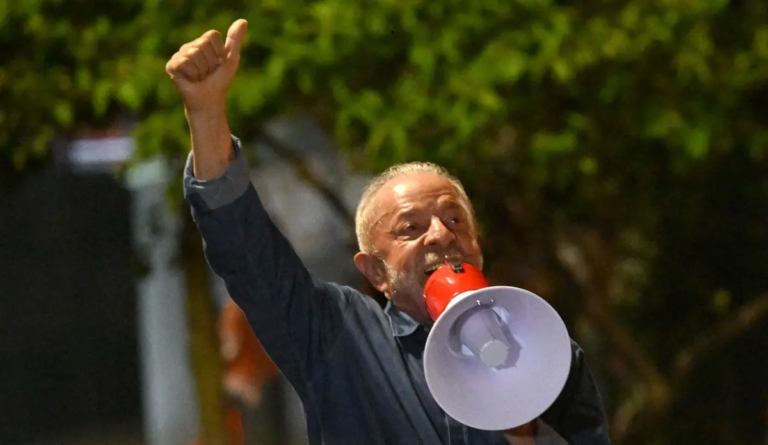
Read More : Brazil’s Lula Turns 81, Vows 24-Hour Workday
An Israeli airstrike in Lebanon killed five people, including journalist Amal Khalil, just as the Lebanese government sought to extend the ceasefire by another month.
With both Iran and the US accusing each other of breaching the ceasefire, the region remains on edge, awaiting the next phase of diplomatic talks.
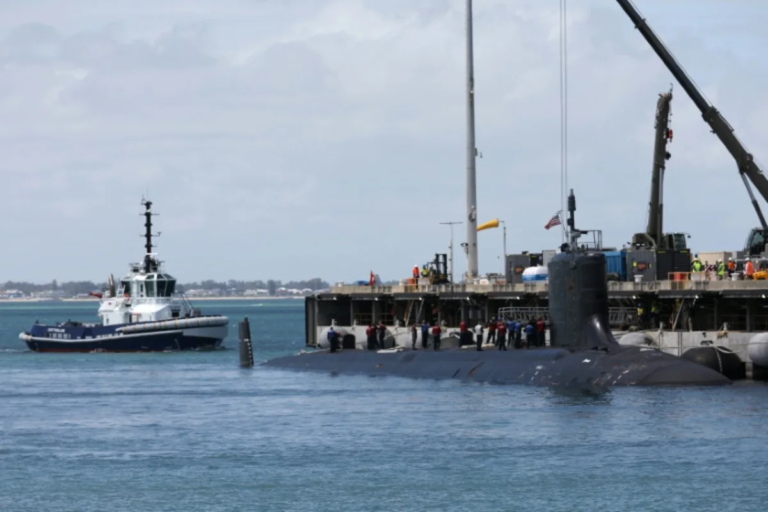
In the midst of this volatile backdrop, US forces have intensified efforts to block vessels travelling to or from Iranian ports, hoping to apply economic pressure on Tehran. As the military strategies unfold, the fate of the ceasefire hangs in the balance, with both sides remaining entrenched in their positions.