Trending
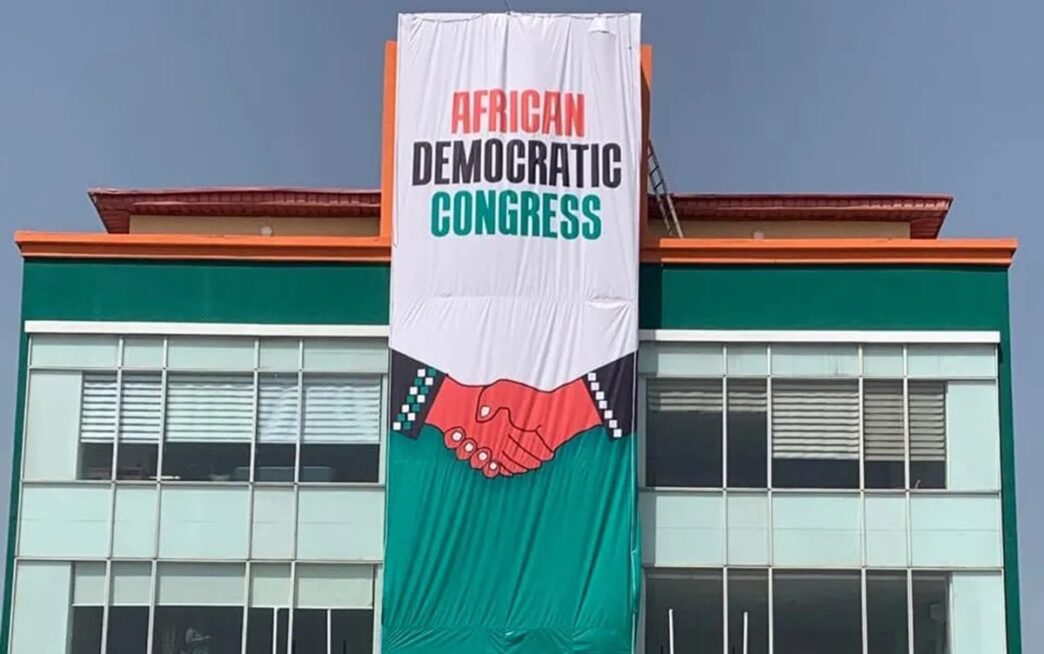
Legal practitioner and political analyst Liborous Oshoma has cautioned that the African Democratic Congress (ADC) could become entangled in prolonged legal disputes up to the eve of the 2027 general election.
Speaking on Politics Today, Oshoma said the party must act swiftly to resolve its internal crisis or risk being preoccupied with litigation at the Supreme Court of Nigeria.
“They need to make haste. If they do not make haste, then certainly it might become difficult for them, despite the Ibadan Declaration, to even put their house in order,” he said.
“If care is not taken, and we are not prophets of doom, with all the multiplicity of suits, I think these people might just keep ADC busy in Abuja at the Supreme Court until a few days before the election, and it might be too late for them to hit the ground running. Some persons might even decide to abstain from voting, which will not be good for our democracy,” he added.

Despite the warning, Oshoma acknowledged that the involvement of prominent figures such as Peter Obi, Nasir El-Rufai, Rauf Aregbesola, and Atiku Abubakar could provide the experience needed to navigate the crisis.
He also rejected claims that courts should not interfere in party affairs, arguing that judicial intervention is justified where constitutional breaches are alleged.
Oshoma said a recent ruling by Joyce Abdulmalik of the Federal High Court in Abuja has further complicated the situation by restricting the party’s ability to conduct valid state congresses.
The court barred the Independent National Electoral Commission (INEC) from recognising any congress organised by the party’s disputed leadership and restrained key figures, including David Mark, from interfering with elected state executives.
The case, filed by ADC state chairpersons, challenges the authority of the party’s interim leadership, arguing it lacks constitutional powers to organise congresses or set up committees.
Justice Abdulmalik ruled that political parties must adhere strictly to their constitutions, affirming that only duly elected structures can conduct such activities and that the tenure of current state executives remains valid.
The ADC remains divided between rival factions, leaving it without a clearly recognised leadership structure despite INEC’s involvement.
A final decision from the Supreme Court, expected on April 30, 2026, is likely to determine the party’s control and shape its prospects ahead of the 2027 elections.