Trending
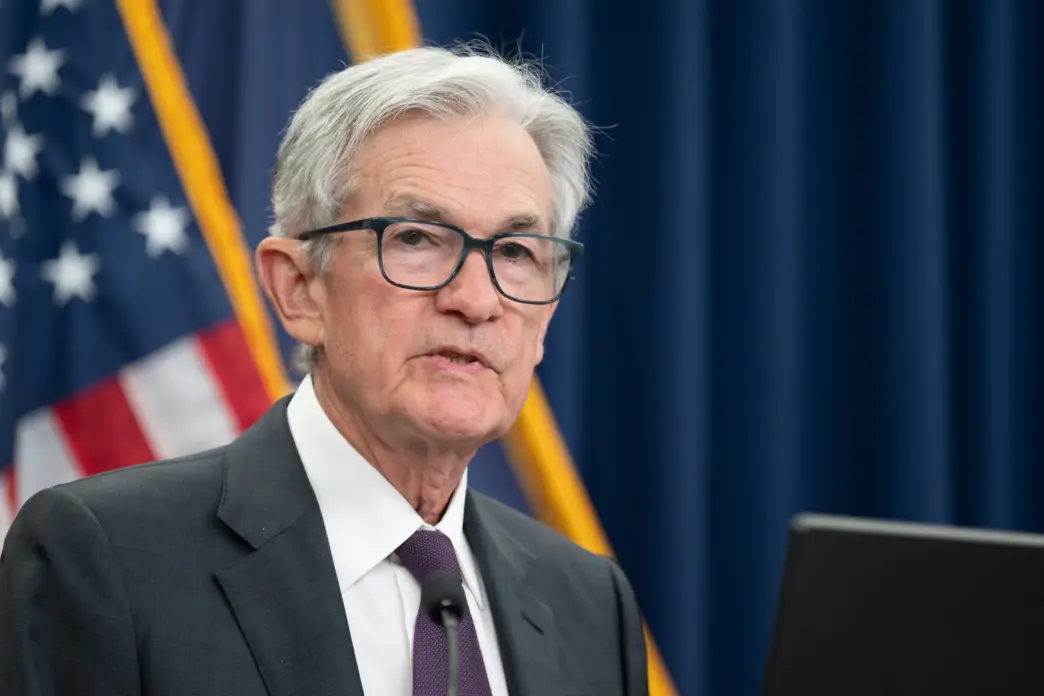
Jerome Powell, the Chair of the Board of Governors of the United States (US) Federal Reserve System, has said he will remain at the Federal Reserve as a governor after his tenure ends on May 15, 2026.
Speaking at his final press conference as chair, Powell noted that he intends to “keep a low profile” in his post-chair role and will step down when he considers it appropriate. His term as a governor could run until 2028.
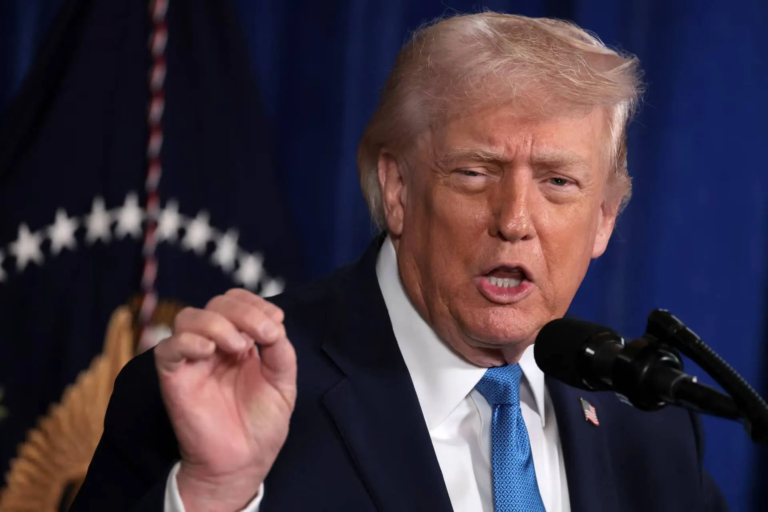
He emphasised that his decision is not linked to criticism from US President Donald Trump, but rather to ongoing legal challenges facing the Federal Reserve and concerns about preserving the institution’s independence.
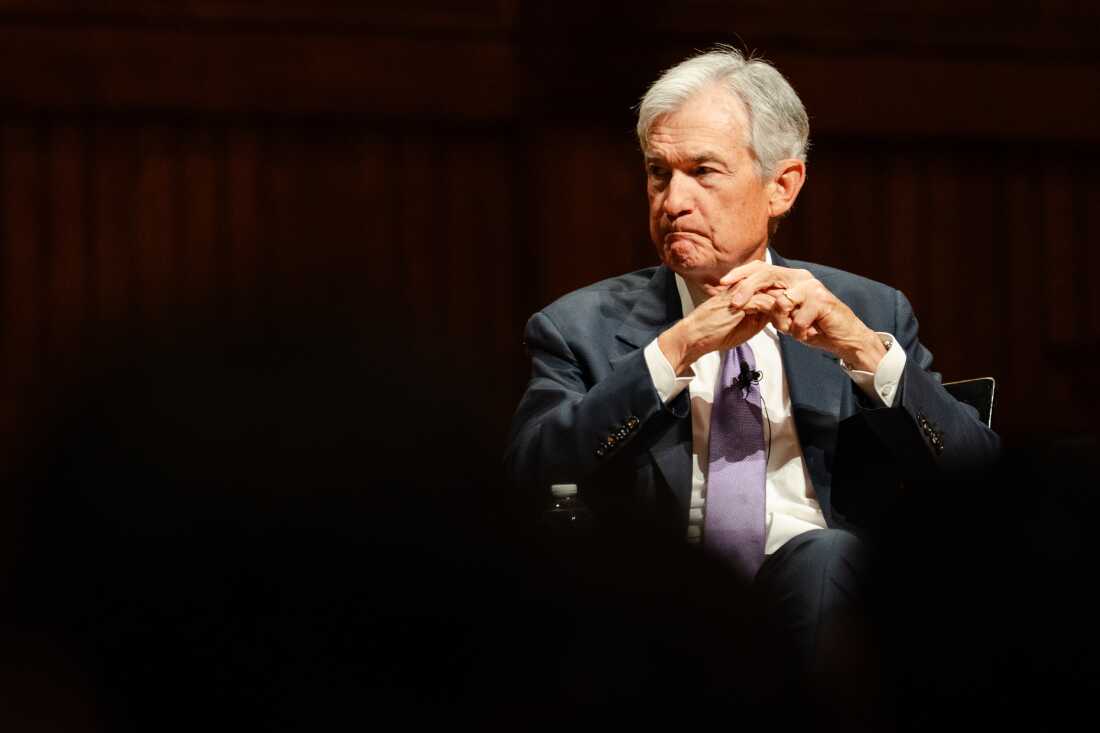
Since returning to office, Trump has repeatedly criticised Powell for not cutting interest rates more aggressively, arguing that lower rates would stimulate economic growth despite inflation risks.
The administration has also been involved in legal actions affecting the central bank, including an attempt to remove Fed governor Lisa Cook and a Justice Department probe into renovation cost overruns tied to the Fed, an investigation that has now been dropped.
Powell said he is encouraged by that development but will continue to monitor the situation, emphasising the need for a central bank that operates “free of political influence.”
He also congratulated Kevin Warsh, his expected successor, who has advanced in the Senate confirmation process.
Meanwhile, the Fed decided to keep interest rates unchanged for a third consecutive meeting, maintaining them within a 3.50 to 3.75 per cent range despite the uncertainty caused by global tensions, including the Middle East conflict involving Iran.
Read More : Zelensky Visits Ukraine Frontline Troops
The decision exposed rare divisions within the Fed, with four of 12 voting members opposing the outcome—the highest level of dissent since 1992. Some officials supported holding rates steady but disagreed with signals suggesting possible future cuts.
Democratic lawmakers, including Elizabeth Warren and Raphael Warnock, raised concerns that Warsh’s nomination could undermine the Fed’s independence, while Republican Senator Thom Tillis ultimately backed the nomination after the probe into Powell was dropped.
Powell expressed confidence that Warsh would be able to build consensus within the central bank, adding that he would take the nominee “at his word” regarding his commitment to independence.