Trending
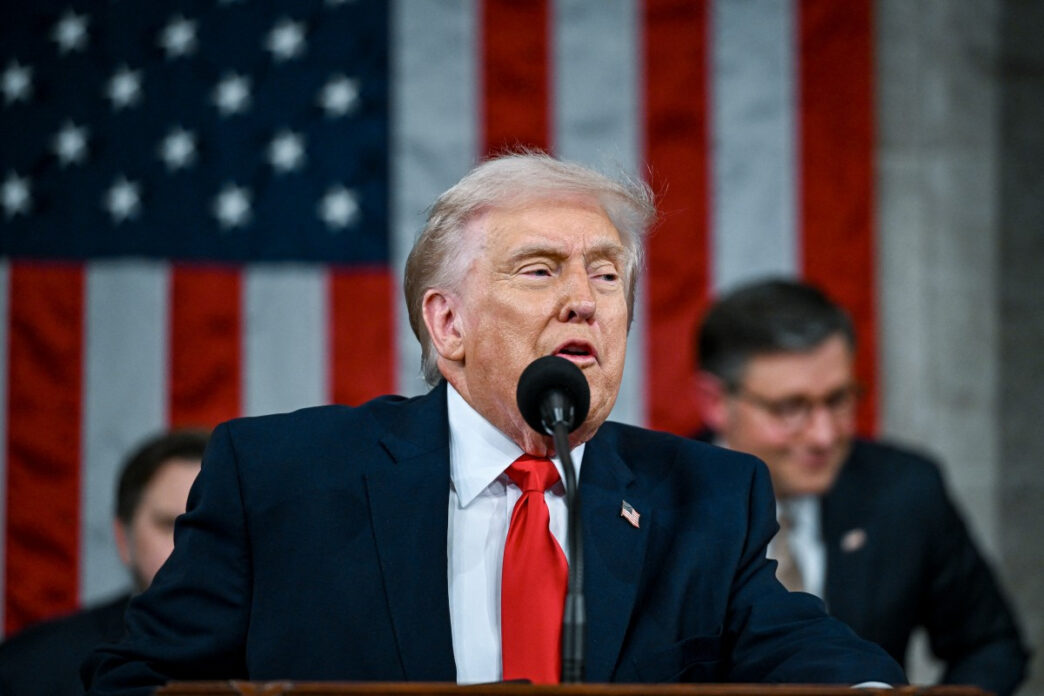
President Donald Trump issued a stern warning to Tehran on Wednesday, urging the nation to “get smart soon” and accept US demands regarding its nuclear programme.
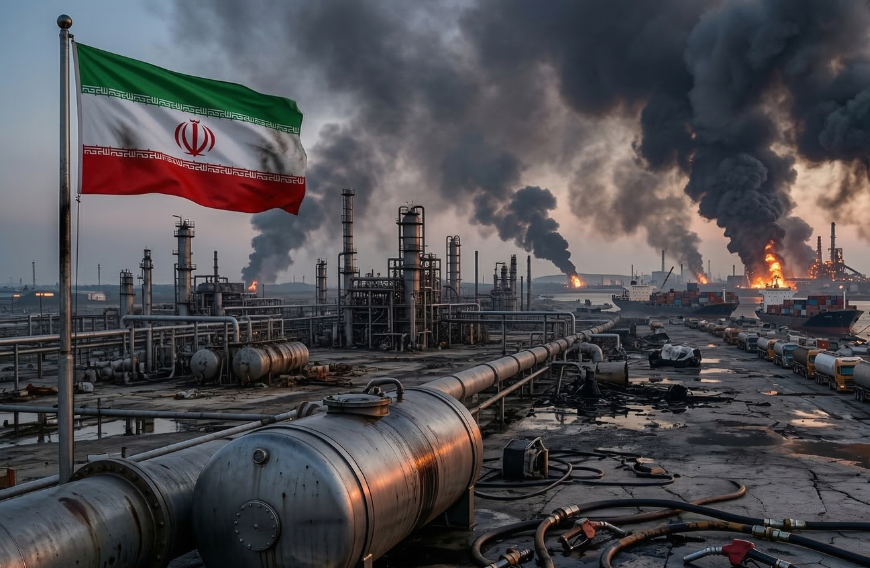
This rhetoric comes as a US naval blockade continues to exert severe pressure on the Iranian economy, which saw the rial plunge to historic lows this week.
Despite a fragile ceasefire established earlier this month, reports suggest the Trump administration is prepared to reject Iran’s latest proposal to reopen the Strait of Hormuz, opting instead to maintain the blockade until Tehran’s nuclear infrastructure is dismantled.
The escalating tension has sent immediate shockwaves through global energy markets, with Brent crude prices jumping over 5% to reach $117 per barrel.
While Iran’s latest diplomatic offer suggested a mutual easing of blockades, the White House appears committed to a “No more Mr Nice Guy” approach.
Iranian officials have responded with defiance, stating they do not consider the war over and claiming to hold unused “cards” that could be played if hostilities resume.
Beyond the economic standoff, the humanitarian and regional impact of the conflict continues to worsen.
In Lebanon, the military reported new casualties from Israeli strikes despite an existing ceasefire, and a UN-backed report warned that over 1.2 million people in the country are facing acute hunger.
As mediators like Qatar warn of a potential “frozen conflict,” the international community remains on edge over the possibility of renewed large-scale violence.