Trending
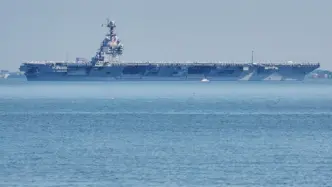
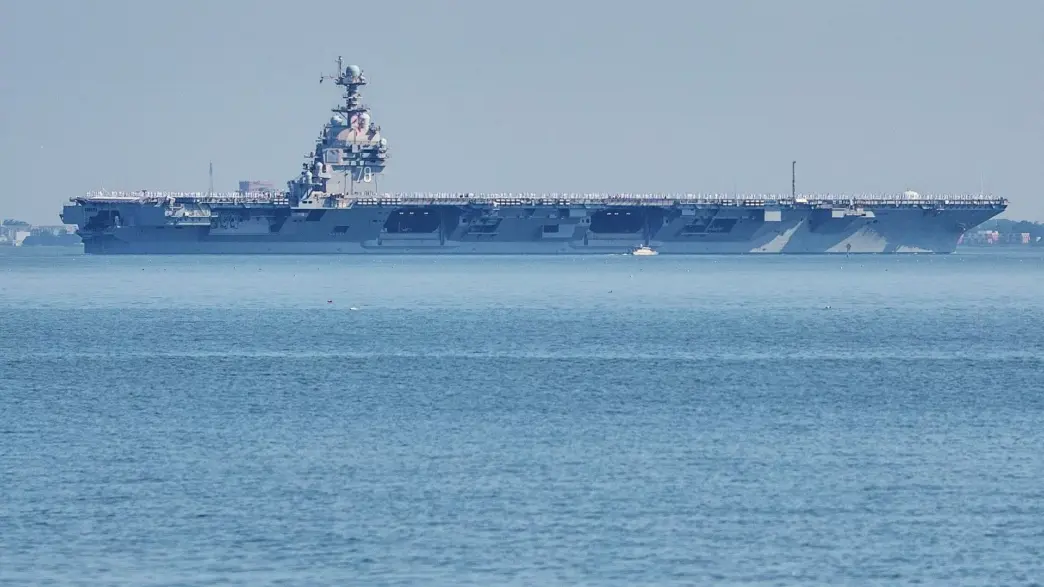
The USS Gerald R. Ford, the United States Navy’s largest and most advanced aircraft carrier, has departed the Middle East after a prolonged deployment that included operations related to tensions with Iran, according to multiple US officials and media reports.
Its exit marks a shift in American naval posture in the region, with two other aircraft carriers, the USS Abraham Lincoln and USS George H.W. Bush, now continuing the US presence there amid ongoing geopolitical strain.
Ford’s deployment lasted more than 300 days, setting a modern record for time at sea. During that period, the carrier was involved in a range of missions, including actions linked to the broader conflict with Iran and other operations in the Caribbean.
Its service also included strikes on alleged drug-smuggling boats, interdiction of sanctioned tankers, and efforts against Venezuelan leader Nicolás Maduro, according to US sources.
While deployed, the carrier faced operational difficulties. On March 12, a fire broke out in a laundry room aboard the vessel, injuring two sailors and damaging around one hundred beds, officials confirmed. Reports from US media further noted persistent issues with the ship’s toilet systems, resulting in clogged facilities and long waiting times for crew members.
The broader military context remains tense. The US and Iran are in a tenuous, open‑ended ceasefire, but major contentious issues persist, including Iran’s blockade of the crucial Strait of Hormuz and the United States’ naval blockade of Iranian ports. Both sides have accused each other of ceasefire violations, and diplomatic efforts to reach a lasting settlement have so far stalled.
Despite Ford’s departure, the US Navy’s continued presence, including other carriers and deployed forces, reflects Washington’s ongoing strategic commitment to the region.
Officials have indicated that the drawdown of one carrier does not signal an end to operations; rather, it represents a rotation in forces as the United States balances sustained pressure with logistical and readiness concerns.