Trending
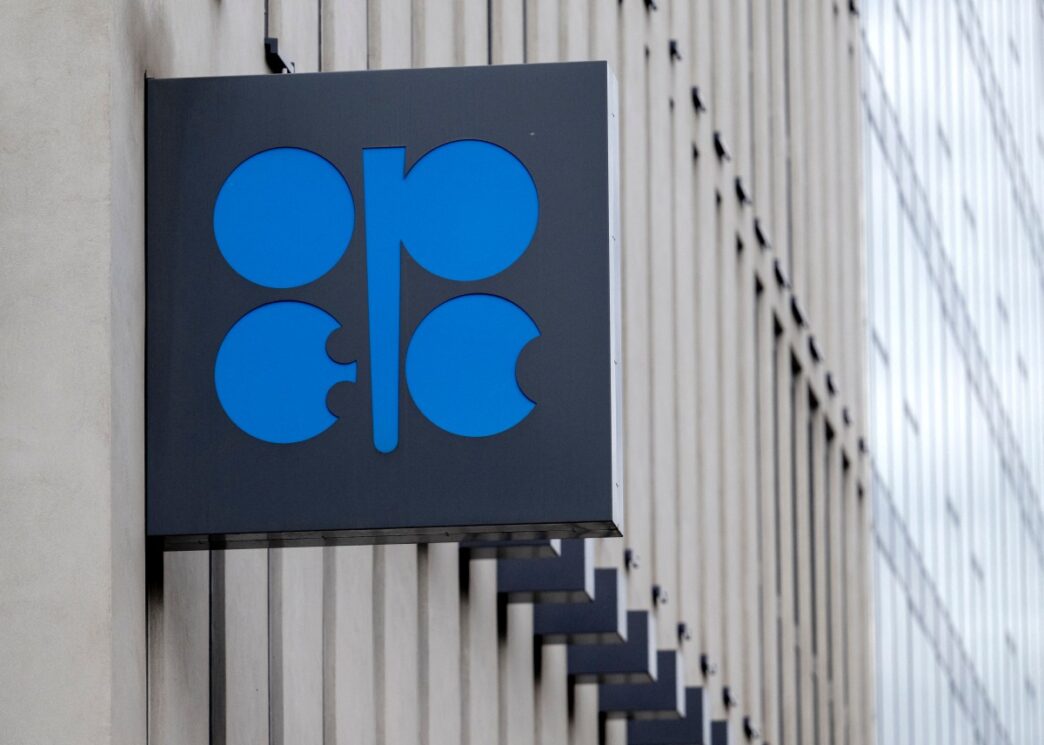
The United Arab Emirates has defended its decision to exit OPEC, framing the move as a calculated step to reposition its economy rather than a geopolitical statement directed at any country.
Speaking in Abu Dhabi, Sultan Al Jaber, chief executive of the Abu Dhabi National Oil Company (ADNOC), said the withdrawal reflects a long-term strategy focused on economic diversification and industrial expansion.
“The United Arab Emirates’ sovereign decision to reposition itself within the global energy landscape, and to exit OPEC and OPEC+, is not a decision directed against anyone,” he said.
Read More : UNGA: Lavrov Offers Help in Gulf, Slams Europe
The departure, which took effect on Friday, follows months of friction with Saudi Arabia, OPEC’s dominant producer. Disagreements over oil output quotas, foreign policy positions, and regional tensions have tested relations between the Gulf neighbours, whose alliance has weakened since a public dispute over Yemen late last year.
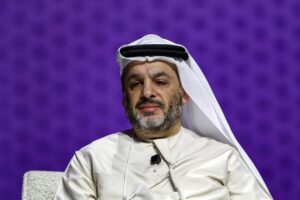
Despite these tensions, Al Jaber maintained that the decision was driven by domestic priorities. He said leaving OPEC “serves our national interests and long-term strategic objectives” and provides the flexibility to “accelerate investment, expand, and create value.” He further stressed that the move is part of a broader economic blueprint connecting energy, technology, and industrial development to build a more resilient national economy.
The UAE had long expressed dissatisfaction with OPEC’s production caps, which limited its output to 3.4 million barrels per day, even as Abu Dhabi aims to increase capacity to 5 million barrels per day by 2027. Analysts note that higher oil revenues are expected to support investment into non-oil sectors, particularly artificial intelligence and advanced manufacturing.
Reinforcing this direction, ADNOC has committed $55 billion to new energy projects over the next two years. At the same time, the country is expanding its defence manufacturing capabilities. Faisal Al Bannai said 85 per cent of drone threats have already been countered using locally developed jamming technology, adding that missile air defence systems will increasingly be produced within the UAE.
While Suhail Al Mazrouei confirmed the country left OPEC “on good terms,” the exit is expected to weaken the cartel’s influence over global oil supply and pricing and to introduce a new phase in UAE-Saudi relations.