Trending
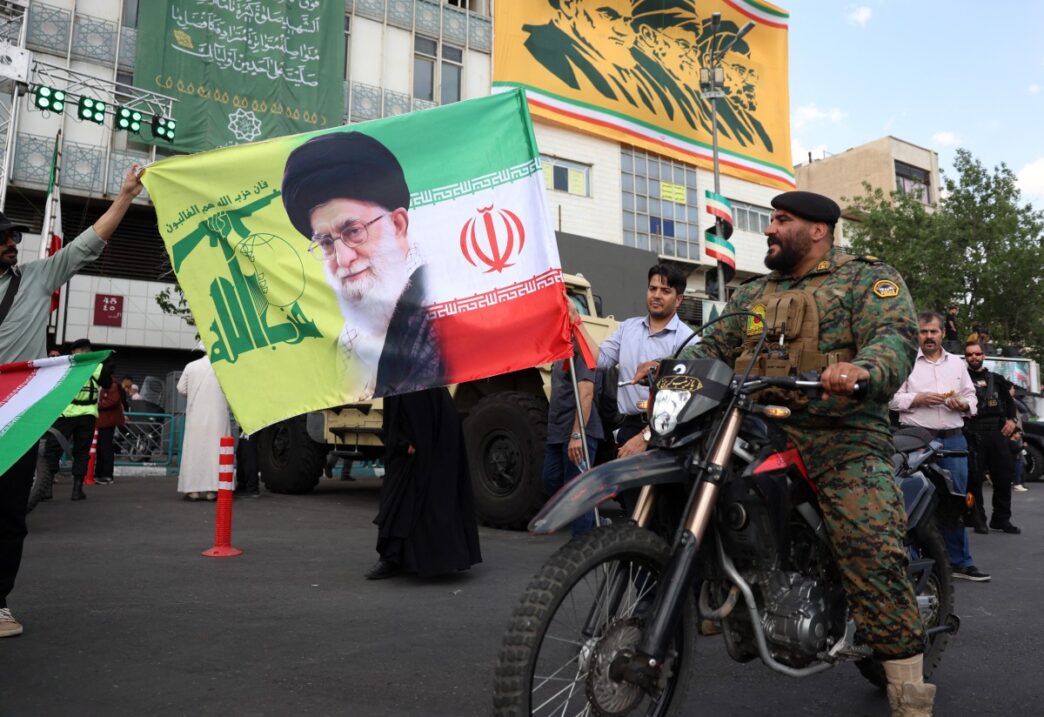
Iran has called on the United States to scale back its demands as negotiations to end the ongoing Middle East conflict remain deadlocked.
Speaking on Monday, Iran’s foreign ministry spokesman Esmaeil Baqaei made it clear that Tehran’s immediate focus is securing an end to hostilities that have now stretched over two months.
“At this stage, our priority is to end the war,” Baqaei said during a televised briefing. He added that progress would depend on Washington adopting what he described as a “reasonable approach” and dropping what Iran considers excessive conditions.
Read More : 7.7 Quake Hits Panama, Triggers Tsunami Warning
Diplomatic efforts between Iran and the United States have struggled to gain traction since a ceasefire came into effect on April 8. So far, only one round of direct peace talks has taken place, with little movement on key issues.
Central to the dispute is Iran’s control over the Strait of Hormuz, a critical global shipping route. Iran tightened its grip on the passage following strikes launched by the United States and Israel on February 28, which disrupted flows of oil, gas, and fertiliser. In response, Washington imposed a blockade on Iranian ports.
Tensions escalated further after Donald Trump announced plans for the United States to escort commercial vessels through the strait. The move has drawn sharp warnings from Iran’s military, raising concerns about potential confrontations in one of the world’s most sensitive maritime corridors.
Read More : Trump Secures Russian Diesel for US Market
Baqaei rejected the use of force as a negotiating tactic, maintaining that Iran sees itself as the “guardian and protector” of the Strait of Hormuz and insisted that the waterway had remained safe prior to the conflict.
He also placed responsibility for the current instability on Washington and Israel, urging the international community to hold both parties accountable for disruptions affecting global markets.
According to Baqaei, Iran has already presented a 14-point proposal aimed at ending the war, with a response from the United States delivered through Pakistani intermediaries.