Trending

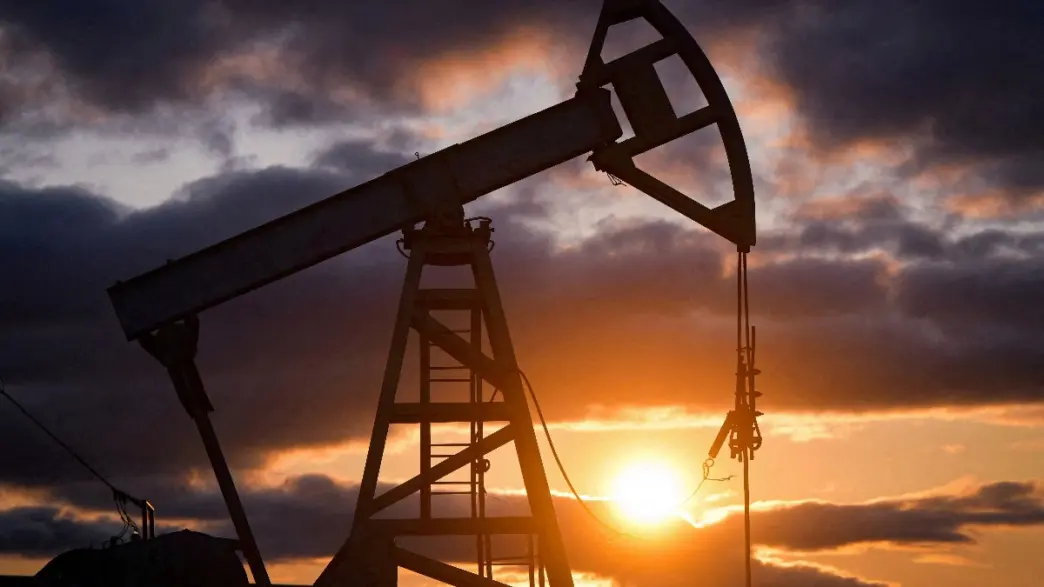
International oil prices surged on Monday following a drone strike that ignited a fire at an energy installation in Fujairah, United Arab Emirates.
The UAE defence ministry identified the perpetrators as Iranian forces, who targeted the country with drones and missiles.
This escalation occurred as U.S. Navy destroyers crossed the Strait of Hormuz for a new escort mission.
Read More : France’s Debt Hits Highest Level Since 1978
In response to the ongoing U.S.-Israeli military campaign that began in February, Tehran has effectively closed the strategic waterway, while the U.S. maintains a blockade on Iranian ports.
Consequently, Brent crude jumped over 5% to $114.14 per barrel.
In the financial markets, the Middle East crisis triggered a retreat in major U.S. equity indices, with the Nasdaq falling 3.4 per cent as rising energy costs overshadowed recent record finishes.
Despite this volatility, Asian markets in Seoul and Taipei hit record highs, driven by a resurgence in the artificial intelligence sector.
Heavyweights such as Samsung, SK hynix, and TSMC saw significant gains following strong first-quarter earnings reports from global tech giants.
Analysts note that while AI optimism is masking economic pain elsewhere, the market remains sensitive to the unresolved conflict and its widespread fallout.
Read More : Mexico-US Tariff Reduction Talks Advance
The currency market also experienced significant movement, with the yen spiking against the dollar, sparking rumours of further government intervention following a reported $31 billion effort by Tokyo to support the currency.
Meanwhile, European markets in Paris and Frankfurt closed down by more than one per cent as investors weighed geopolitical risks against corporate growth.
With further high-profile tech earnings from firms like Palantir and AMD expected later this week, investors remain cautious as they navigate the balance between a booming AI trade and a deepening energy crisis.