Trending
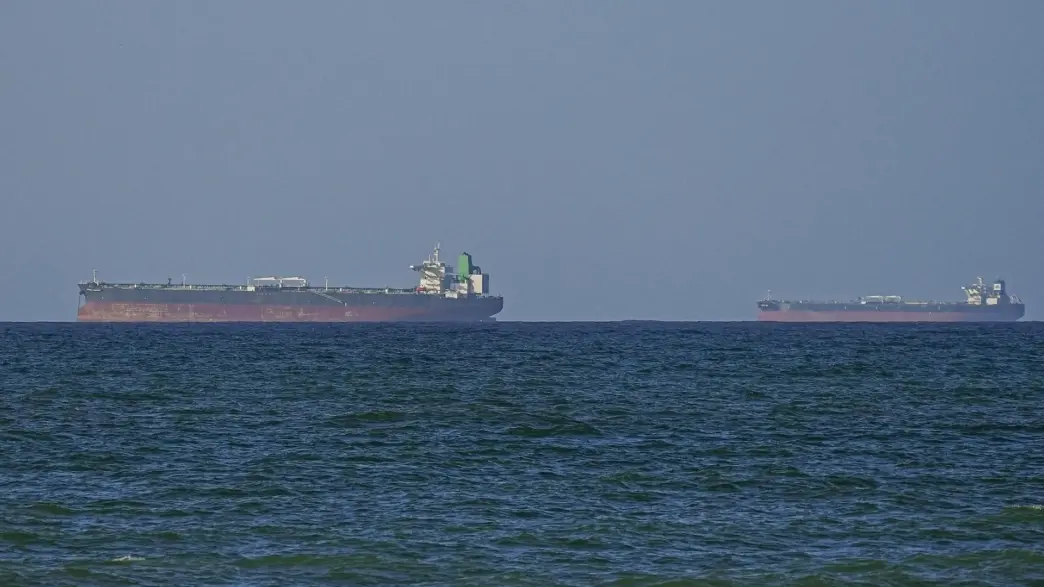
Iran’s military declared the Strait of Hormuz closed again on Saturday, reversing a brief reopening and triggering a sharp response from U.S. President Donald Trump.
The strategic waterway, which handles roughly 20% of the world’s oil and gas, was initially declared open following a ceasefire in Lebanon.
However, Tehran moved to shutter the passage once more in response to the ongoing U.S. naval blockade of Iranian ports, prompting many commercial vessels to abandon their transit attempts.
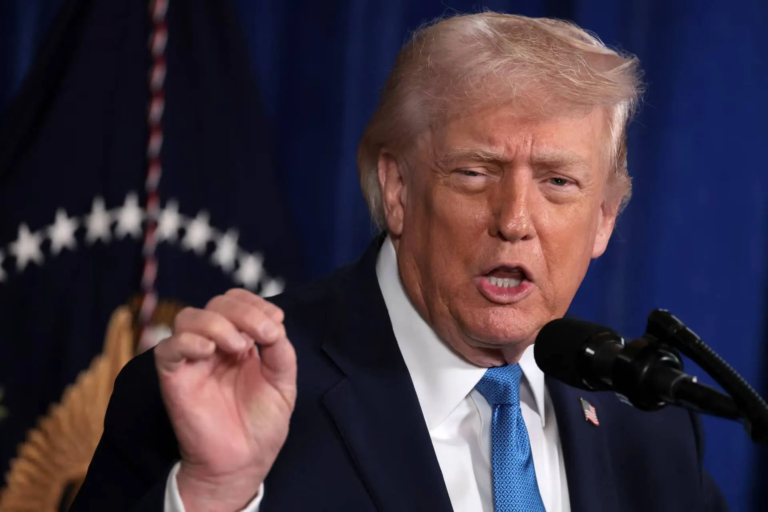
President Trump warned Iran against attempting to “blackmail” the United States, even as he suggested that diplomatic communications remain active.
While the U.S. administration expressed optimism about a potential peace deal, Iranian officials maintained a firm stance, stating they would not offer any compromises in negotiations.
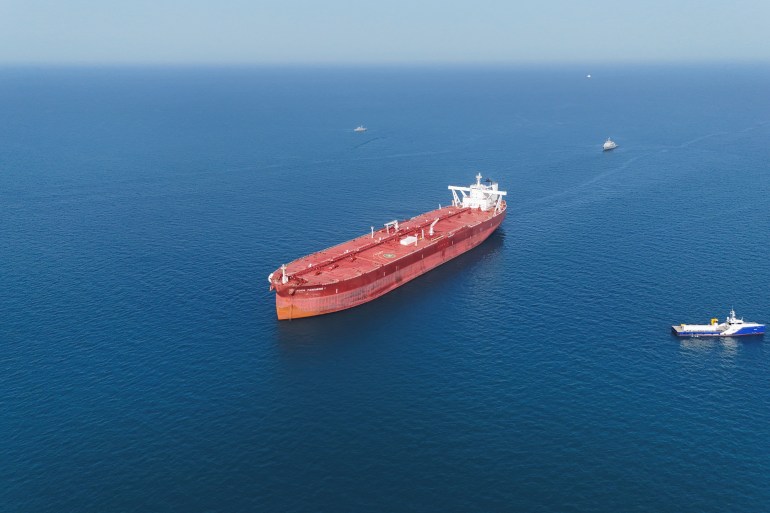
Tensions on the water escalated further on Saturday afternoon, with reports of the Iranian Revolutionary Guard firing at a tanker and threatening other vessels attempting to flee the Gulf.
Read More : Bolsonaro Defies Exit Ban, Flees to US
As the two-week ceasefire enters its final four days, mediators from Pakistan and Egypt are working urgently to secure a permanent agreement.
Significant obstacles remain, particularly regarding the control of the Strait and the fate of Iran’s enriched uranium stockpile.
While the U.S. claims an agreement is near, the Iranian leadership has publicly rejected several of the proposed terms, leaving the region on high alert as the deadline for the truce approaches.