
The World Health Organisation said on Thursday that additional cases of Hantavirus could emerge, but expressed confidence that the outbreak would remain “limited” if health precautions are properly implemented, following the deaths of three passengers linked to a cruise ship outbreak.
Another ill passenger from the MV Hondius arrived in Europe earlier on Thursday as the vessel continued towards Tenerife, while health officials worked to trace the spread of the potentially deadly human-to-human strain.
The situation surrounding the MV Hondius sparked international concern after three passengers died. However, health authorities stressed that the rat-borne virus spreads less easily than COVID-19.

WHO Director-General Tedros Adhanom Ghebreyesus told journalists in Geneva that five confirmed and three suspected cases had been recorded, including the three fatalities.
“Given the incubation period of the Andes virus, which can be up to six weeks, it’s possible that more cases may be reported,” he said, referring to the rare Andes virus capable of human-to-human transmission.
His warning appeared to materialise later on Thursday when the Leiden University Medical Centre confirmed that another patient had tested positive.
Despite this, WHO emergency alert and response director Abdi Rahman Mahamud maintained that the outbreak could still be contained.
“We believe this will be a limited outbreak if the public health measures are implemented and solidarity shown across all countries,” he said.
People believed to have contracted the virus are currently receiving treatment or isolating in the United Kingdom, Germany, Netherlands, Switzerland and South Africa.
WHO epidemic and pandemic preparedness director Maria Van Kerkhove sought to reassure the public, insisting, “This is not the start of an epidemic. This is not the start of a pandemic. This is not Covid.”
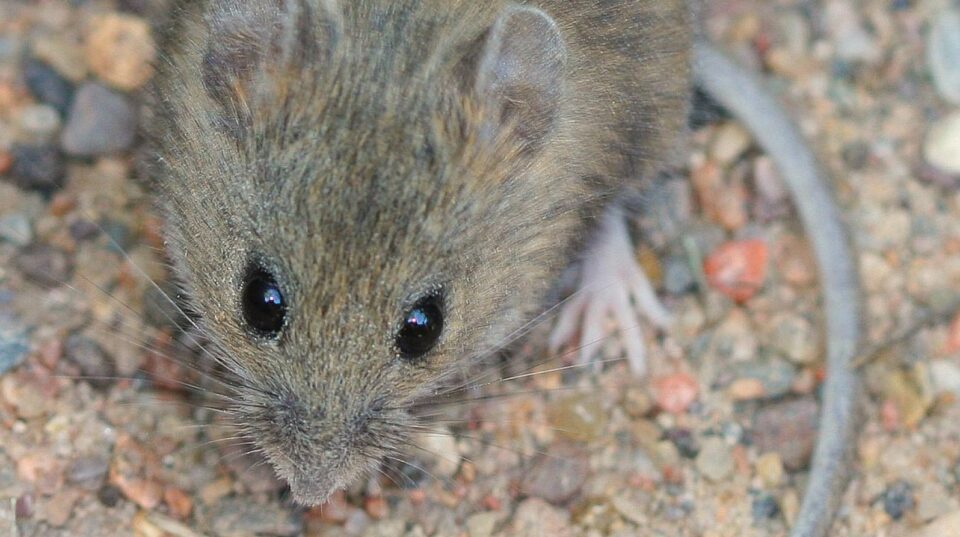
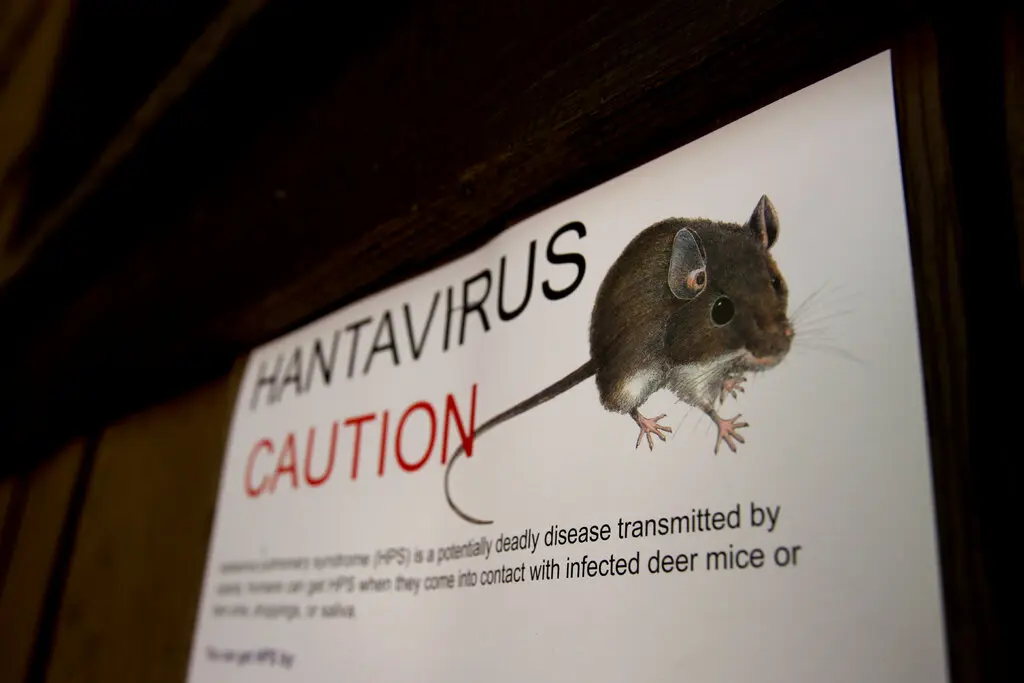
Hantavirus is a rare respiratory illness usually transmitted through infected rodents and can lead to severe respiratory and cardiac complications as well as haemorrhagic fever.
No vaccine or known cure currently exists, meaning treatment focuses mainly on relieving symptoms.
Health officials believe one passenger contracted the virus before boarding the ship in Argentina and later infected others during the Atlantic voyage.
Three evacuees were removed from the vessel on Wednesday, while a fourth patient arrived in Amsterdam on Thursday, according to Netherlands-based operator Oceanwide Expeditions.
The company stated that no symptomatic passengers currently remain onboard as the ship sails towards Tenerife.
The UK Health Security Agency also confirmed that two people who returned to Britain from the cruise had been advised to self-isolate, although both remained asymptomatic and the public risk was considered “very low”.
Authorities in Argentina said they planned to test rodents in Ushuaia, where the ship departed on April 1.
The first known victim, a Dutch passenger travelling with his wife, died aboard the ship on April 11.
His body was removed from the vessel on April 24 in Saint Helena, where 29 passengers disembarked.
Oceanwide Expeditions stated that all affected passengers had been contacted while efforts continued to identify all passengers and crew who boarded or left the ship since March 20.
Tedros also disclosed that the WHO had informed 12 countries whose citizens disembarked from the cruise at Saint Helena.
Alarm grew after the deceased passenger’s wife, who travelled with his body to South Africa, died 15 days later after falling ill. Authorities confirmed hantavirus as the cause of death on May 4.
Argentine officials said the couple had travelled through Chile, Uruguay and Argentina before joining the cruise.
The Dutch woman reportedly boarded a commercial flight from Saint Helena to Johannesburg while showing symptoms.
Officials are now tracing passengers from that flight, operated by South African carrier Airlink, which carried 82 passengers and six crew members.
A German passenger also died on May 2, with her body still onboard the ship.
Author
-
Toyibat is a highly motivated Mass Communication major and results-oriented professional with a robust foundation in media, education, and communication. Leveraging years of hands-on experience in journalism, she has honed her ability to craft compelling narratives, conduct thorough research, and deliver accurate and engaging content that resonates with diverse audiences.
Trending