Trending

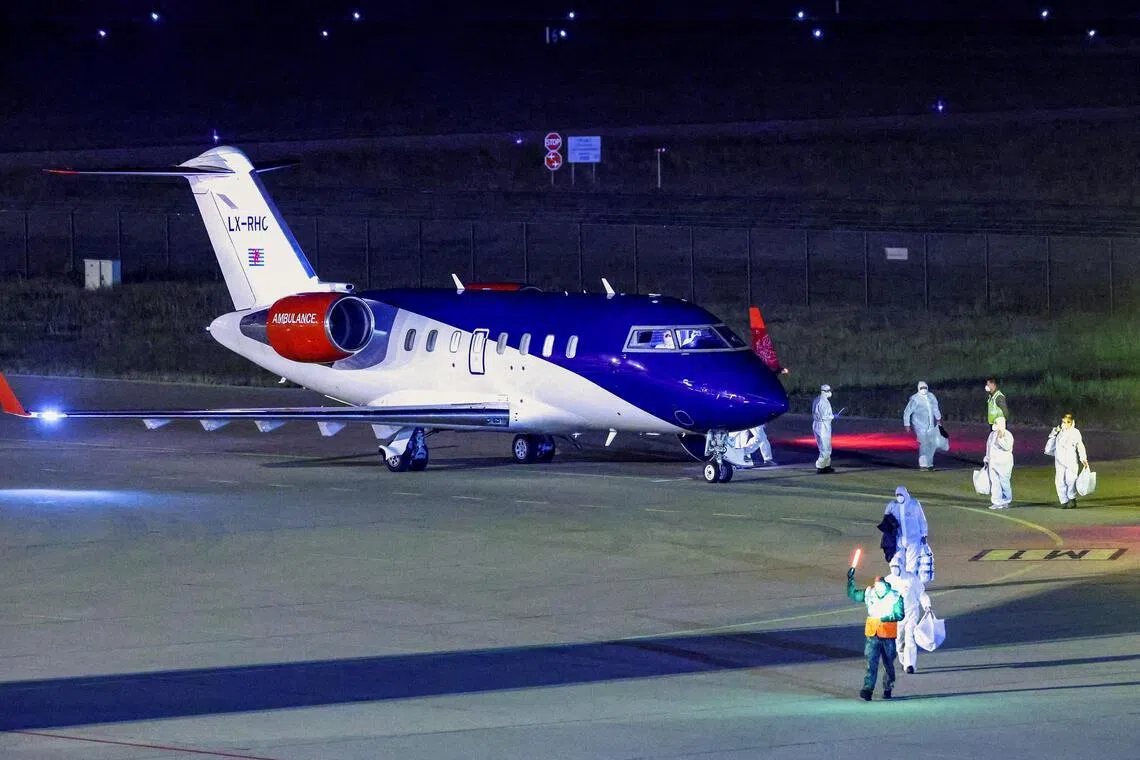
A fresh wave of concern hit Europe on Thursday as another passenger from the hantavirus-stricken cruise ship, MV Hondius, arrived in Amsterdam for medical evaluation.
Health officials across the continent are currently scrambling to contain a rare human-to-human strain of the virus, known as the Andes strain, which has already claimed three lives during the vessel’s Atlantic crossing.
While the ship currently reports no symptomatic individuals as it sails toward Tenerife, travellers who disembarked at previous stops are now being monitored in the UK, Germany, and Switzerland.
Read More : Somalia Rescues Oil Tanker From Pirates
The outbreak appears to have originated with a Dutch passenger who likely contracted the virus in South America before boarding in Argentina.
The gravity of the situation became clear after both the passenger and his wife died, with the latter falling ill after flying to South Africa.
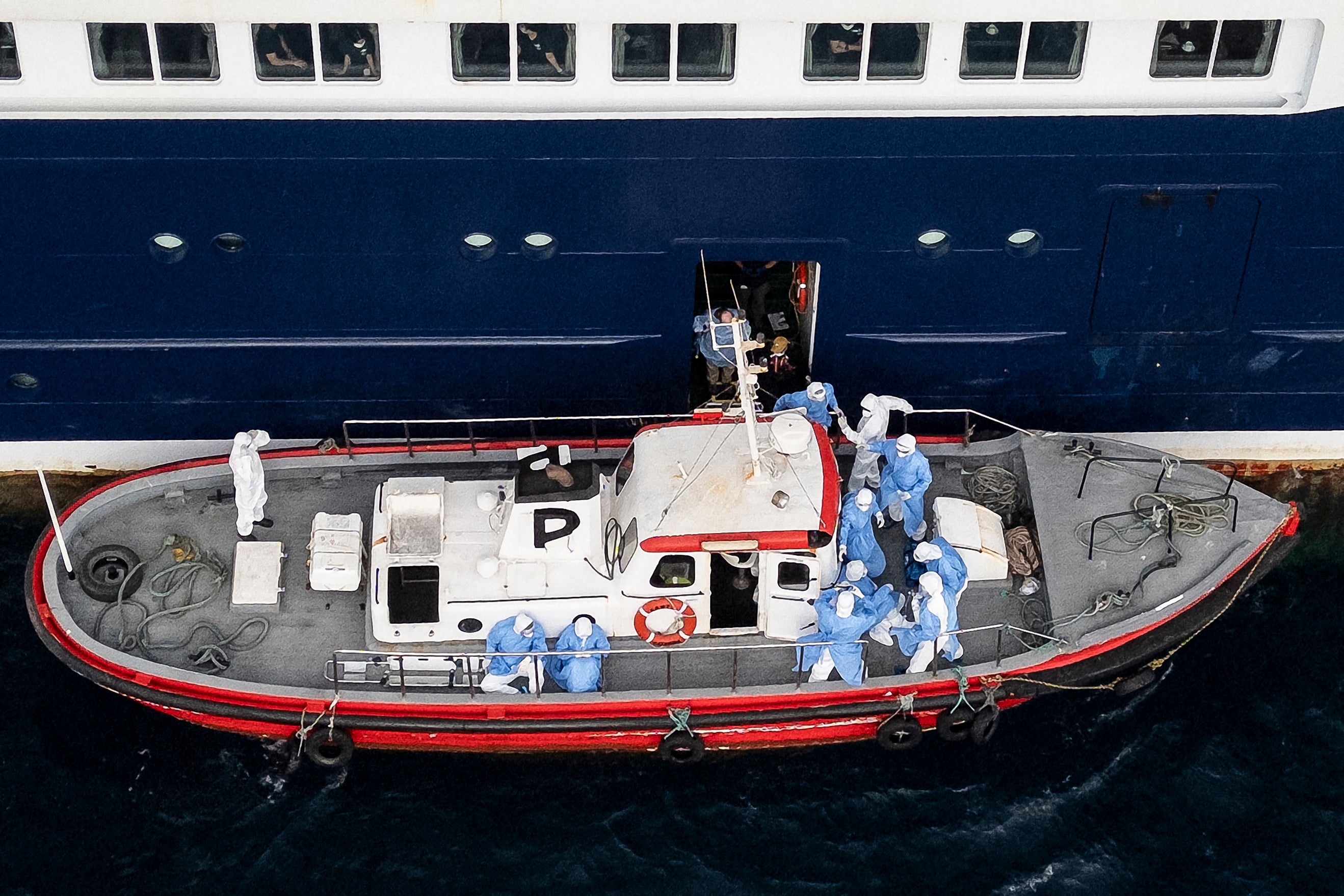
Airlines are now testing crew members who may have been exposed during commercial flights with the infected couple. This particular variant of hantavirus can spread between humans and has no known vaccine or cure.
Read More : Ukraine University Switches To Remote Classes
Despite the high-profile evacuations, both the World Health Organisation and the CDC have emphasised that the broader global risk remains low, noting that hantavirus is significantly less contagious than COVID-19.
Argentine authorities are currently testing rodent populations in the port of Ushuaia to pinpoint the source of the infection.
Meanwhile, the cruise operator is working closely with international agencies to trace every individual who has been on board the vessel since mid-March.