Trending


The World Health Organisation (WHO) has said the hantavirus outbreak linked to the MV Hondius cruise ship is not the beginning of another global pandemic.
Speaking during a press briefing on Thursday, WHO officials said hantavirus spreads very differently from COVID-19 and currently shows a low public health risk.
Maria Van Kerkhove, WHO Infectious Disease Epidemiologist, said authorities were not experiencing a repeat of the coronavirus pandemic.
Read More : Sanchez Calls Spain Snap Election
“I want to be unequivocal here. This is not SARS-CoV-2. This is not the start of a Covid pandemic. This is an outbreak that we see on a ship,” she said.
Van Kerkhove said that the Andes hantavirus spreads mainly through “close, intimate contact,” unlike COVID-19 or influenza, which spreads through the air.
“This is not Covid, this is not influenza, it spreads very, very differently,” she said.
Also speaking, Tedros Adhanom Ghebreyesus, WHO Director-General, said eight cases have been identified so far, including three deaths. He stated that five of the cases have been laboratory-confirmed while three remain suspected.
Ghebreyesus said previous outbreaks showed that human-to-human transmission only occurred after “prolonged contact,” which appears to have happened in this case.
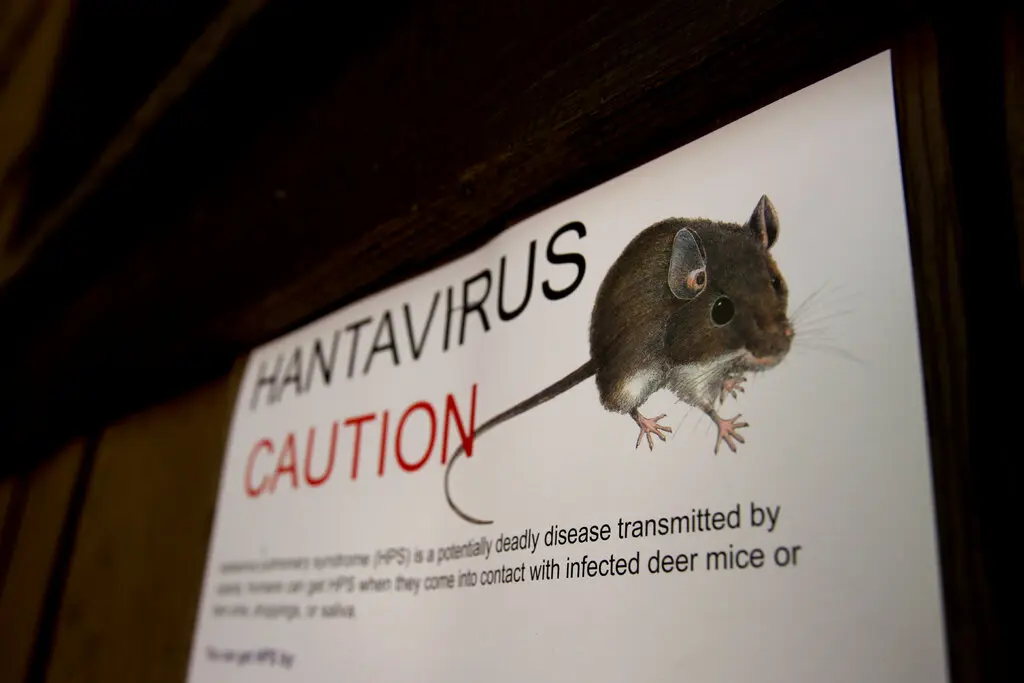
“Hantaviruses are a group of viruses carried by rodents that can cause severe disease in humans. People are usually infected through contact with infected rodents or their urine droppings or saliva. The species of hantavirus involved in this case is the Andes virus, which is found in Latin America and is the only species known to be capable of limited transmission between humans,” he said.
In previous outbreaks of the Andes virus, transmission between people has been associated with close, prolonged contact, particularly among household members, intimate partners, and those providing medical care. That appears to be the case in the current situation.”
Read More : Bolsonaro Leads Lula Into Brazil Run-Off
WHO DG said that when the first patient developed symptoms on April 9, hantavirus was not initially suspected, and no samples were collected. He said the patient’s wife later landed when the ship docked at St Helena before dying in Johannesburg, South Africa, where tests later confirmed hantavirus infection.
He added that more cases could still emerge because the disease has an incubation period of up to six weeks, but the organisation still assesses the wider public health risk as low.
Ghebreyesus disclosed that he contacted Spanish Prime Minister Pedro Sánchez on Monday to request that Spain accept the ship after the outbreak. The vessel is now heading to Spain’s Canary Islands, with passengers ordered to remain in their cabins and anyone showing symptoms instructed to isolate immediately.