Trending

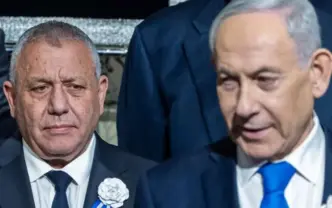
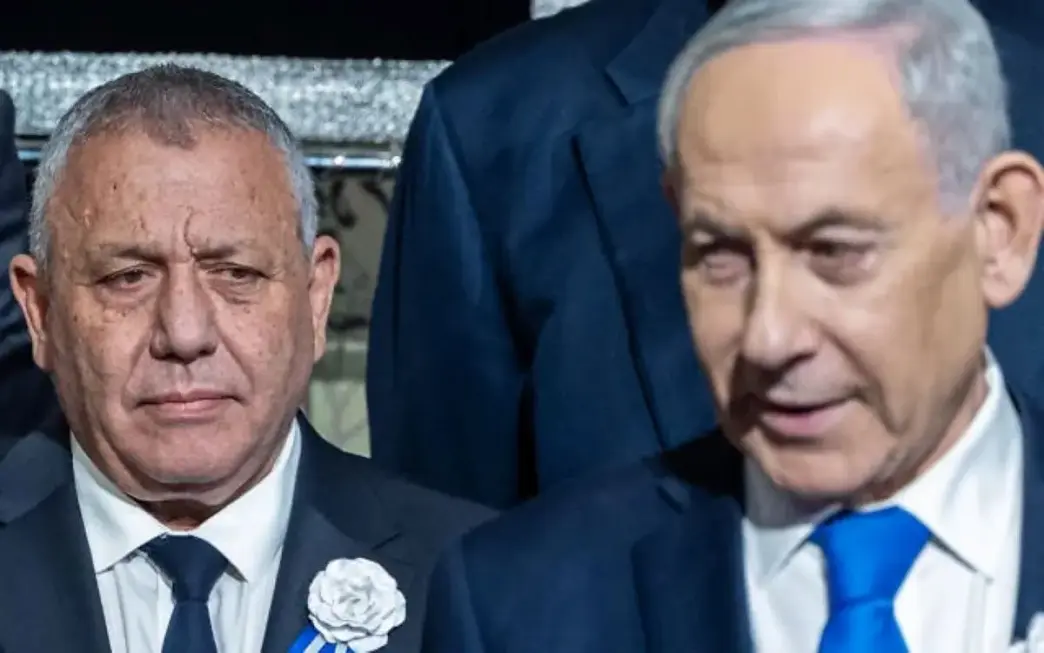
Israeli caretaker Prime Minister Benjamin Netanyahu’s Likud party and Gadi Eisenkot’s Yashar party are scheduled to resume coalition negotiations on Sunday as efforts continue to form a government following October’s inconclusive elections.
Delegations from both parties are expected to meet at 1:00 pm local time at a hotel in Herzliya, near Tel Aviv, marking their second consecutive Sunday of discussions, according to Israel’s Channel 14.
Eisenkot, a former military chief of staff, has until December 6 to form a government, although he could receive a 14-day extension if negotiations remain unresolved.
Read More : Saudi Arabia Intercepts Houthi Ballistic Missile
His political bloc remains divided over possible coalition arrangements, including cooperation with ultra-Orthodox parties, an agreement with Arab parties or the formation of a national unity government involving Netanyahu’s Likud.
On Saturday, Yashar described the negotiations as “a genuine commitment to forming the broadest possible government”, saying Eisenkot had instructed his representatives to consider all available options.
However, Likud has outlined several conditions for joining a unity government, including an end to what it described as “all personal attacks and incitement to hatred” directed at Netanyahu and his administration.
The party also insists that any coalition must exclude Arab parties, which secured a record 19 parliamentary seats in October’s elections.
Likud’s policy demands include opposition to Palestinian statehood, continued Israeli control over territories in Syria, Lebanon and the Gaza Strip, and an agreement on military conscription for ultra-Orthodox Jews.
One possible arrangement involves Netanyahu and Eisenkot rotating the premiership, although Eisenkot has previously rejected serving in a government headed by Netanyahu.
Former Prime Minister Naftali Bennett, an Eisenkot ally, reinforced that position on Saturday, declaring that he would not join a coalition with “Netanyahu or his bloc, under any circumstances”.
On Friday, Eisenkot warned against prolonged negotiations and said he was ready to present an “emergency national government” to parliament. His remarks suggest he could pursue a minority administration supported by opposition parties before seeking additional coalition partners.
With the December deadline approaching, the negotiations could determine whether Israel secures a broad coalition government or faces another period of political uncertainty.