Trending

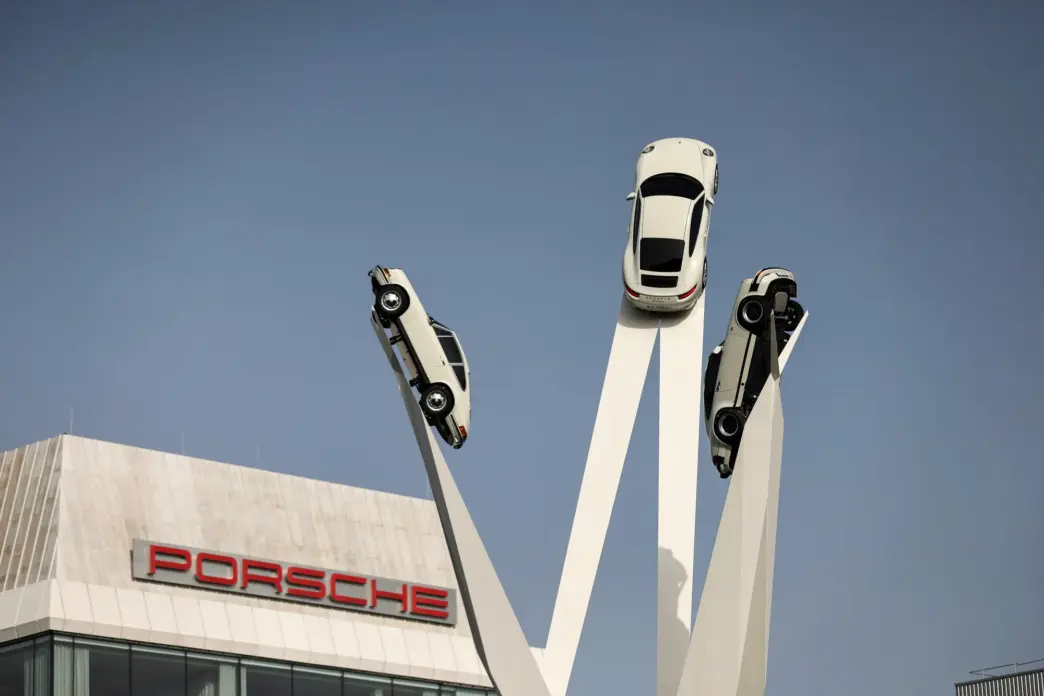
German automobile manufacturer Porsche announced on Friday the closure of three subsidiary companies, a move that will result in more than 500 job losses.
The affected units include an electric vehicle (EV) battery developer, a software division, and an e-bike systems manufacturer.
This decision highlights the intensifying pressure on the German luxury brand as it navigates a challenging global market and a volatile transition to electric mobility.
The manufacturer’s financial health has been significantly impacted by a sharp decline in sales within China, new U.S. tariffs, and the high costs associated with recalibrating its EV strategy.
Michael Leiters, who assumed the role of CEO earlier this year, emphasised that the company must consolidate its efforts on its primary automotive business.
He described the closures and subsequent layoffs as “painful cuts” necessary for the brand’s long-term focus.
The workforce reductions represent approximately 1 per cent of Porsche’s 42,000 global employees, with 360 of the layoffs occurring within the e-bike division across Germany and Croatia.
Despite the sombre news, investors responded positively, with shares rising 1.7 per cent in Frankfurt following the announcement. This follows a previous round of 1,900 job cuts initiated in February of last year.
Porsche’s struggles reflect a broader crisis within the Volkswagen Group and the German automotive sector.
Read More : PETROAN Directs Members To Inspect Fuel Meters
After investing heavily in electrification, many manufacturers are facing weaker-than-anticipated demand.
Consequently, Porsche has opted to delay several EV launches while extending the production life of its internal combustion and hybrid models.
The company warned that 2026 will remain difficult, characterised by tightened margins and reduced sales volume.