Trending


Spain’s health minister, Monica Garcia, has revealed that the final evacuation flight for passengers of a cruise ship hit by a hantavirus outbreak will depart the Canary Islands on Monday.
The ship, MV Hondius, arrived at Granadilla on Tenerife early on Sunday before the scheduled evacuation of passengers and some crew.
Garcia told journalists that all passengers were asymptomatic and were undergoing a final medical assessment before disembarkation.
Read More : Somalia Rescues Oil Tanker From Pirates
“The last flight of the entire procedure is scheduled for tomorrow, which is the flight to Australia,” said Garcia.
The minister added that the ship’s 14 Spaniards would leave first, followed by a Dutch flight that would also take citizens from Germany, Belgium, Greece and part of the crew.
According to Garcia, separate flights for Canadian, Turkish, French, British, Irish and US citizens were also planned for Sunday.
Regional authorities have, however, warned that adverse weather conditions would force the vessel to leave on Monday.
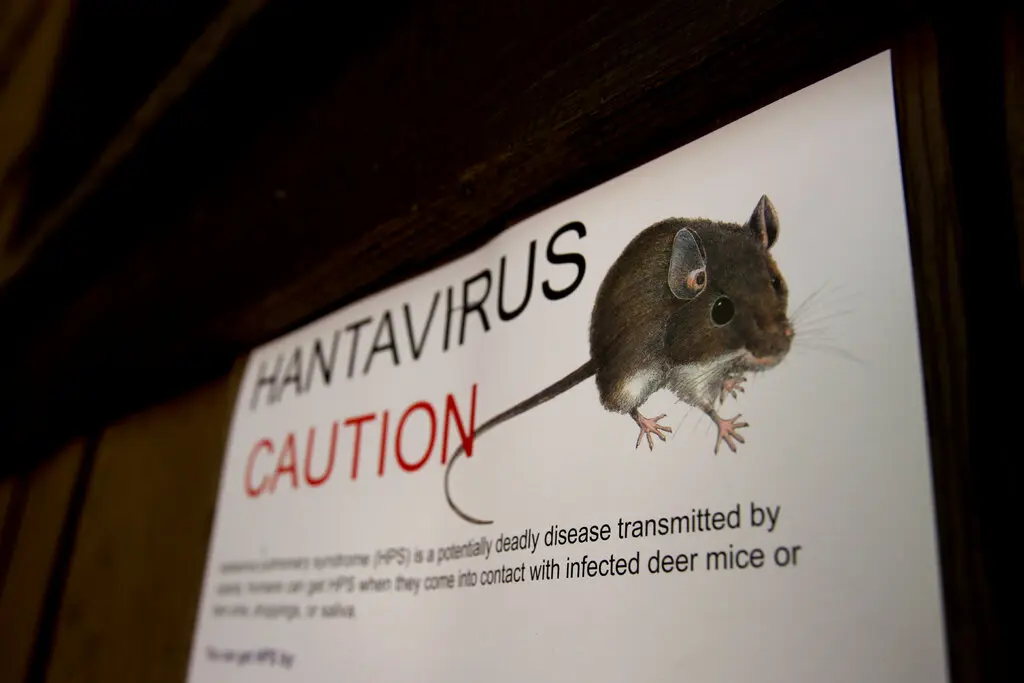
According to the World Health Organisation (WHO), hantaviruses are zoonotic viruses that naturally infect rodents and are occasionally transmitted to humans. Infection in people can result in severe illness and often death, although the diseases vary by type of virus and geographical location.
The outbreak began aboard the Dutch expedition cruise ship MV Hondius, which was sailing from Argentina through Antarctica and remote South Atlantic islands.
The deadly hantavirus outbreak drew international attention after several passengers developed severe flu-like and respiratory symptoms during the voyage.
Read More : Ukraine University Switches To Remote Classes
Authorities later confirmed that at least three people, including a Dutch couple and a German passenger, died from the virus, while several others were infected or suspected to be infected.
Health officials identified the strain involved as the Andes hantavirus, one of the rare hantaviruses capable of limited human-to-human transmission through very close contact.
However, the World Health Organisation (WHO) has assured that the risk of human-to-human transmission remains low.