Minister of Communications, Innovation and Digital Economy, Bosun Tijani. Credit: Punch.
The Nigerian Government has intensified pressure on telecommunications operators to improve service quality nationwide, warning that subscribers must begin to experience better connectivity and value for money.
Minister of Communications, Innovation and Digital Economy, Bosun Tijani, said the government has introduced reforms to stabilise the telecom sector and expects operators to address persistent network failures affecting millions of Nigerians.
“It is now the responsibility of telecom operators such as MTN Nigeria, Airtel Nigeria, Globacom, and T2 to take all necessary steps to resolve network challenges and deliver the level of service Nigerians expect,” Tijani said in a statement issued on Sunday.
The minister explained that the current administration inherited long-standing structural problems in the telecom industry, largely due to years of underinvestment in critical infrastructure.
Nigeria Pressures Telecom Firms Over Poor Network Service Credit: Guardian
According to him, these limitations contributed to poor connectivity and frequent service disruptions across the country.
To address the issue, Tijani said the government had implemented both short-term and long-term reforms aimed at transforming Nigeria’s digital infrastructure.
He disclosed that the government secured funding support led by the World Bank and established a framework under Project BRIDGE to expand open-access fibre-optic infrastructure nationwide.
“We have secured funding, led by the World Bank, and established the framework for a special purpose vehicle with Project BRIDGE, to deliver nationwide open access fibre infrastructure,” he stated.
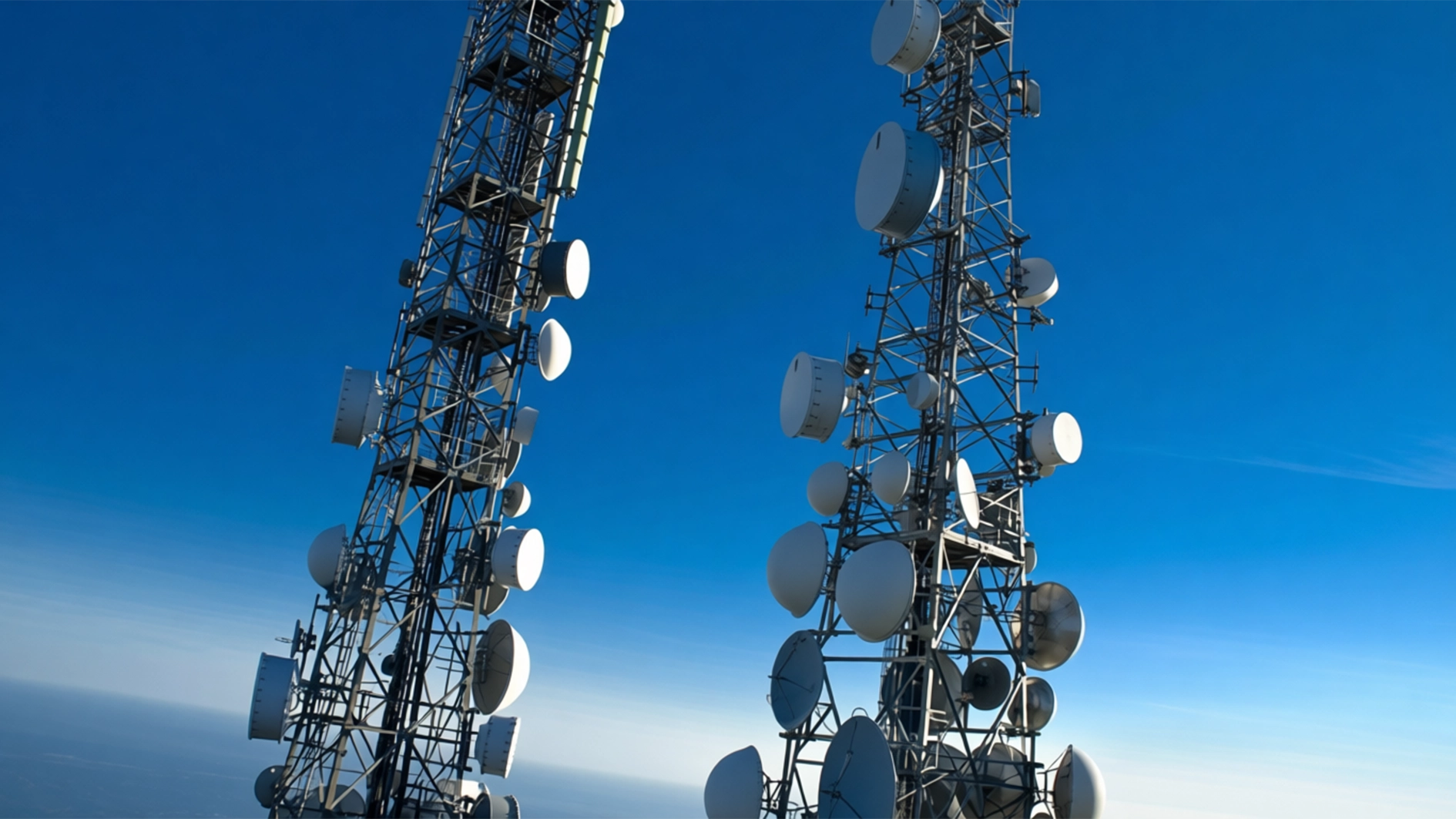
The minister added that fibre deployment and additional telecom tower rollout under NUCAP would begin before the end of the year, alongside plans to expand satellite connectivity capacity.
According to Tijani, the investments are expected to close major infrastructure gaps within the next two to five years and significantly improve internet access and network reliability nationwide.
He said the government’s objective is to ensure Nigerians can access stable, high-speed internet services at homes and businesses.
“A small business owner should be able to access reliable, high-speed fibre internet directly at their home or shop, not rely solely on dongles or unstable mobile connections,” he said.
Tijani also highlighted reforms already introduced to support the sector, including tariff adjustments, tax harmonisation policies, economic reforms, and the designation of telecom infrastructure as critical national infrastructure.
He noted that the reforms have helped operators return to profitability and created a more stable operating environment.
The minister said the Nigerian Communications Commission has been empowered to independently monitor performance, enforce compliance and sanction defaulting operators when necessary.
He warned that the government would increasingly rely on reports from the commission and consumer complaints to hold operators accountable.
“Nigerians should begin to see improvements in Quality of Service and get value that they paid for now, and in the future. And we will ensure that the sector delivers,” Tijani added.
Toyibat is a highly motivated Mass Communication major and results-oriented professional with a robust foundation in media, education, and communication. Leveraging years of hands-on experience in journalism, she has honed her ability to craft compelling narratives, conduct thorough research, and deliver accurate and engaging content that resonates with diverse audiences.
Weekly roundups. Sharp analysis. Zero noise. The NewsCentral TV Newsletter delivers the headlines that matter—straight to your inbox, keeping you updated regularly.
 Trending