Trending
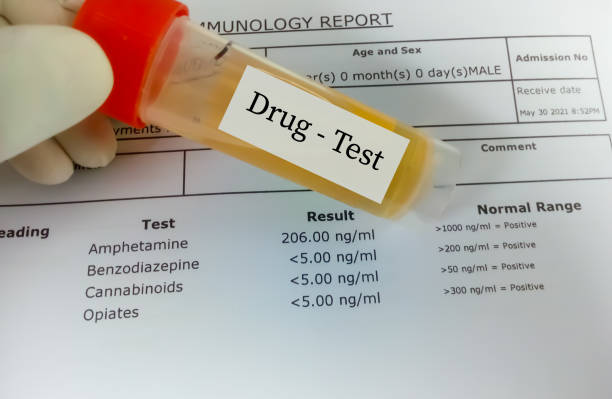
Nigeria has introduced mandatory drug testing for secondary school students, including entry-level screening and temporary suspension for those who repeatedly test positive after treatment, according to a government guideline.
The measures are contained in the National Implementation Guidelines Against Drug and Substance Use in Schools in Nigeria for secondary schools.
The guideline states that “all new students/learners shall be subjected to drug tests and other measures approved by the schools/learning centres at the point of entry,” adding that the process must be carried out “in collaboration with approved federal/state health facilities and procedures.”
In addition to entry-level screening, schools are expected to conduct periodic and impromptu drug tests for both new and returning students at least once every academic session.
“All students/learners shall undergo periodic drug tests as recommended by appropriate authorities,” the document states.
The guideline prohibits students from using or possessing narcotic drugs, controlled substances or other drugs of abuse without authorisation from school authorities.
“All students/learners are prohibited from using or being in possession of narcotic drugs, controlled drugs or substances of abuse without approval from the school authority,” it reads.
The policy establishes a three-stage testing and intervention process for students who test positive.
“The aim is to identify students who may need help and to promote a safe and healthy school environment,” the document states.
“Persons found to be positive to drugs shall undergo the initial intervention and treatment, which shall include counselling as might be found appropriate by the school authority.”
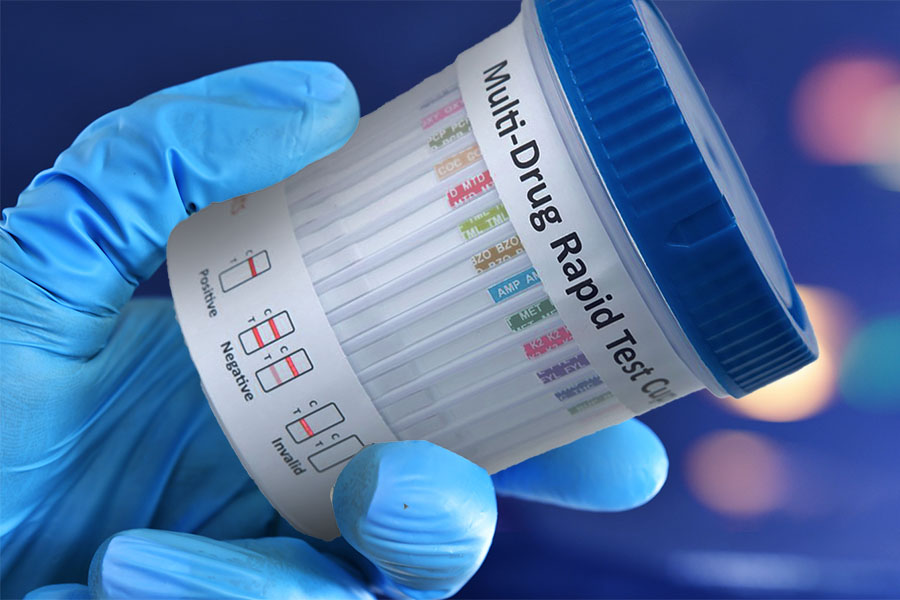
Those who test positive a second time will be referred to professionals for further treatment. “If found positive again, such a student shall be referred to a professional by the school authority to take appropriate treatment and attention that might be required.”
For students who continue to test positive after a third round, the policy provides that “such a student shall be temporarily suspended from the school environment to take treatment from a professional and undergo rehabilitation.”
The policy also introduces mandatory pre-test and post-test counselling for students undergoing screening.
“Pre-test counselling is the guidance given before a person undergoes a drug integrity test. It aims to prepare the individual, clarify expectations, reduce anxiety, encourage cooperation and build trust,” the document states.
“Post-test counselling happens after results are available, regardless of whether the test is positive or negative. The goal is to support the individual to accept the result and link them to the right help.”
Every school is expected to establish a disciplinary committee headed by the school administrator.
Violent incidents linked to substance abuse, including fighting or inflicting injuries, “shall be reported to the law enforcement agents,” the guideline states.
Students who refuse to comply with prescribed treatment or rehabilitation procedures will be temporarily separated from the school environment “until he/she is found to be stable.”