Trending
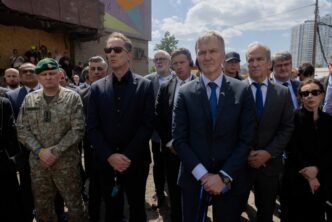
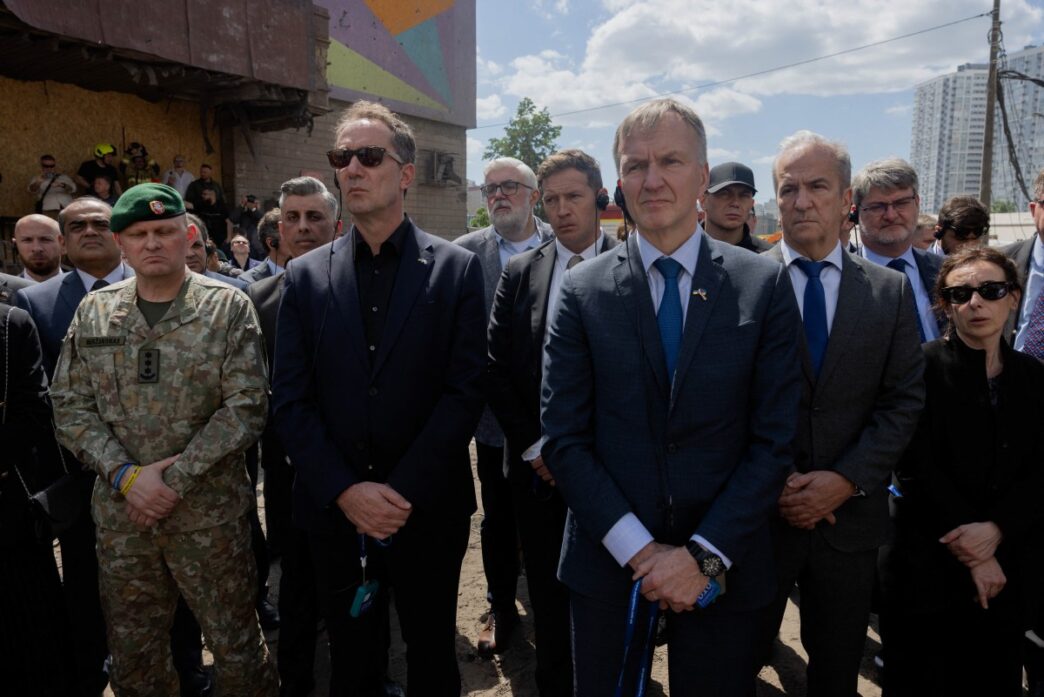
Russia is facing growing international pressure after dozens of European countries, alongside Australia, Costa Rica and the European Union, agreed to support a future special tribunal aimed at prosecuting Moscow over its invasion of Ukraine.
The decision was announced on Friday after the Council of Europe’s Committee of Ministers approved a resolution laying the foundation for the tribunal, which is expected to investigate and prosecute the “crime of aggression” linked to Russia’s 2022 invasion of Ukraine.
According to the Council of Europe, 34 member states, together with the EU as an institution, Australia and Costa Rica, have expressed their intention to join the agreement establishing the court.
Read More : ICC Condemns US Sanctions
Ukrainian President Volodymyr Zelensky signed an agreement with the Council of Europe last year to establish the tribunal, as Kyiv continues to push for accountability over the war.

Council of Europe Secretary General Alain Berset described the move as a significant step towards justice. “The time for Russia to be held to account for its aggression is fast approaching,” Berset said. He added that the tribunal “represents justice and hope,” while stressing that further action was needed to secure its operations and funding.
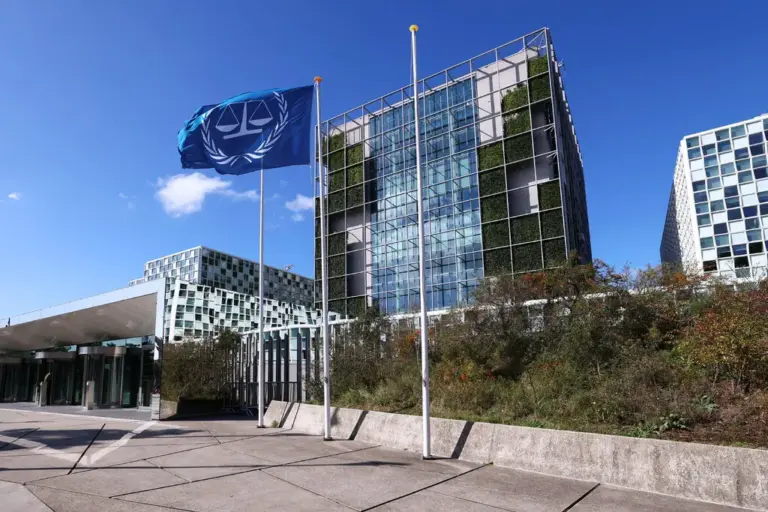
The tribunal could, in theory, prosecute senior Russian officials, including Russian President Vladimir Putin. While the International Criminal Court has already issued arrest warrants for Putin over the alleged abduction of Ukrainian children and attacks on civilians, the ICC does not have the authority to prosecute Russia specifically for launching the invasion itself.
Russia was expelled from the Council of Europe shortly after the invasion began in 2022. However, not all member states have backed the tribunal initiative. Twelve countries have yet to join the agreement, including Hungary, Slovakia, Bulgaria, and Malta, as well as Turkey and several Balkan and Caucasus nations.
The move signals continued European efforts to pursue legal accountability as the war in Ukraine remains unresolved more than four years after Russia’s invasion began.