Trending
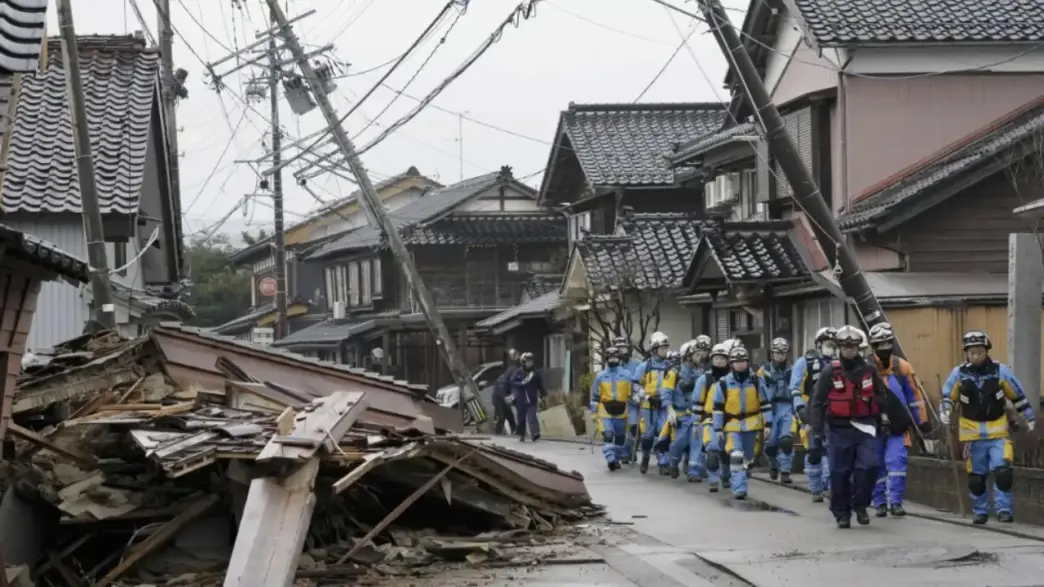
A strong 6.3-magnitude earthquake struck off the coast of northern Japan on Friday, according to the Japan Meteorological Agency (JMA).
The tremor occurred at 8:22 pm local time in the Pacific waters off the northern Miyagi Prefecture.
Fortunately, authorities issued a tsunami warning, and there were no immediate reports of casualties or major structural damage following the event.
Read More : Trump Spokeswoman Confirms Bar Exam Failure
Despite the lack of immediate destruction, the seismic event caused temporary disruptions to the region’s transportation infrastructure.
The East Japan Railway announced the immediate suspension of its high-speed Shinkansen bullet trains as a safety precaution.
Meanwhile, public broadcaster NHK confirmed that monitoring teams detected no operational abnormalities or safety risks at the nuclear power plants located across Miyagi and Fukushima prefectures, situated roughly 125 kilometres from the quake’s epicentre.
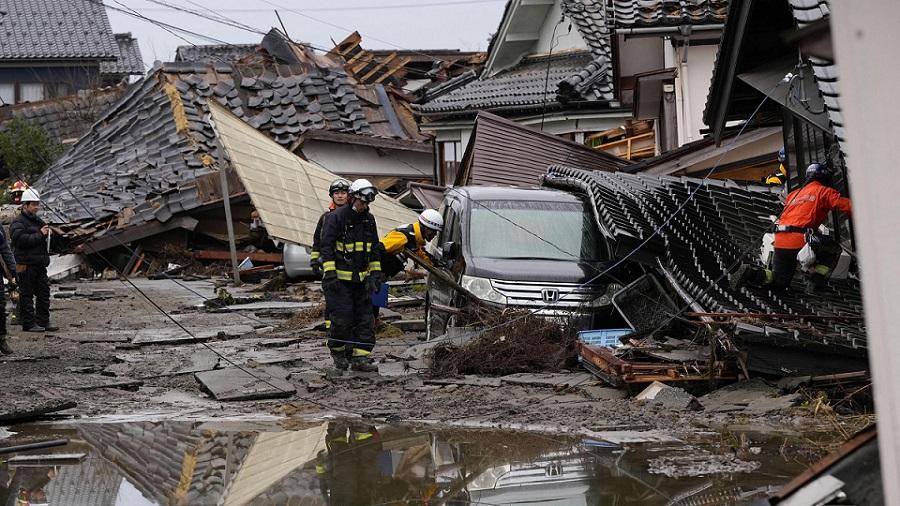
This latest tremor follows a powerful 7.7-magnitude earthquake that jolted the exact same region in April, an event that had triggered a widespread tsunami alert at the time.
Although the JMA recently lifted the special emergency warning implemented after that April tremor, seismologists continue to caution residents that another major earthquake could still impact the area in the near future.
Read More : Thai Demonstrators Challenge IMF, World Bank
Japan remains one of the most seismically volatile nations on Earth due to its geographic position atop four major tectonic plates along the Pacific “Ring of Fire.”
While the country enforces incredibly strict building codes designed to withstand severe tremors, the nation remains deeply impacted by the memory of the catastrophic 9.0-magnitude undersea earthquake in 2011.
That historic disaster unleashed a massive tsunami that left nearly 18,500 people dead or missing and triggered a severe meltdown at the Fukushima nuclear facility.