Trending
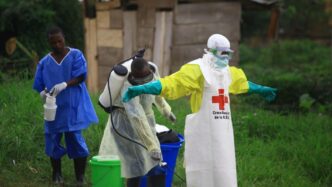
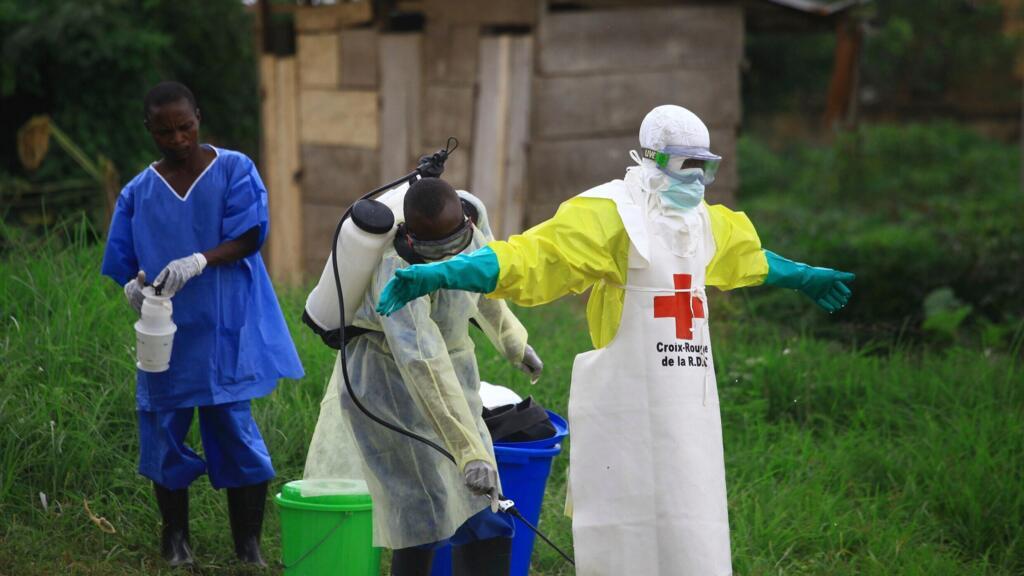
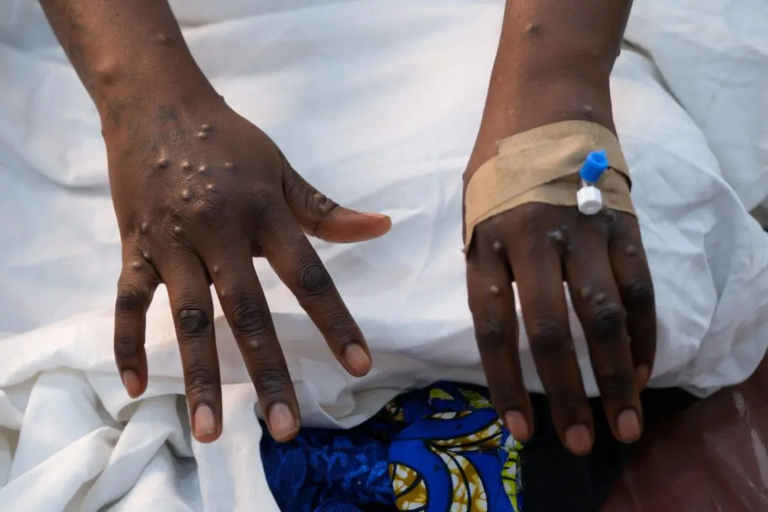
The Democratic Republic of Congo’s health minister, Samuel-Roger Kamba, warned Saturday that the country’s latest Ebola outbreak, which has already claimed at least 80 lives, is caused by a strain with no available vaccine or specific treatment.
Kamba revealed that the current epidemic involves the highly contagious Bundibugyo strain, which carries an alarmingly high lethality rate of up to 50 per cent.
Nearly 250 suspected cases of the haemorrhagic fever have been recorded so far, sparking deep concern among international health agencies as the virus begins to spill across international borders.
Read More : France to Step Up Ebola Funding in DR Congo
The outbreak has officially spread to neighbouring Uganda, where a 59-year-old Congolese national tragically died in Kampala after being admitted to a medical facility earlier in the week.
Laboratory tests confirmed he was infected with the Bundibugyo variant, a strain first identified in 2007.
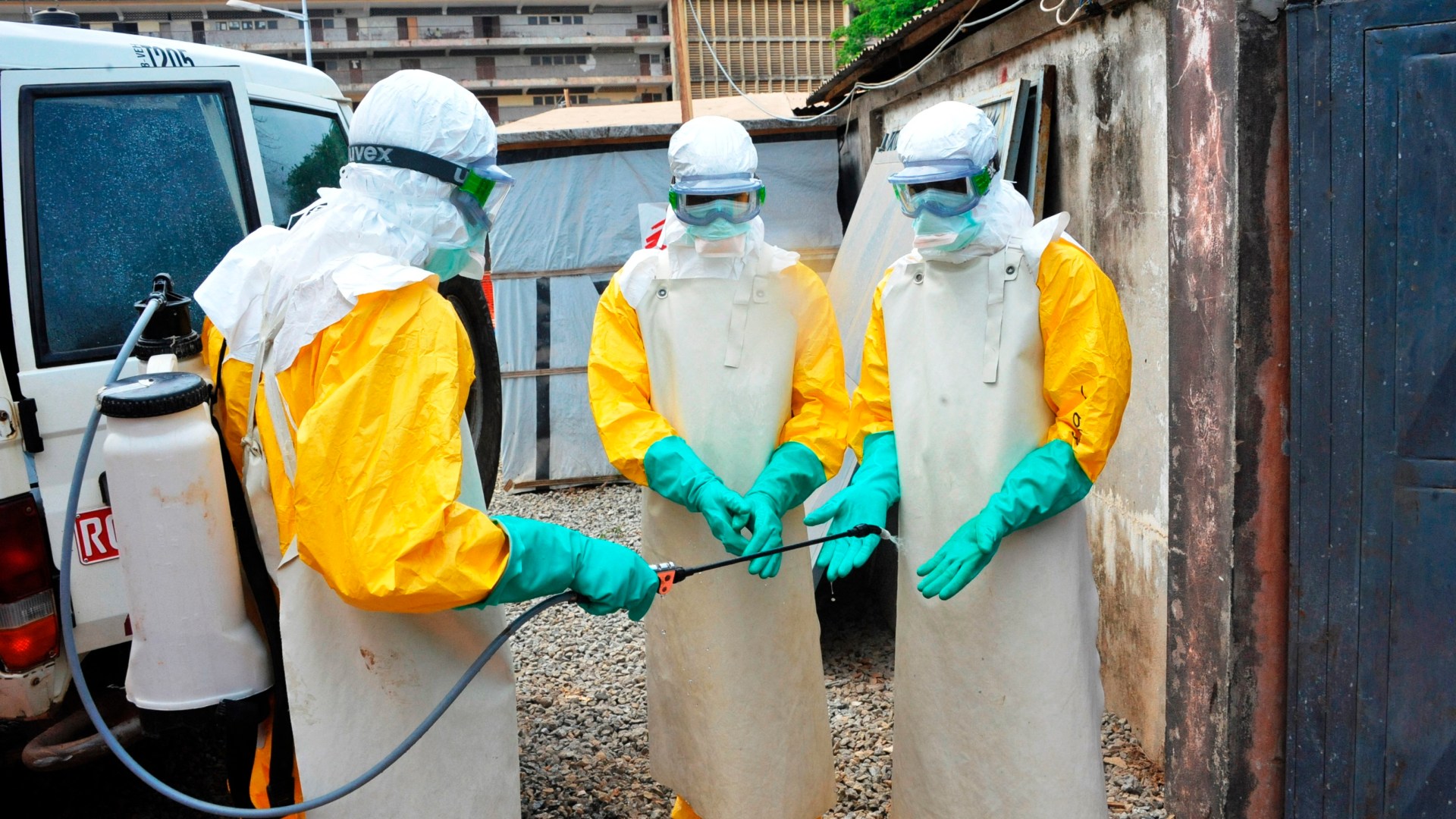
Health officials are highly alarmed because existing, highly effective Ebola vaccines only target the Zaire strain, leaving medical teams without a preventative pharmaceutical defence against this current surge.
The crisis is centred in the northeastern DRC’s Ituri province, a region characterised by heavy cross-border population movements that complicate containment efforts.
According to Kamba, patient zero was a nurse who sought treatment in the provincial capital of Bunia on April 24, displaying classic Ebola symptoms, which include severe fever, vomiting, and internal bleeding.
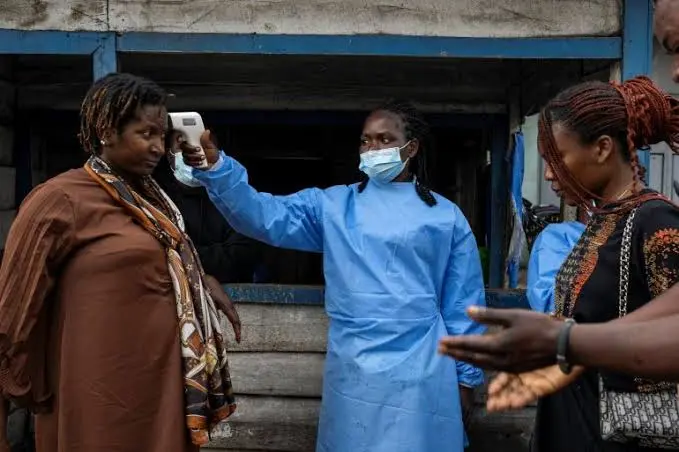
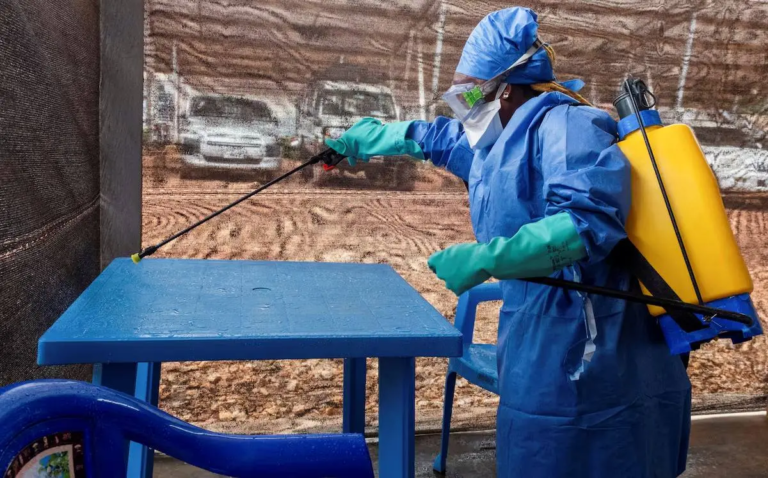
The World Health Organisation and Doctors Without Borders (MSF) are actively mobilising to launch a large-scale emergency response, airlifting metric tonnes of infection prevention gear and deploying specialised staff to the region.
Read More : DR Congo Ebola Deaths Surpass 4,000
This marks the 17th Ebola outbreak in the DRC’s history, arriving just months after a central region outbreak was successfully eradicated in December.
Containing the virus presents massive logistical hurdles, as the DRC spans a massive geographical area with severely underdeveloped transport and communications infrastructure.
With the incubation period lasting up to 21 days and the death toll jumping rapidly from 65 to 80 in a single day, global health bodies warn that the risk of community transmission remains exceptionally high.