Trending


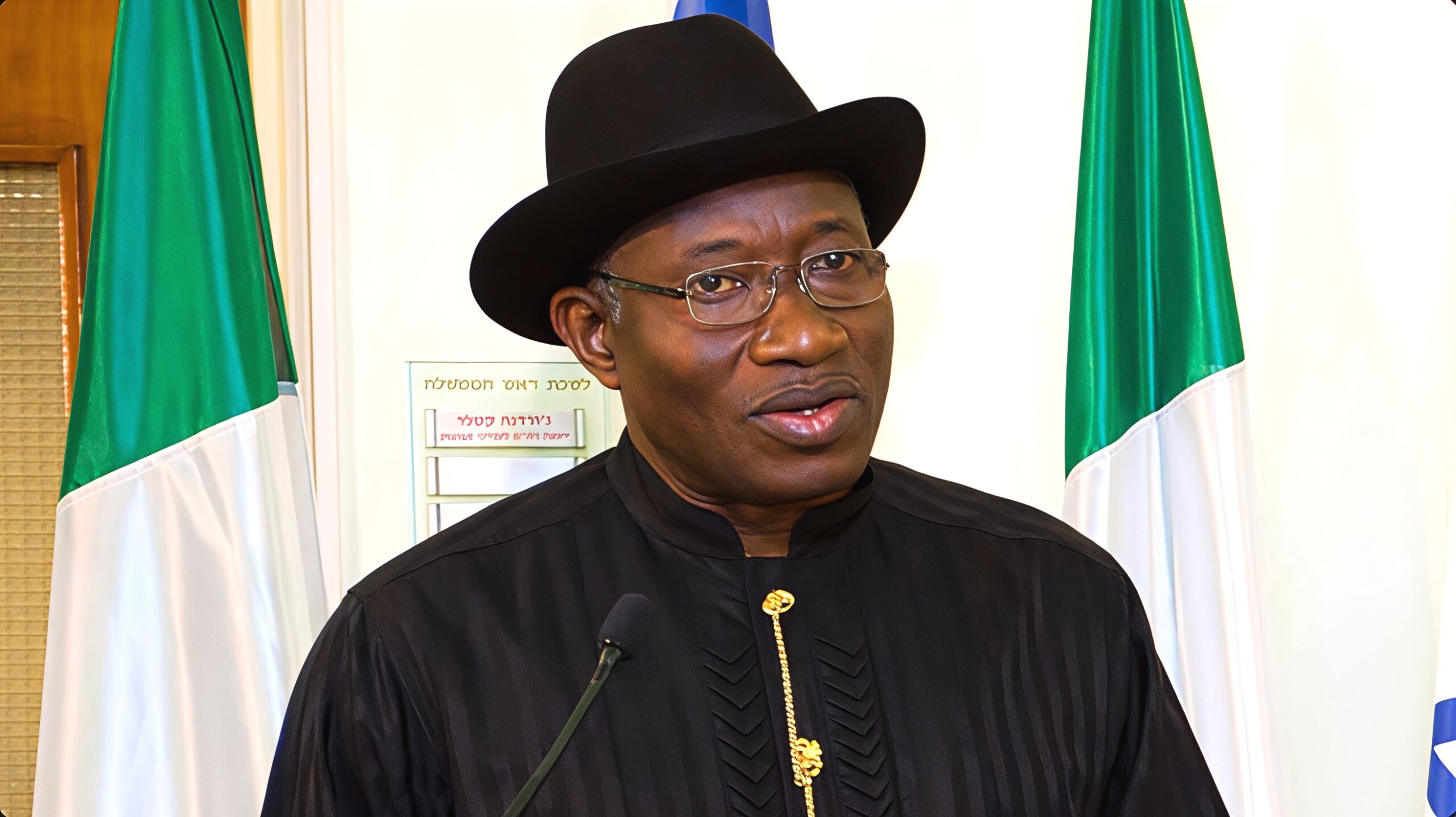
The Federal High Court in Abuja has fixed May 26, 2026, to deliver judgment in the suit challenging former President Goodluck Jonathan’s eligibility to contest the 2027 presidential election.
The presiding judge, Justice Peter Lifu, on Monday scheduled the matter for judgment after all parties had adopted their briefs of argument.
As the Attorney-General of the Federation (AGF), who was listed as a defendant in the matter, agreed with former President Jonathan in seeking the suit’s dismissal, the Independent National Electoral Commission (INEC) shunned the legal action, as it had no legal representation in court.
Both the AGF and Jonathan asked the court to award substantial costs against the plaintiff, who is an Abuja-based lawyer. They also opposed a motion seeking the judge’s recusal on the grounds of bias. The plaintiff had in the suit marked FHC/ABJ/CS/ 2102/2025, suggested a lone question for the court to determine:
“Whether in view of the combined provisions of the entirety of Sections 1(1), (2) & (3) and 137(3) of the 1999 Constitution of the Federal Republic of Nigeria as amended and their conflated interpretation, the 1st Defendant is eligible, under any circumstances [whatsoever] to contest for the office of the President of the Federal Republic of Nigeria?”
Regarding the determination of the question, he sought, among other reliefs:
“An order of perpetual injunction of this Honourable Court restraining the first Defendant [Goodluck Ebele Jonathan] from presenting himself to any political party in Nigeria for nomination as its candidate for the general election into the office of the President of the Federal Republic of Nigeria, holding in 2027 and other years to come.
“An order of perpetual injunction of this Honourable Court restraining the 2nd Defendant [INEC] from either accepting from any political party in Nigeria the name of the 1st Defendant [Goodluck Ebele Jonathan] or publishing same as a candidate for election into the office of the President of the Federal Republic of Nigeria holding in 2027 and other years to come.”
Including, “an order of this Honourable Court directing the 3rd Defendant [Honourable Attorney-General of the Federation] to ensure compliance with the decisions and Orders of this court.”
In an affidavit of facts that was dismissed in support of the suit by one Emmanuel Agida, the plaintiff contended that if Jonathan wins the 2027 presidential election, which is for a term of 4 years spanning 2027 to 2031, he will have exceeded 8 years, being the cumulative maximum years a Nigerian President is statutorily permitted to stay in office.
Read More : Zamfara Police Arrest Youth Over Video Threat
“That the Plaintiff believes that the 1st defendant, having completed the unexpired term of late President Yar’Adua and subsequently served a full term after the 2011 election, has exhausted the constitutional limit of two tenures as President. That if the court does not intervene timeously, a political party may present the 1st defendant as its presidential candidate in the 2027 general election, thereby breaching the Constitution.
“In the event the 1st defendant is returned as elected and sworn as the President of the Federal Republic of Nigeria come in 2027, it will mark the 3rd time the 1st defendant will be taking the oath of office as the President of the Federal Republic of Nigeria,” he stated.
Justice Lifu said the court will deliver its ruling on the objections alongside the final judgment in the suit.