Trending

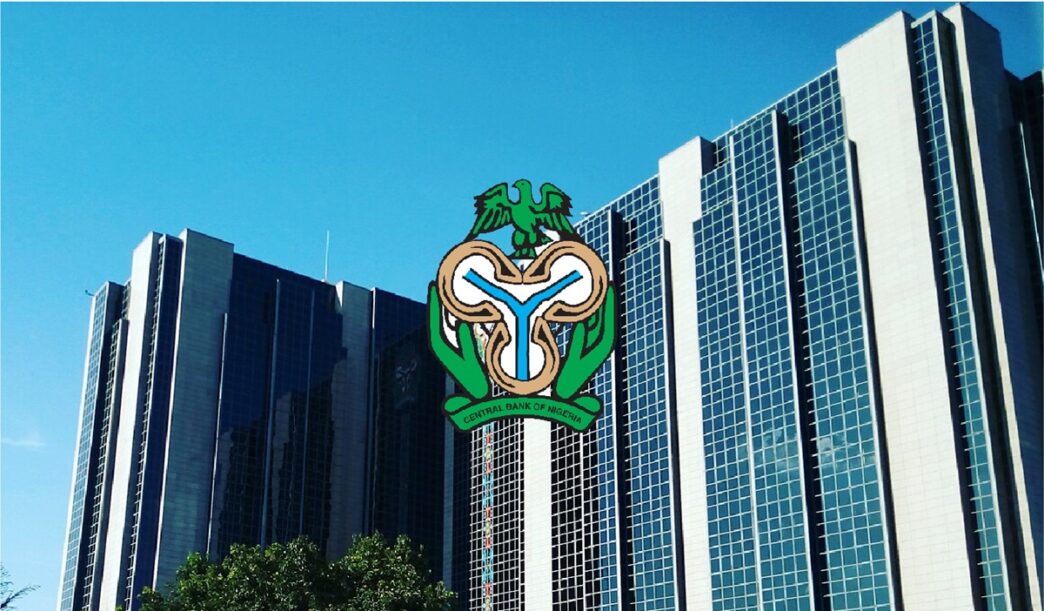
The Monetary Policy Committee (MPC) of the Central Bank of Nigeria (CBN) has maintained the Monetary Policy Rate (MPR) at 26.5 percent, saying recent inflationary pressures are largely driven by external economic shocks.
CBN Governor Olayemi Cardoso announced the decision on Wednesday in Abuja after the 305th MPC meeting, noting that all 11 members were present.
He said the committee reviewed global and domestic economic conditions and decided to keep all key policy tools unchanged, including the asymmetric corridor around the MPR at +50/-450 basis points.
The committee further retained the cash reserve ratio (CRR) for deposit money banks at 45 per cent, merchant banks at 16 per cent, and non-TSA public sector deposits at 75 per cent.
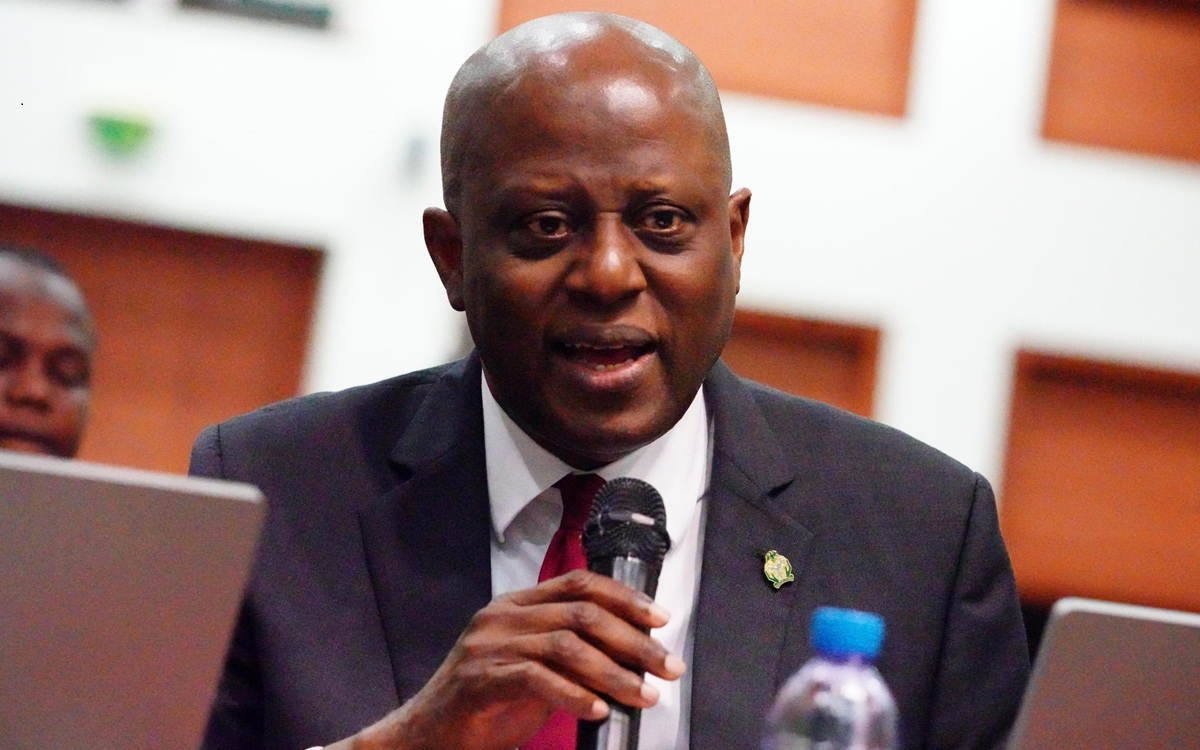
According to the committee, the policy stance reflects a careful balance aimed at sustaining stability while responding to emerging risks in the economy.
Cardoso explained that although inflation has recorded slight increases in recent months, the MPC considers the movement temporary and influenced mainly by global developments, particularly disruptions linked to geopolitical tensions.
“The MPC recognises its transitory nature and remains confident that the current macroeconomic environment is sufficiently robust to support a return to disinflation,” Cardoso said.
He noted that spillovers from the Middle East crisis have pushed up energy and transport costs globally, but said Nigeria has been partly insulated due to recent economic reforms.
He added that improvements in exchange rate stability, stronger external reserves, banking sector resilience, and ongoing fiscal adjustments have helped reduce the impact of global shocks on domestic prices.
“However, indications are that the impact of the crisis on the Nigerian economy has been minimal due to the benefits of prior policy reforms,” he said.
“These include exchange rate stability, improvements in external reserve buffers, strengthened monetary policy transmission, well-capitalised banking system, and ongoing fiscal consolidation, which have significantly bolstered the economy’s ability to absorb external shocks.”
The CBN governor said these reforms have limited how strongly international price increases pass through to the Nigerian economy, adding that conditions still support a gradual return to lower inflation.
Read More : Zamfara Police Arrest Youth Over Video Threat
The committee also welcomed Nigeria’s recent sovereign rating upgrade, describing it as a sign of improved macroeconomic fundamentals and confidence in the country’s policy direction.
It further maintained that a cautious monetary approach remains necessary to manage inflation expectations and safeguard overall stability.
Cardoso also noted that the successful completion of the banking sector recapitalisation exercise has strengthened the financial system.