Trending
The upcoming week presents a highly varied outlook for major African currencies, with traders predicting depreciation for the Ghanaian cedi, Kenyan shilling, and Ugandan shilling, while Nigeria’s naira holds steady and Zambia’s kwacha stands to gain ground.
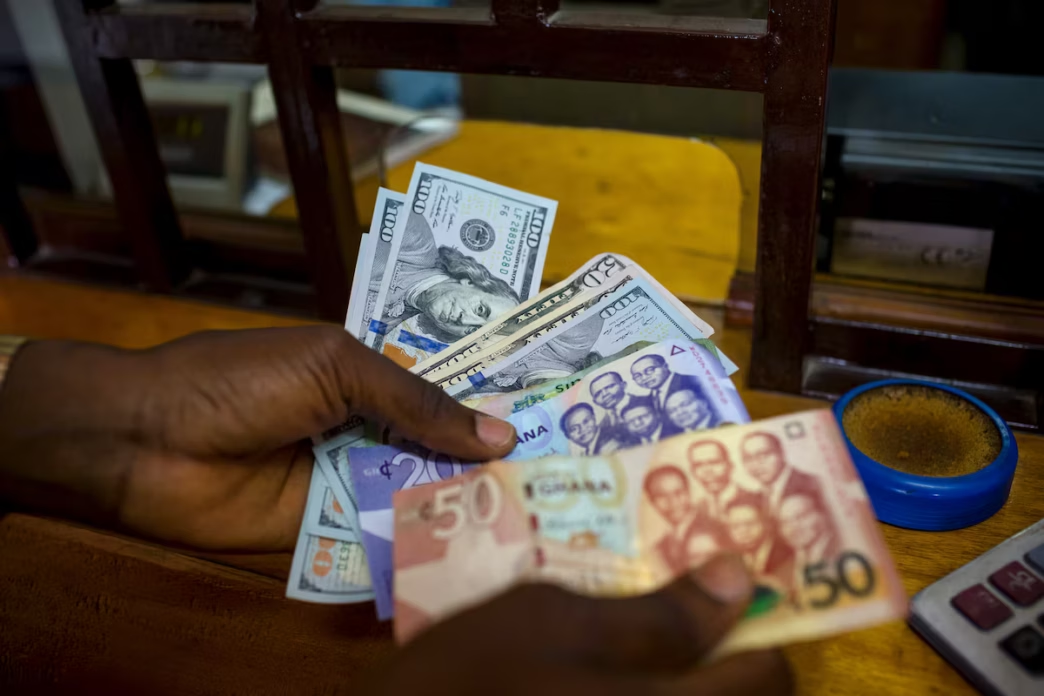
In Ghana, the cedi has already slipped from 11.30 to 11.56 against the US dollar over the past week.
This downward pressure is expected to intensify due to a massive backlog of unfilled corporate demand for hard currency—evidenced by central bank auction bids surpassing $500 million—as energy firms and importers struggle under high oil prices exacerbated by the war in Iran.
Read More : Africa Targets Cheaper Cross-Border Flights
A similar convergence of geopolitical and domestic pressures is straining East African currencies.
The Kenyan shilling, currently hovering around 129.25/129.55 per dollar, faces an end-of-the-month spike in dollar demand alongside significant local risks, including an ultimatum from public transport operators threatening strikes if the government does not lower fuel prices by Tuesday.

Meanwhile, the Ugandan shilling has weakened to 3,775/3,785 against the greenback, heavily undercut by aggressive manufacturing and energy sector dollar demands tied directly to soaring global petroleum costs triggered by the ongoing Middle East conflict.
In contrast, the continent’s major resource exporters are demonstrating greater resilience.
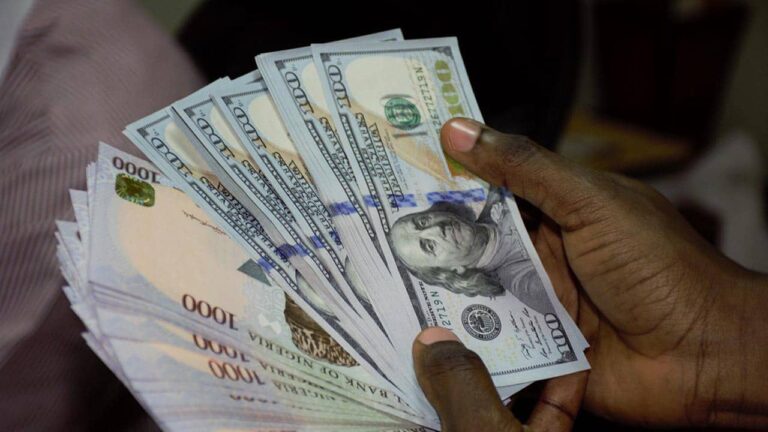
Nigeria’s naira is projected to remain broadly stable, currently trading at 1,373 on the official market and 1,395 on the street, supported by balanced supply and subdued commercial demand for dollars.
Conversely, Zambia’s kwacha is poised for potential gains after holding steady at 19.01 per dollar this week.
Analysts expect the kwacha to strengthen in the coming days, buoyed by robust hard-currency inflows from global financial institutions and the nation’s vital copper mining sector.