Trending
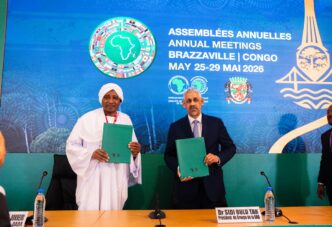
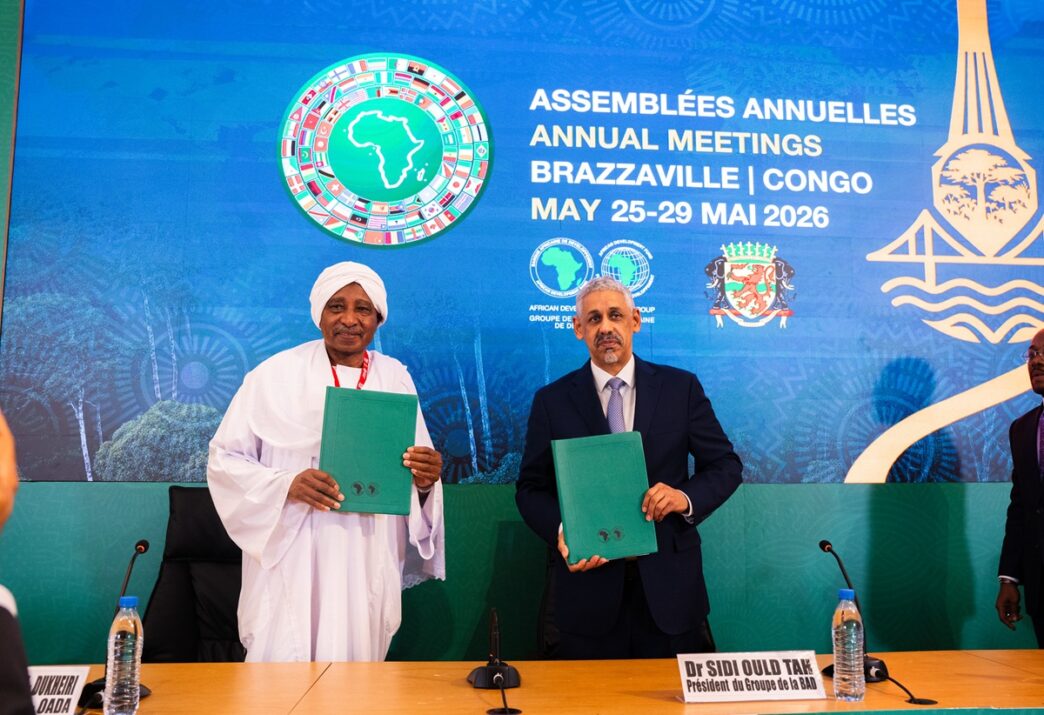
Delegates at the African Development Bank (AfDB) Annual Meeting in Brazzaville have called for Africa to reduce reliance on external assistance and strengthen its capacity to finance development through domestic capital mobilisation.
The AfDB annual meeting, taking place at the Kintele International Conference Centre from 25 to 29 May 2026, with the theme “Mobilising Africa’s Development Financing at Scale in a Fragmented World,” is focused on tackling Africa’s growing development financing gap at a time of increasing global economic fragmentation and uncertainty.
News Central Correspondent Chamun Dabeng, reporting from the conference, said discussions at the event are focused on how the continent can sustain its development agenda despite shrinking global aid and rising borrowing costs.
“Now, delegates here in Brazzaville say the conversation this year is centered on one fundamental question.
“How can Africa finance its own development at a time when global aid is shrinking and borrowing costs are extremely high?”she said.
She noted that many participants believe Africa must urgently tap into internal financial resources rather than rely heavily on external support.
As borrowing costs remain high and foreign aid declines, delegates in Brazzaville say the New African Financial Architecture for Development could become a major tool for financing Africa’s long-term development goals. Chamun Dabeng reports. pic.twitter.com/GTbMxcMl1H
— News Central TV (@NewsCentralTV) May 27, 2026
“Many participants are arguing that the continent can no longer rely on external assistance and must instead unlock domestic sources of capital, including pension funds, sovereign wealth funds, private sector investment,” she said.
Dabeng explained that Africa’s development financing needs are estimated at about $400 billion annually, covering key sectors such as infrastructure, energy, agriculture, and climate-related projects.
“Africa’s development financing is estimated at about $400 billion annually, and this affects infrastructure, energy, agriculture, as well as climate projects when there isn’t enough money to carry them out,” she stated.
She added that one of the major proposals gaining traction is a new financing model introduced by the African Development Bank. Dabeng explained that the framework, known as the New African Financial Architecture for Development, seeks to mobilise Africa’s estimated $4 trillion in institutional capital.
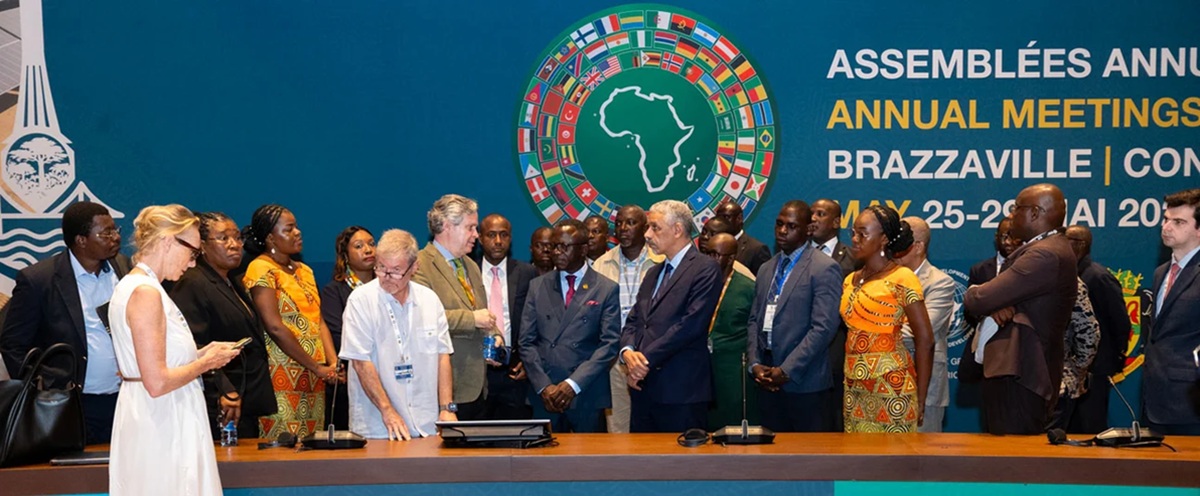
Supporters of the initiative believe it could help channel African savings into productive investments across the continent
“So a major proposal currently gaining attention is the African Development Bank’s new financing framework known as NAFAD.
“That’s the new African financial architecture for development, and that’s aimed at mobilizing and pooling Africa’s estimated $4 trillion in institutional capital,” she said.
“So supporters are saying that the initiative could help channel African savings into bankable projects across the continent.”
However, she noted that some experts caution that domestic financing alone may not be sufficient to meet the continent’s huge needs.
Some economists, she added, argue that African countries must strategically combine local capital with foreign investment to reduce risk and improve project viability.
“But there is a but. Delegates are also stressing that domestic financing alone may not be enough.
“So some economists are saying that Africa must use local capital strategically to attract more foreign investment and reduce project risk through stronger policies and guarantees,” she said.
Dabeng further stated that the overall message from the conference is a strong push toward financial independence.
“So overall, the message from Brazzaville has been very, very clear,” she said.
“Africa is pushing for greater financial sovereignty and looking inward for sustainable ways to fund its development agenda.”