Trending
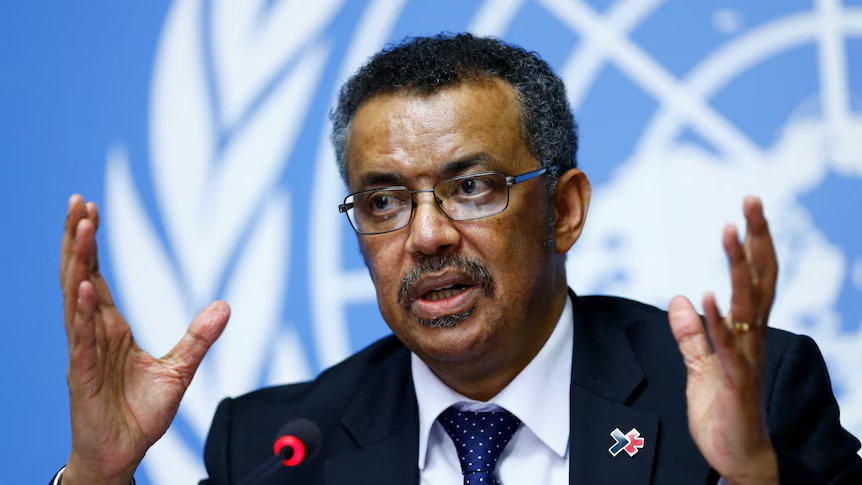
The case fatality rate in the Democratic Republic of Congo’s current Ebola outbreak remains under 25 per cent, marking a significantly lower mortality rate than previous epidemics, according to a World Health Organisation (WHO) update.
The UN health agency revealed on X that while the Central African country has recorded more than 1,000 suspected and confirmed cases since mid-May, rapid medical responses are keeping the death toll lower than historical averages.
Eastern #DRC now faces a catastrophic collision of disease and conflict with the #Ebola outbreak in Ituri province outpacing the response.
Read More : DR Congo Ebola Spreads to Eighth Province
The Ebola Bundibugyo virus has no approved vaccine nor treatment. Stopping this Ebola transmission depends entirely on humanitarian access.… pic.twitter.com/FGnQYIq6CH
— Tedros Adhanom Ghebreyesus (@DrTedros) May 27, 2026
The WHO data showed 10 confirmed Ebola deaths and 223 suspected fatalities in the DRC, alongside one confirmed death and seven infections in neighbouring Uganda.
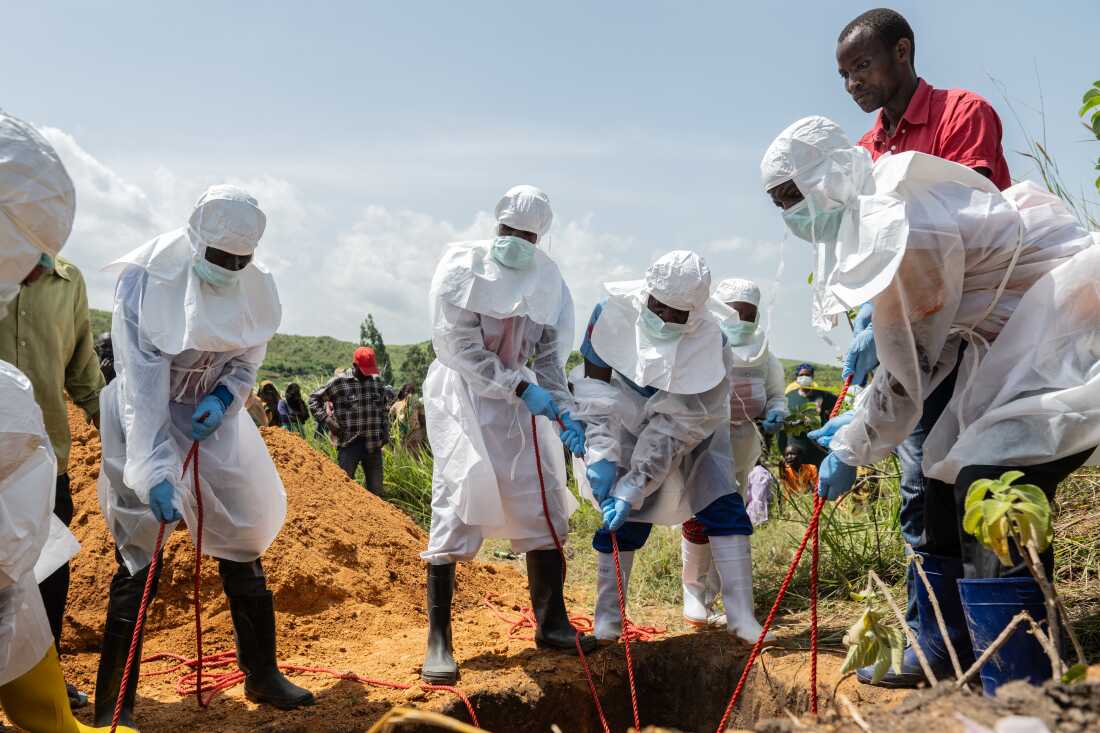
The agency highlighted that the current fatality rate stands at 24.6 per cent among suspected cases and just 9.8 per cent among laboratory-confirmed cases.
This statistical decline is unusual given that the region is currently battling the rare Bundibugyo strain, which completely lacks any approved vaccines or treatments.
Historically, the DRC has suffered from the Zaire strain of Ebola, which carries a devastating 60 to 90 per cent fatality rate but can be managed with existing vaccines.
Previous outbreaks of the Bundibugyo strain in 2007 and 2012 also claimed more lives, with mortality rates ranging between 30 and 50 per cent.
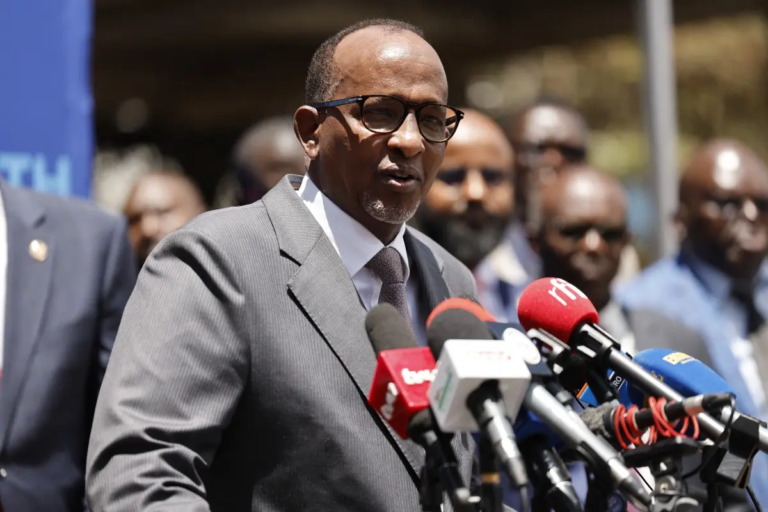
WHO emergency alert and response director Abdi Rahman Mahamud explained that early detection and prompt clinical care are successfully saving lives and driving down death rates as this outbreak progresses.