Trending
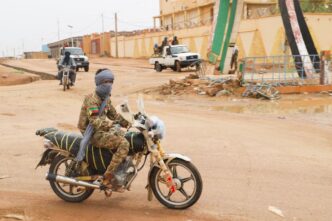
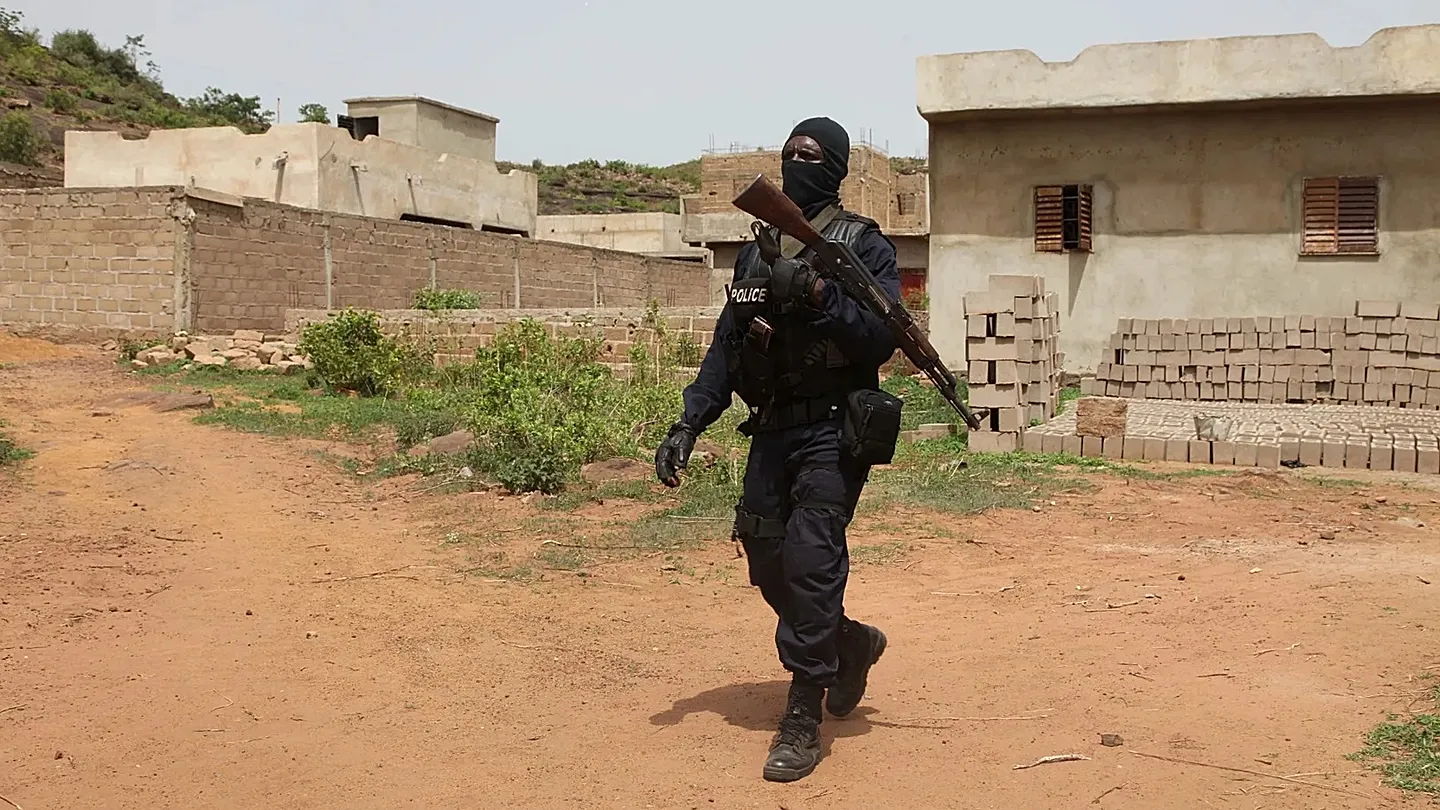
Mali has introduced a sweeping restriction on motorcycles outside major urban areas as the country confronts a worsening insurgency.
Announced on national television on Wednesday, the government ordered that “the circulation of motorcycles with an engine capacity of 125 cc and above, outside major urban centres, is suspended throughout the entire national territory.” Exceptions were made for Bamako, regional capitals, and select urban locales.
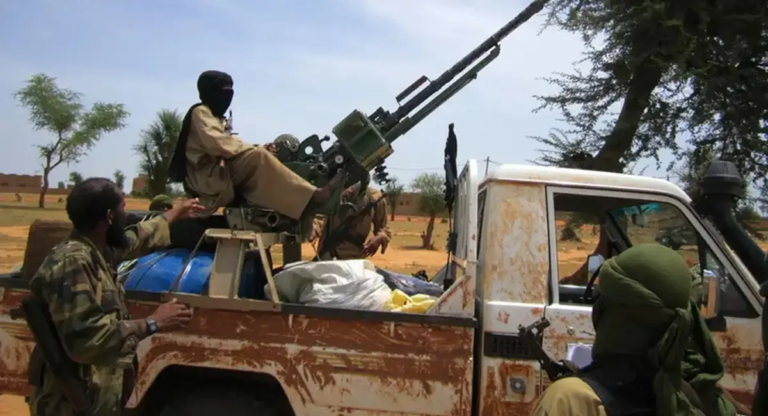
Authorities also imposed a nationwide suspension on the “import, transit, marketing, sale and free distribution” of motorcycles with engines of 125 cc or above, including their accessories. The measures come as motorcycles remain a key transport tool for insurgent groups in Mali, who have used them to conduct rapid attacks and enforce blockades on strategic routes leading into the capital, Bamako.
Read More : Gunmen Kill 40 Civilians in Mali

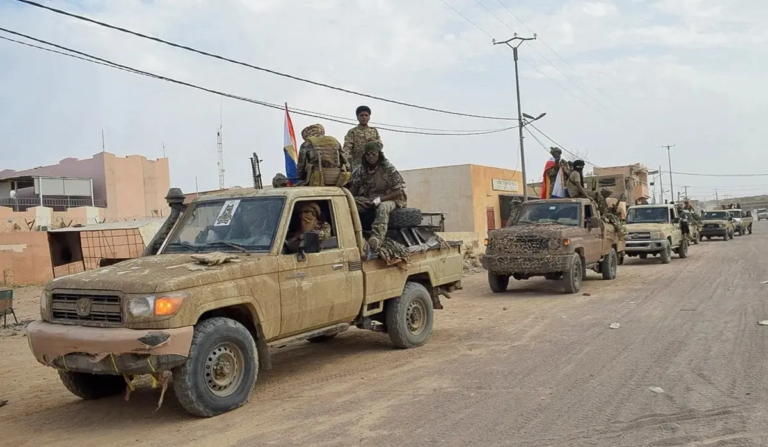
The security situation in Mali has sharply deteriorated following coordinated attacks on the ruling military junta on April 25 and 26 by Al-Qaeda-linked groups and Tuareg separatists. Since April 30, insurgents have blocked major highways into Bamako, torching dozens of buses and freight trucks, disrupting movement and trade.
Northern regions have been particularly affected, with armed groups seizing towns including the strategic city of Kidal. These developments represent a significant challenge to the junta that took power in 2020, undermining efforts to stabilise the country and safeguard civilians.
The motorcycle ban reflects the government’s attempt to curb insurgents’ mobility and protect vulnerable communities.
Security experts argue that restricting access to high-capacity motorcycles, a common tool for rapid attacks, may reduce the operational reach of insurgent groups, though enforcement in remote areas remains daunting.