Trending
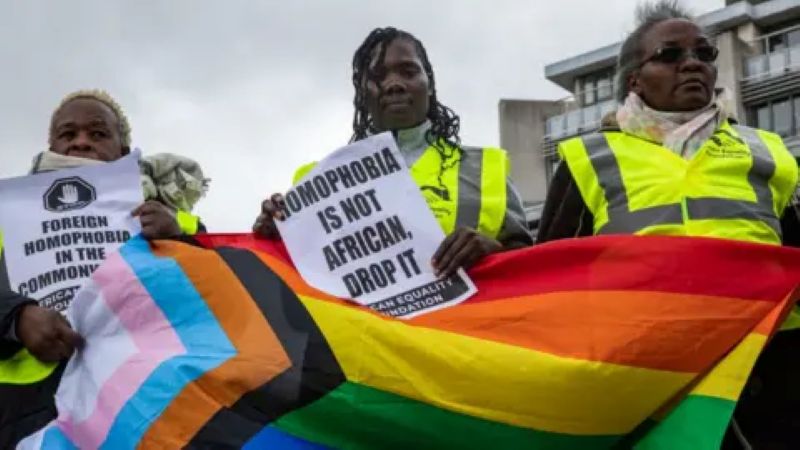
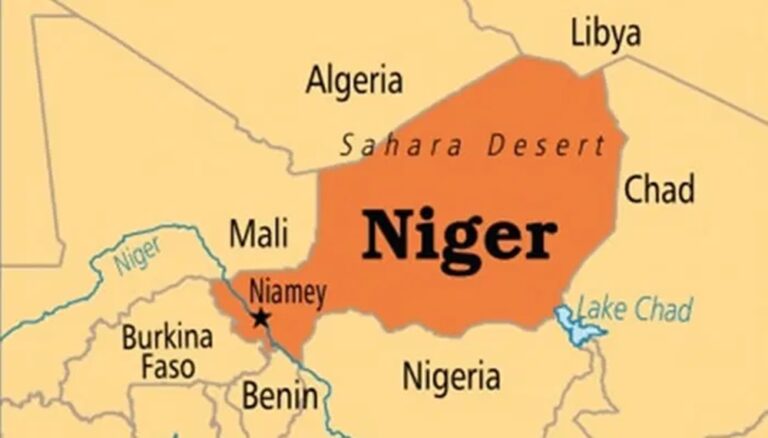
Military-run Niger has enacted a sweeping new penal code criminalising same-sex relations, imposing heavy jail sentences and fines, following a trend among several West African nations to adopt tough anti-LGBTQ legislation.
Previously, despite being a largely taboo subject, same-sex relations had not been formally illegal in Muslim-majority Niger.
The new law introduces penalties of five to 10 years in prison and fines for anyone committing or attempting “an indecent or unnatural act” or engaging in LGBTQIA+ practices. Those entering same-sex marriages face 10 to 20 years in prison, while organisers of clubs or associations for LGBTQIA+ people face the same sentence.
Read More : Niger Replaces Military Chief After Mutiny
The law also targets anyone who “artificially changes or attempts to change their birth sex.”
Justice Minister Alio Daouda defended the legislation, saying Niger had acted “in full responsibility and sovereignty” because same-sex relations do not “conform to its social and cultural values.” He noted that Niger had previously outlined its position at the UN Human Rights Council in Geneva.

The reform builds on measures started under former civilian president Mohamed Bazoum, who faced pressure from lawmakers and Muslim groups. Last year, two women were jailed for “public indecency” in what observers say was a case linked to same-sex relations. Prosecutors had initially sought a three-year sentence before appealing their acquittal.
Read More : Niger Military Suppresses Capital Mutiny
General Abdourahamane Tiani, who has led the military government since the July 2023 coup, has emphasised an anti-Western agenda.
Other recent actions by the government include removing certain sex-education lessons from schools and deleting an app designed to raise awareness about women’s sexual and reproductive health, citing conflicts with national values.
Niger joins a growing list of West African nations imposing stricter penalties on LGBTQIA+ communities. Burkina Faso enforces five-year sentences, Ghana plans three-year terms, and Senegal recently doubled its maximum penalty. Human rights advocates have raised concerns over the legal and social ramifications of these reforms.