Trending
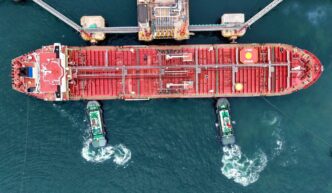
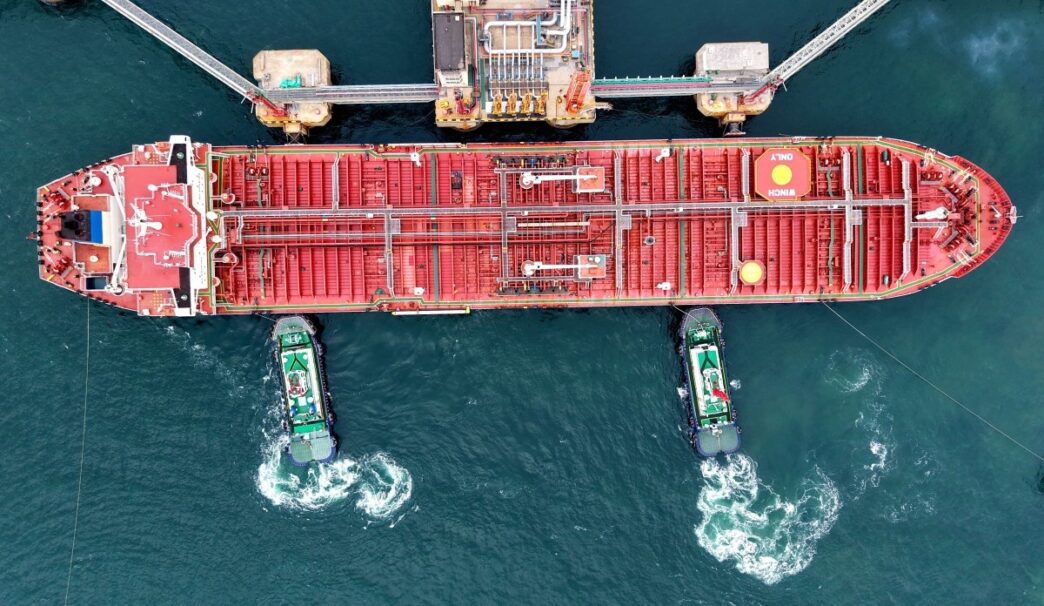
Oil prices tumbled again on Thursday after United States President Donald Trump and Iranian President agreed to a deal to end their months-long conflict and reopen the Strait of Hormuz, easing concerns over disruptions to global energy supplies.
The agreement boosted expectations of a sustained peace between Washington and Tehran after more than three months of war that had unsettled energy markets and contributed to renewed inflationary pressures.
Trump signed the memorandum of understanding in Versailles following the G7 summit, confirming the agreement to reporters. Iran’s Foreign Ministry spokesman Esmaeil Baqaei also said the document had been completed with the signatures of both presidents.
Read More : UNGA: Lavrov Offers Help in Gulf, Slams Europe
Attention has now shifted to the Strait of Hormuz, a key global oil route through which about one-fifth of the world’s oil supply normally passes. Tehran had effectively shut the waterway after the United States and Israel launched military operations against Iran on February 28.
Pakistan’s Prime Minister Shehbaz Sharif, whose officials helped mediate the agreement, said on X (formerly Twitter) that Iran would immediately reopen the strait while the United States would lift its naval blockade.
I am honoured to announce that the historic ‘Islamabad Memorandum of Understanding’ has been electronically signed today between the United States of America and the Islamic Republic of Iran. The Memorandum has been signed by honourable Presidents of both the countries and also…
— Shehbaz Sharif (@CMShehbaz) June 18, 2026
“As a first step, Islamic Republic of Iran will instantly reopen the Strait of Hormuz and the United States of America will immediately lift the naval blockade,” Sharif said.
Under the deal, Washington is expected to suspend oil sanctions and support the release of a $300 billion reconstruction fund, while Tehran has agreed to reduce its enriched uranium stockpile as negotiations continue towards a broader agreement.
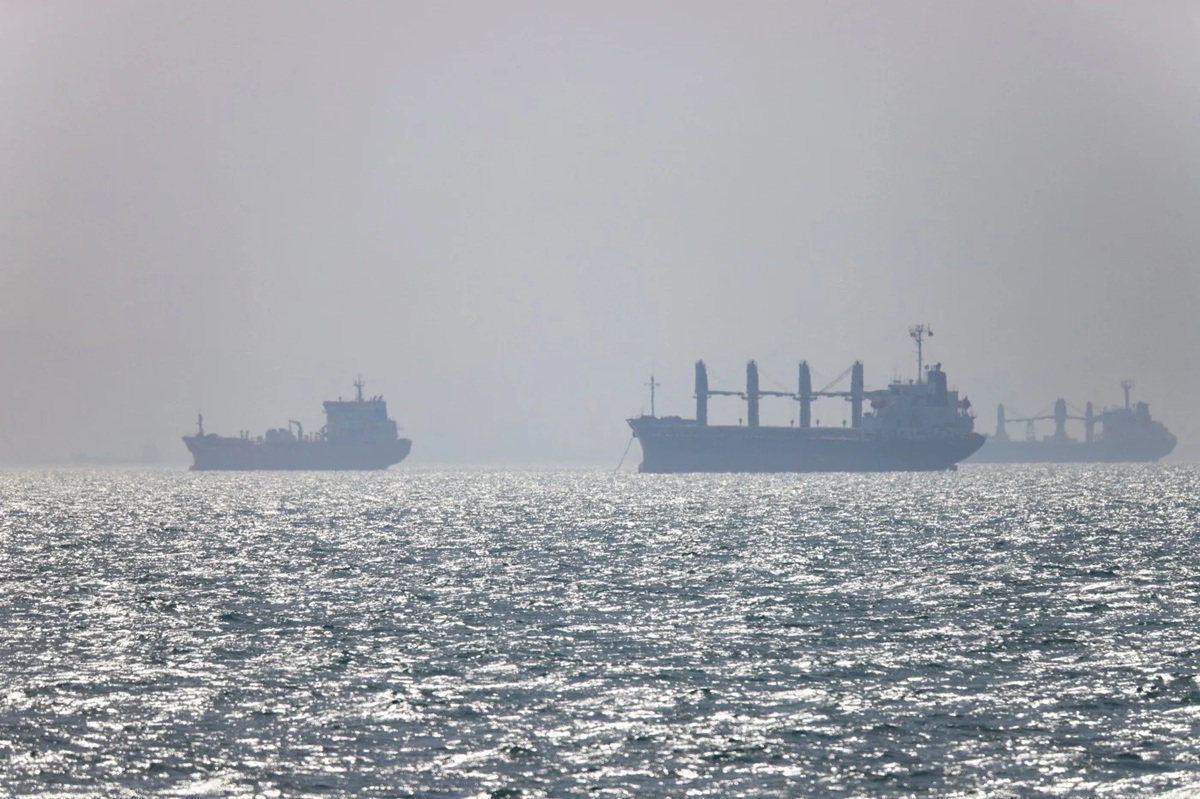
Crude prices dropped more than three per cent on Thursday, extending losses recorded since news of the agreement emerged over the weekend. Both major oil benchmarks have fallen more than 15 per cent since last week as traders priced in the possibility of reduced geopolitical risks.
Meanwhile, global stock markets recorded mixed performances as investors assessed the impact of the oil price decline and signals from the US Federal Reserve on future interest rates.
South Korea led gains in Asian markets, with its benchmark index crossing 9,000 points for the first time, supported by strong performances from chipmakers Samsung and SK hynix as artificial intelligence demand grows.
Analysts said South Korea’s dominance in the global memory chip market, with semiconductors accounting for a significant share of its industrial output, had strengthened investor confidence.
Other Asian markets, including Tokyo, Singapore, Taipei, Mumbai and Manila, also recorded gains, while Hong Kong, Shanghai, Sydney, Wellington, Bangkok and Jakarta closed lower. European markets were mixed, with London declining while Paris and Frankfurt advanced.
The market moves came after the US Federal Reserve maintained interest rates at its latest policy meeting but signalled that further increases could be possible within the next six months.
The meeting marked the first policy gathering under new Fed Chair Kevin Warsh, who acknowledged that prolonged high prices remained a burden for Americans but pledged to restore price stability.
Key figures around 0810 GMT
West Texas Intermediate: DOWN 2.4 percent at $74.98 a barrel
Brent North Sea Crude: DOWN 2.2 percent at $77.83 a barrel
Tokyo – Nikkei 225: UP 1.7 percent at 71,053.49 (close)
Hong Kong – Hang Seng Index: DOWN 1.6 percent at 23,924.81 (close)
Shanghai – Composite: DOWN 0.4 percent at 4,090.48 (close)
London – FTSE 100: DOWN 0.6 percent at 10,450.60
Euro/dollar: UP at $1.1516 from $1.1494 on Wednesday
Pound/dollar: UP at $1.3302 from $1.3282
Read More : Trump Rejects Iran Proposal To Reopen Hormuz
Dollar/yen: DOWN at 160.60 yen from 160.71 yen
Euro/pound: UP at 86.58 pence from 86.53 pence
New York – Dow: DOWN 1.0 percent at 51,492.55 (close)