Trending
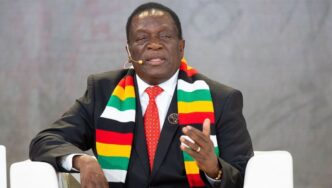
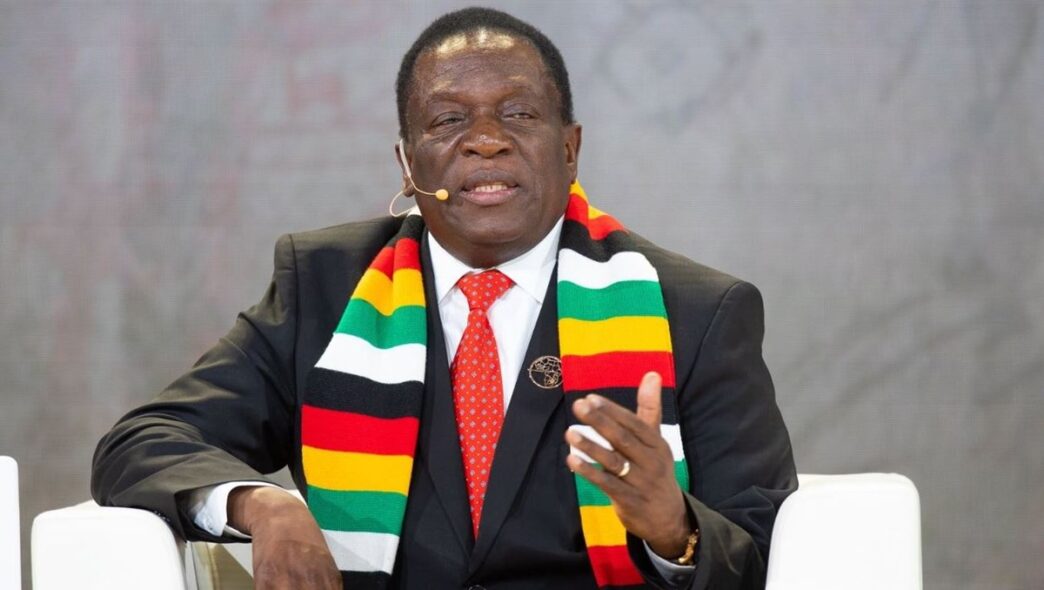
Zimbabwe’s lower house of parliament has approved a constitutional amendment bill that would extend presidential and parliamentary terms from five to seven years, potentially allowing President Emmerson Mnangagwa to remain in office until 2030.
More than 200 lawmakers voted in support of the legislation on Thursday, comfortably exceeding the two-thirds majority required to amend the constitution. Forty-two lawmakers voted against the proposal.
The bill, which now moves to the Senate for consideration, also proposes ending direct presidential elections and replacing them with a system under which parliament would elect future presidents.
Mnangagwa, who came to power in 2017 after the military-backed removal of Robert Mugabe, later secured victories in the 2018 and 2023 presidential elections, both of which were disputed by opposition groups.
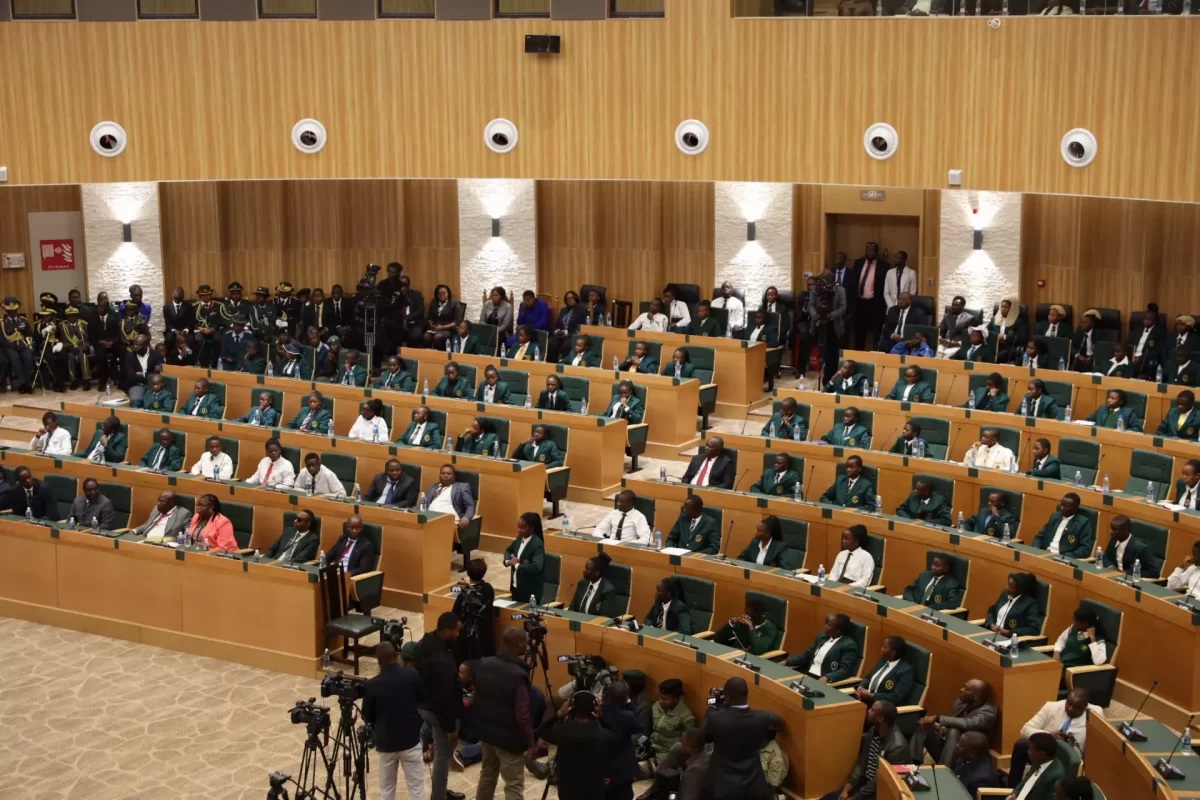
If approved by the Senate and signed into law, the amendment would postpone the next presidential and parliamentary elections from 2028 to 2030 and allow Mnangagwa to remain in office beyond the end of his current term, which is due to expire in 2028.
The legislation forms part of a broader effort by the ruling Zimbabwe African National Union-Patriotic Front (Zanu-PF) to revise the constitution and extend the tenure of elected officials. The proposal received cabinet approval earlier this year.
Opposition parties, civil society organisations and constitutional experts have criticised the move, arguing that such far-reaching constitutional changes should be subjected to a national referendum rather than being approved solely by parliament.
Critics have also pointed to provisions in Zimbabwe’s 2013 constitution, which limit presidents to two terms and require voter approval through a referendum for any extension of term limits.
Supporters of the bill, however, argue that the changes are necessary to ensure political continuity and stability.
The development comes after Zimbabwe’s Constitutional Court on Wednesday dismissed a legal challenge seeking to halt the bill’s passage.