Trending
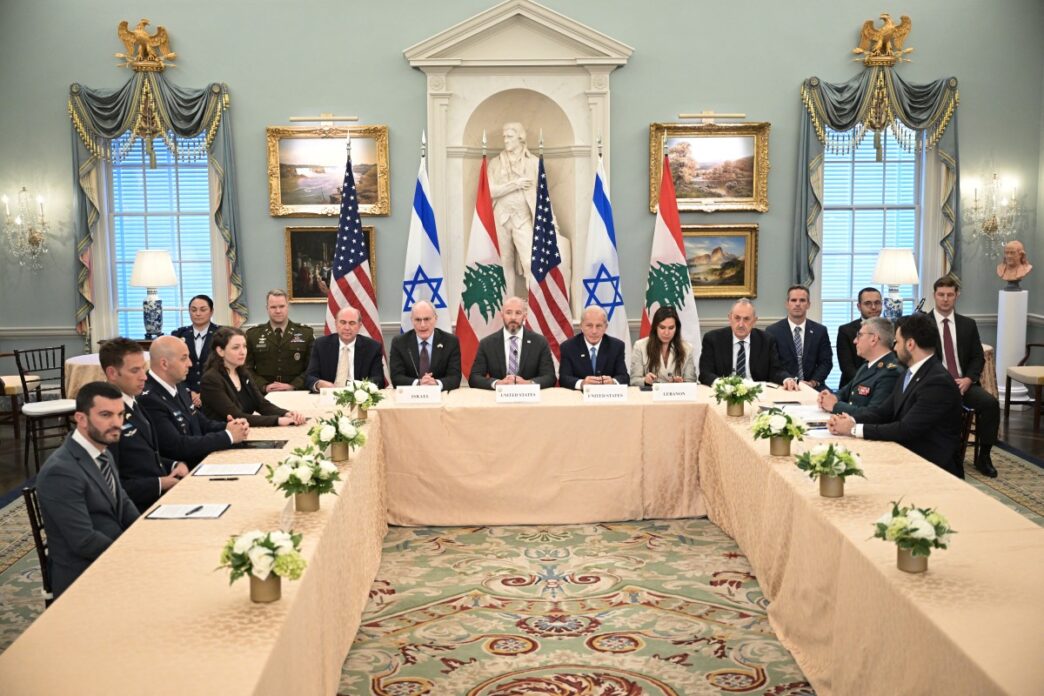
Israel and Hezbollah have agreed to a ceasefire following days of renewed deadly exchanges in Lebanon, a US official said on Friday, marking a tentative attempt to stabilise a conflict that has repeatedly threatened wider regional escalation.
According to the official, the truce began at 4 pm local time (1300 GMT) and was brokered through mediation led by the United States and Qatar, following consultations involving Israel and Iran.
The official spoke to AFP on condition of anonymity. A Gulf diplomat separately confirmed the ceasefire agreement.
The announcement comes after intense clashes in Lebanon that placed fresh strain on diplomatic efforts to end the broader Middle East conflict. The violence also followed the postponement of planned talks in Switzerland, which were expected to include US Vice President JD Vance.
US President Donald Trump has recently increased pressure on regional actors, including Israel, a key US ally.
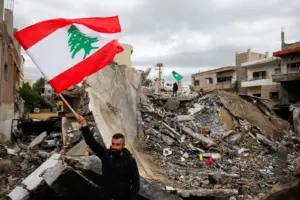
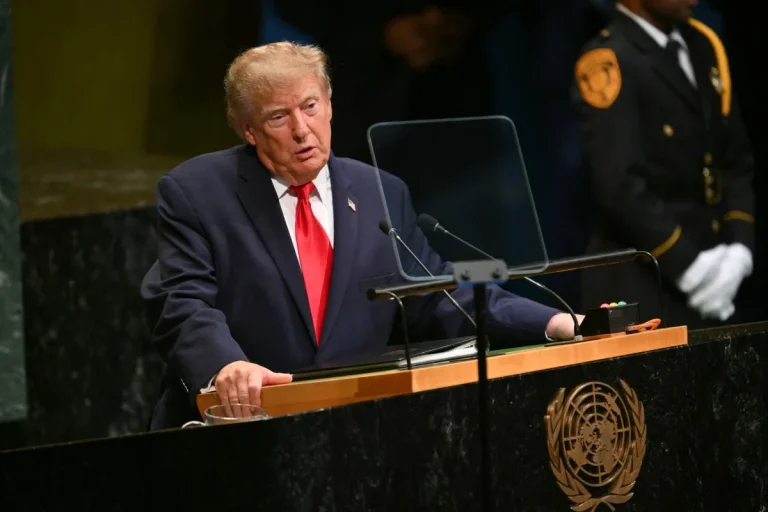
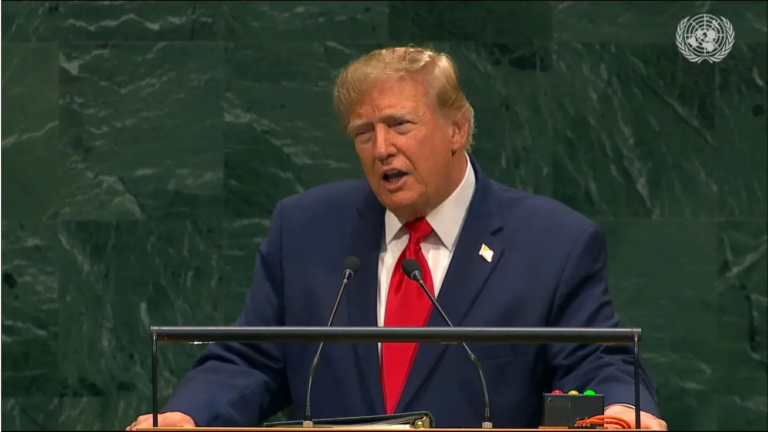
“When two drones are shot into the desert and drop harmlessly, you don’t have to knock down buildings in Beirut. They could behave better, and frankly they could do a better job,” Trump said at the G7 summit in France, criticising the scale of Israeli strikes in Lebanon.
Trump also issued a broader call for de-escalation, urging a “complete ceasefire on all fronts” including Israel, as civilian casualties in Lebanon mount.
Vice President Vance, meanwhile, sharply criticised Israeli hardline ministers for opposing elements of the Iran-related diplomatic track.
“Wake up and smell the reality,” he told them, adding: “Donald J. Trump is the only head of state in the entire world who is sympathetic to the nation of Israel at this moment in time.”
Separately, Trump defended ongoing negotiations with Iran amid criticism that the deal grants sanctions relief. Writing on Truth Social, he said: “We didn’t meet out of desperation, Iran did,” and insisted Tehran was “diminished.”
He added that the US would “play out the 60 days” allocated for negotiations toward a long-term agreement, while dismissing critics who argue the deal concedes too much to Tehran.