Trending
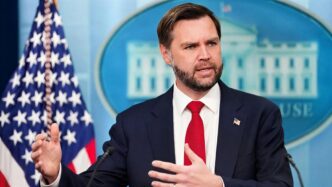
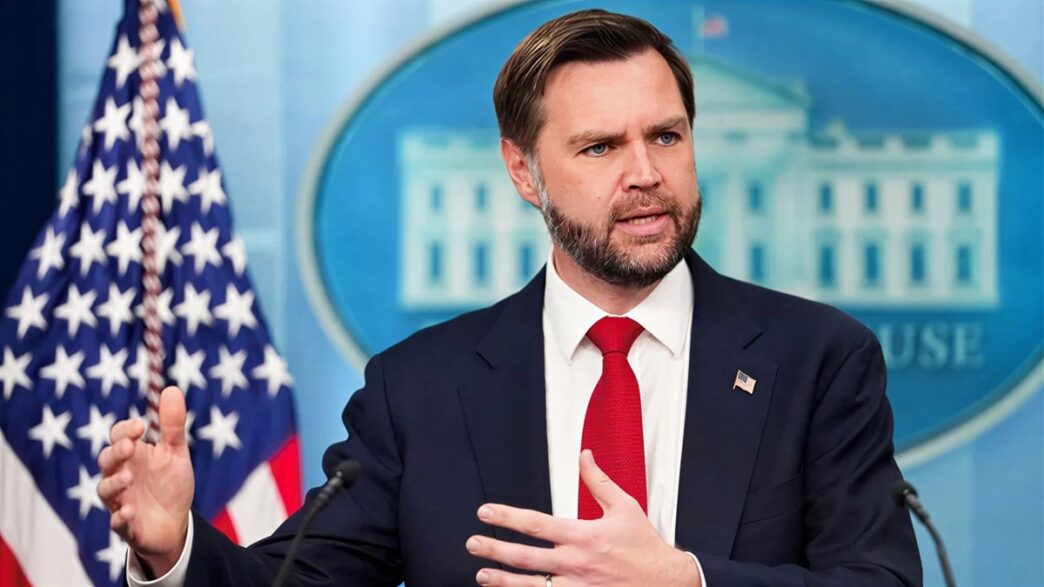
A scheduled round of direct talks between the United States and Iran in Switzerland has been postponed after US Vice-President JD Vance delayed his planned trip to the country.
The White House announced late Thursday that Vance would no longer attend the meeting, citing logistical challenges and saying arrangements for the talks had not been straightforward.
Hours before the White House issued its statement, Hezbollah-linked Lebanese media reported that the talks had been suspended due to ongoing Israeli air strikes.
Read More : Makinde Rejects Wike’s N50 Billion Airport Claim
The development comes just days after Washington and Tehran signed a memorandum of understanding to end their conflict and pave the way for broader negotiations.
The talks, which were expected to take place at the Burgenstock resort in Switzerland, were intended to focus on implementing the agreement and discussing longer-term issues, including Iran’s nuclear programme.
Swiss authorities later confirmed the meeting had been postponed, although preparations for future negotiations were continuing.
The agreement signed earlier this week includes provisions for reopening the Strait of Hormuz, easing US sanctions on Iran, supporting a reconstruction programme estimated at $300 billion and pursuing a final settlement within 60 days, subject to extension by mutual consent.
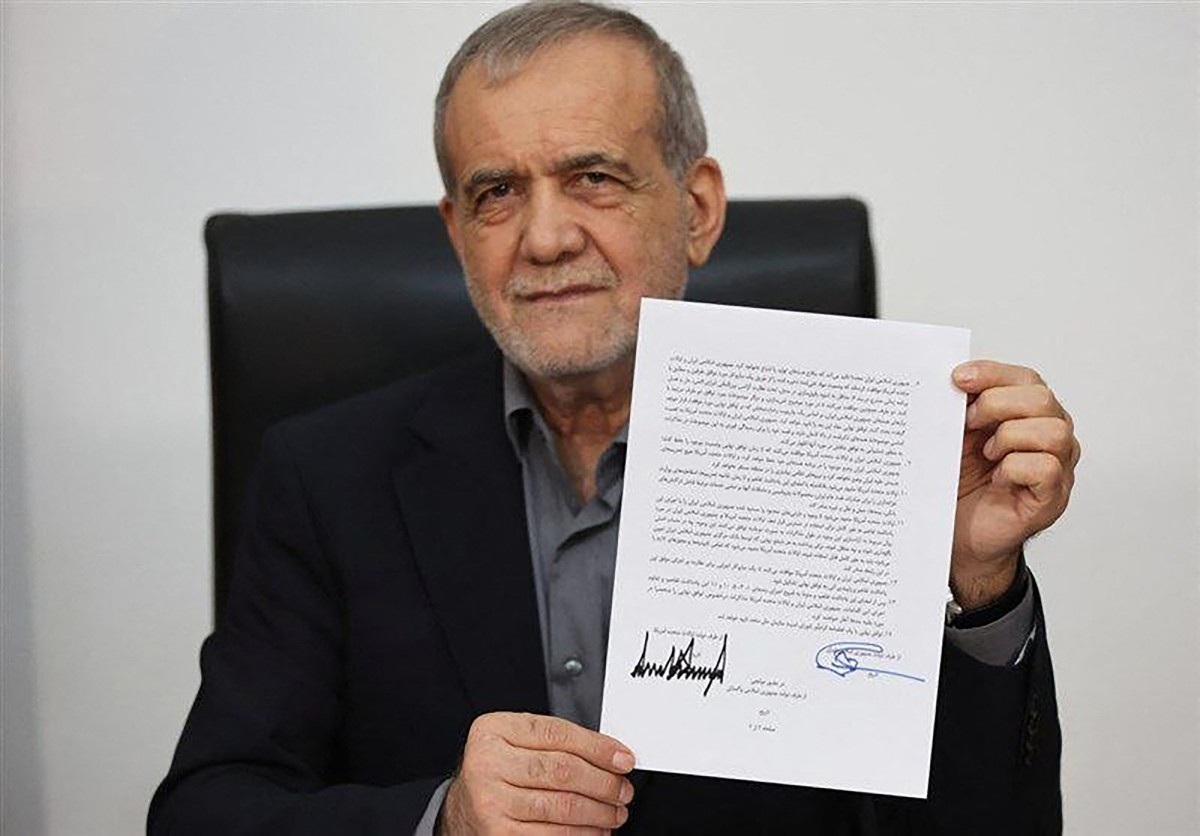
Iran’s Supreme Leader, Mojtaba Khamenei, said he had approved the deal despite reservations, arguing that the United States had used considerable pressure to secure the agreement. He added that future face-to-face negotiations with Washington would not necessarily mean Tehran accepted the American position.
The postponement comes as violence in Lebanon heightens, despite expectations that the agreement would help ease tensions across the region.
Lebanon’s health ministry reported that overnight Israeli strikes in southern Lebanon killed at least 18 people and injured dozens more. Lebanese state media described the attacks as among the heaviest since the conflict began.
The Israeli military said it targeted infrastructure and operatives linked to Hezbollah and confirmed that four Israeli soldiers were killed in separate incidents.
Israeli National Security Minister Itamar Ben-Gvir reacted to the deaths by calling for a stronger military response, insisting that Israel’s security interests could not be compromised.
Earlier, Vance had criticised some members of Israeli Prime Minister Benjamin Netanyahu’s government for opposing the agreement, arguing that Israeli officials needed to recognise the new reality created by the deal.
Lebanon became involved in the broader conflict after Hezbollah launched attacks against Israel following the outbreak of hostilities between Iran, Israel and the United States. Israel subsequently expanded military operations into Lebanon, saying the objective was to push Hezbollah fighters away from its northern border.
According to Lebanese authorities, more than 3,900 people have been killed in Israeli attacks since the conflict escalated, while Israeli officials say at least 30 soldiers and four civilians have died on both sides of the border during the same period.